Hair Growth Deficiency Analyzer
Select your symptoms and habits, then click "Analyze" to see which nutrients may be missing.
You stare in the mirror. The part in your hair looks wider than it did last month. Your shower drain is clogged with strands that refuse to stay on your head. You’ve tried the expensive shampoos, the essential oils, and maybe even a few DIY masks made from kitchen ingredients. Nothing seems to work. So, you turn to the supplement aisle, hoping a pill or two will fix the problem overnight.
Here is the hard truth: no vitamin makes hair grow "fast" in the sense of an overnight miracle. Hair grows at a biological pace of about half an inch per month. However, if your body is starving for specific nutrients, that growth stops entirely. In those cases, replenishing those nutrients can restart the cycle, making your hair appear to grow faster because it’s finally doing what it was supposed to do all along.
The key isn’t just taking random vitamins. It’s identifying which specific deficiencies are holding your hair back. Let’s look at the actual science behind which vitamins and minerals matter most for hair density and length.
The Big Three: Biotin, Vitamin D, and Iron
When people talk about hair vitamins, three names always come up first. They aren’t magic bullets, but they are the foundation of healthy follicles.
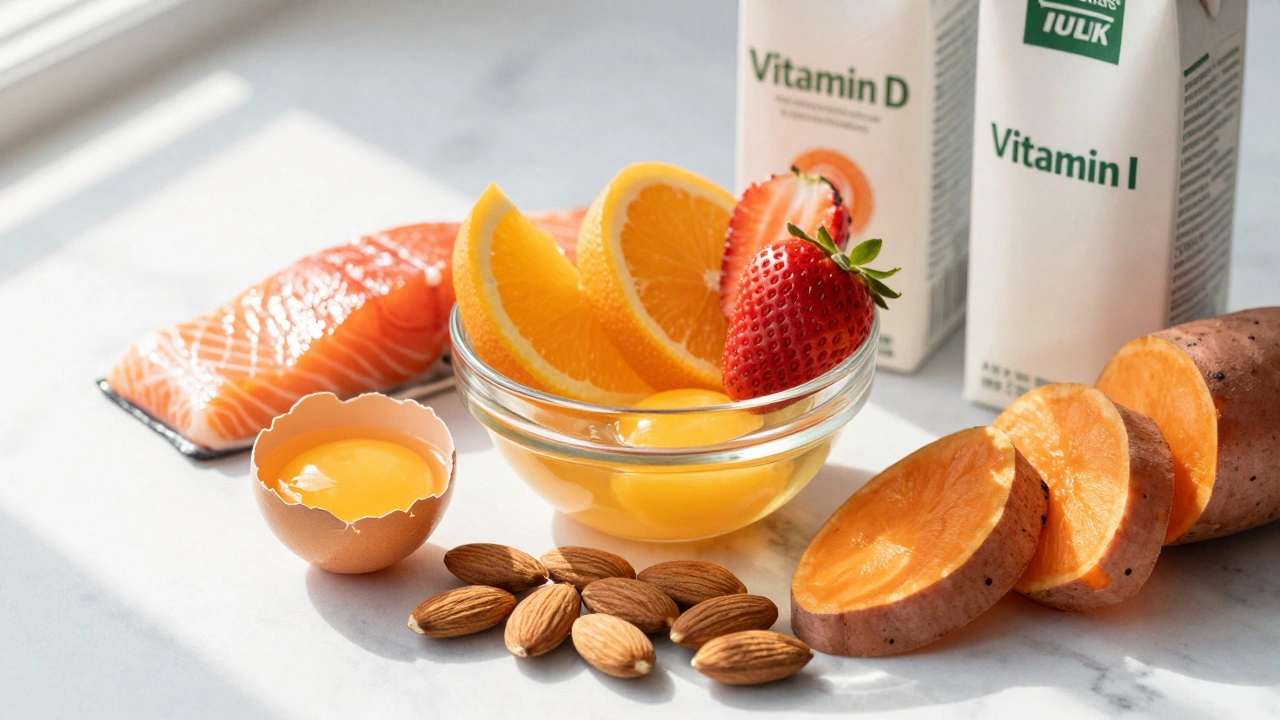
Biotin (Vitamin B7) is the most famous hair supplement, often called the beauty vitamin. It helps produce keratin, the protein that makes up your hair shaft. If you have a true biotin deficiency, your hair will become brittle and thin. But here’s the catch: true biotin deficiency is rare in people who eat a balanced diet. Most people get enough from eggs, nuts, and salmon. Taking extra biotin won’t make your hair grow faster if you’re already getting enough. In fact, high doses of biotin can interfere with lab tests for thyroid and heart conditions, so don’t just pop mega-doses without reason.
Then there is Vitamin D, which acts as a hormone-like regulator that helps create new hair follicles. Research has shown a strong link between low Vitamin D levels and alopecia (hair loss). Think of Vitamin D as the signal that tells your scalp to start growing new hairs. Without it, the follicles stay dormant. Since many adults are deficient in Vitamin D due to lack of sun exposure, this is often the missing piece of the puzzle. A simple blood test can tell you if you need a supplement, usually ranging from 1,000 to 4,000 IU daily depending on your levels.
Last but not least is Iron, specifically ferritin, the stored form of iron in your body. Iron carries oxygen to your cells, including your hair follicles. If your ferritin levels drop below 30-50 ng/mL, your body prioritizes vital organs over hair growth, causing shedding. This is incredibly common in women, especially those with heavy periods. Supplementing iron only helps if you are actually deficient. Too much iron is toxic, so never self-prescribe high-dose iron without a blood test confirming low levels.
The Supporting Cast: Zinc, Selenium, and Vitamin C
While the big three get the spotlight, other micronutrients play critical roles in maintaining the health of the hair shaft and scalp environment.
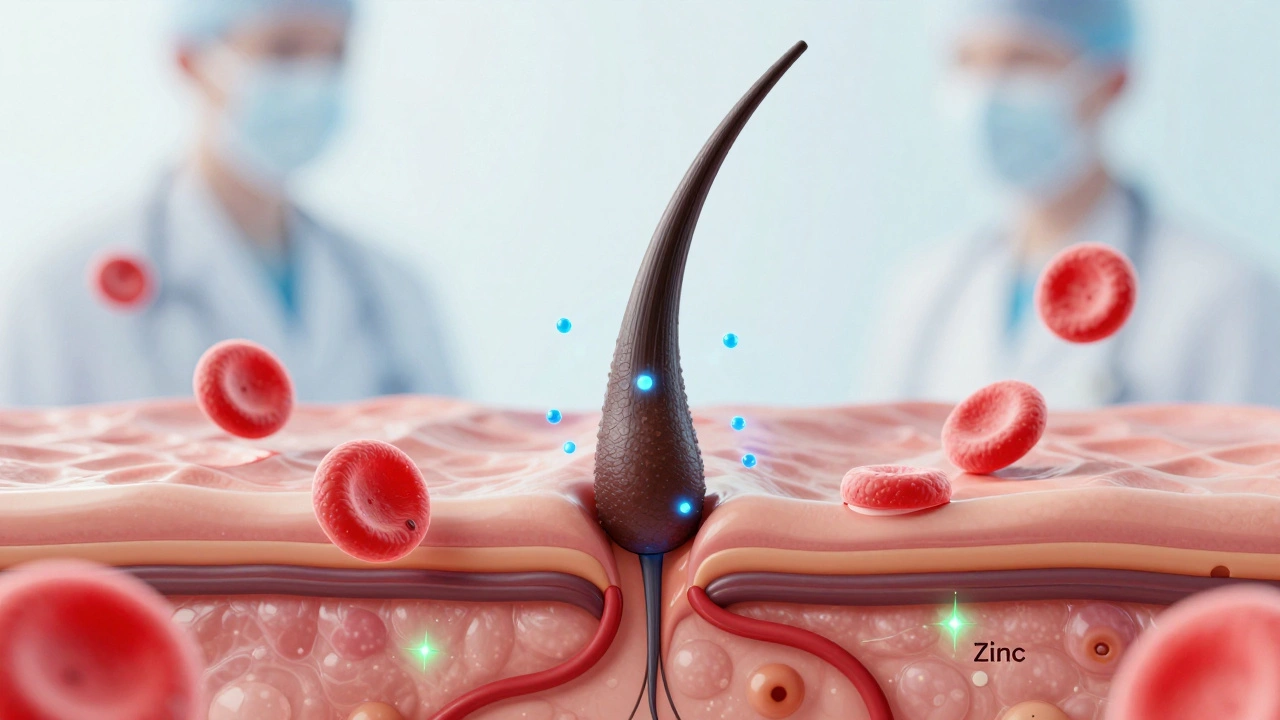
Zinc is essential for DNA and RNA synthesis, which drives cell division in hair follicles. Zinc also helps keep the oil glands around the follicles working properly. If these glands get blocked, hair growth can be inhibited. A deficiency in zinc leads to hair shedding and a dull appearance. Good sources include oysters, beef, and pumpkin seeds. Most multivitamins contain zinc, but avoid taking more than 40mg a day, as excessive zinc can actually cause hair loss by interfering with copper absorption.
Selenium works alongside antioxidants to protect hair follicles from oxidative stress. Oxidative stress damages the DNA in hair cells, leading to premature aging and thinning. Brazil nuts are incredibly rich in selenium-just one or two nuts a day provide your entire daily requirement. More than that can lead to toxicity, which ironically causes hair loss. Balance is everything here.
Vitamin C does two things: it helps your body absorb iron and produces collagen. Collagen is a structural protein that strengthens hair. If you are taking an iron supplement, take it with Vitamin C to maximize absorption. Citrus fruits, bell peppers, and strawberries are great sources. Without enough Vitamin C, your hair may become dry and brittle, breaking off before it can grow long.
Why Multivitamins Often Fail
You might be thinking, "I’ll just buy a comprehensive hair, skin, and nails gummy." These products are popular, but they often fail for a few reasons. First, the dosages are usually too low to correct a clinical deficiency. Second, sugar content in gummies can promote inflammation, which is bad for hair. Third, they rarely address the root cause.
Hair loss is complex. It can be genetic (androgenetic alopecia), hormonal (thyroid issues, PCOS), or stress-related (telogen effluvium). No amount of biotin will stop male pattern baldness caused by genetics. No vitamin will fix hair loss caused by severe emotional trauma immediately; that type of shedding takes months to resolve on its own once the stressor is removed.
If you want results, you need data. Go to your doctor and ask for a panel that checks:
- Ferritin (Iron stores)
- Vitamin D (25-hydroxyvitamin D)
- Thyroid function (TSH, T3, T4)
- Zinc levels
This approach saves you money on useless supplements and targets the actual problem.
Natural Sources vs. Pills
Your body absorbs nutrients better from whole foods than from isolated pills. Food provides a matrix of cofactors that help digestion and absorption. Here is a quick guide to food sources for the key hair-building nutrients:
| Nutrient | Top Food Sources | Key Benefit |
|---|---|---|
| Biotin | Egg yolks, almonds, sweet potatoes | Keratin production |
| Vitamin D | Fatty fish (salmon, mackerel), fortified milk | Follicle activation |
| Iron | Red meat, spinach, lentils | Oxygen delivery to follicles |
| Zinc | Oysters, pumpkin seeds, beef | Cell repair and oil gland function |
| Vitamin C | Oranges, bell peppers, broccoli | Collagen synthesis and iron absorption |
Incorporating these foods into your daily diet is safer and more sustainable than relying on supplements alone. For example, swapping white rice for quinoa gives you more iron and zinc. Adding a handful of walnuts to your oatmeal provides biotin and omega-3 fatty acids, which reduce scalp inflammation.
The Role of Herbal Supplements
Since we are discussing herbal supplements, it’s worth mentioning herbs that support hair health through different mechanisms. While vitamins address nutritional gaps, herbs often target circulation and hormonal balance.
Saw Palmetto is an herb commonly used to block DHT, the hormone responsible for genetic hair loss. Some studies suggest it can be as effective as finasteride for some men, though the evidence is mixed. It works by inhibiting the enzyme 5-alpha-reductase.
Green Tea Extract contains catechins that may stimulate hair growth and inhibit DHT. Topical application of green tea extract has shown promise in studies for increasing hair density.
Rosemary Oil is shown in some clinical trials to be as effective as minoxidil for treating androgenetic alopecia, with less scalp itching as a side effect. It works by improving blood circulation to the scalp.
These herbal options are powerful, but they interact with medications. Always consult a healthcare provider before starting herbal regimens, especially if you are on blood thinners or hormonal treatments.

Pitfalls to Avoid
In your quest for thicker hair, avoid these common mistakes:
- Over-supplementing: More is not better. Fat-soluble vitamins like A and E can build up to toxic levels, causing hair loss.
- Ignoring Scalp Health: A flaky, inflamed scalp cannot support healthy hair growth. Treat dandruff and psoriasis first.
- Expecting Overnight Results: Hair growth cycles are slow. It takes 3-6 months to see visible changes from any intervention.
- Skipping Protein: Hair is made of protein. If you aren’t eating enough protein, no vitamin will save your hair. Aim for 0.8 grams of protein per kilogram of body weight.
Next Steps for Your Hair Journey
Start by evaluating your diet. Are you eating enough colorful vegetables, lean proteins, and healthy fats? If yes, consider getting blood work done to check for hidden deficiencies in Vitamin D, Ferritin, and Zinc. Based on those results, choose targeted supplements rather than broad-spectrum multivitamins. Be patient. Consistency is the real secret to hair growth.
How long does it take for hair vitamins to work?
It typically takes 3 to 6 months to see noticeable results from hair vitamins. Hair grows slowly, and it takes time for new, healthier hair to push out the old, damaged strands. If you don't see changes after six months of consistent use, the vitamins may not be addressing the root cause of your hair loss.
Can biotin cause hair loss?
Biotin itself does not cause hair loss. However, stopping high-dose biotin abruptly can sometimes lead to temporary shedding as your body adjusts. Also, excessive biotin can interfere with lab tests, leading to misdiagnoses of other conditions that might cause hair loss.
Is it better to get vitamins from food or supplements?
Food is generally better because nutrients are absorbed more efficiently and come with beneficial cofactors. Supplements are useful when you have a diagnosed deficiency or dietary restrictions that make it hard to get enough nutrients from food alone.
What is the best vitamin for thinning hair in women?
For women, iron (ferritin) and Vitamin D are often the most critical. Low iron is a leading cause of hair shedding in women, especially during menstruation. Vitamin D deficiency is also very common and linked to alopecia. Check these levels first before trying other supplements.
Do hair growth supplements have side effects?
Yes, they can. High doses of Vitamin A can cause hair loss. Excessive zinc can lead to copper deficiency, nausea, and immune system issues. Biotin can interfere with medical lab tests. Always follow recommended dosages and consult a doctor before starting new supplements.