Metformin vs. OTC Alternatives Comparison Tool
Select your current health status and priorities to see which option might be most suitable.
Key Considerations for Your Selection
Select your profile details and click "Analyze Options" to compare treatments.
You have been taking Metformin is a prescription medication used to treat type 2 diabetes by lowering blood sugar levels and improving insulin sensitivity. for years. It works well, but maybe you are tired of the side effects like stomach upset, or perhaps you want to try a more "natural" approach before committing to lifelong pharmaceuticals. The question on your mind is simple: Is there an over-the-counter (OTC) substitute that does the same job?
The short answer is no. There is no single pill you can buy at a pharmacy without a prescription that perfectly replicates the clinical efficacy, safety profile, and regulatory approval of metformin. However, there are several OTC compounds that share similar mechanisms of action. They may help manage blood sugar levels, improve insulin sensitivity, or support metabolic health, but they come with different strengths, risks, and limitations.
Understanding How Metformin Works
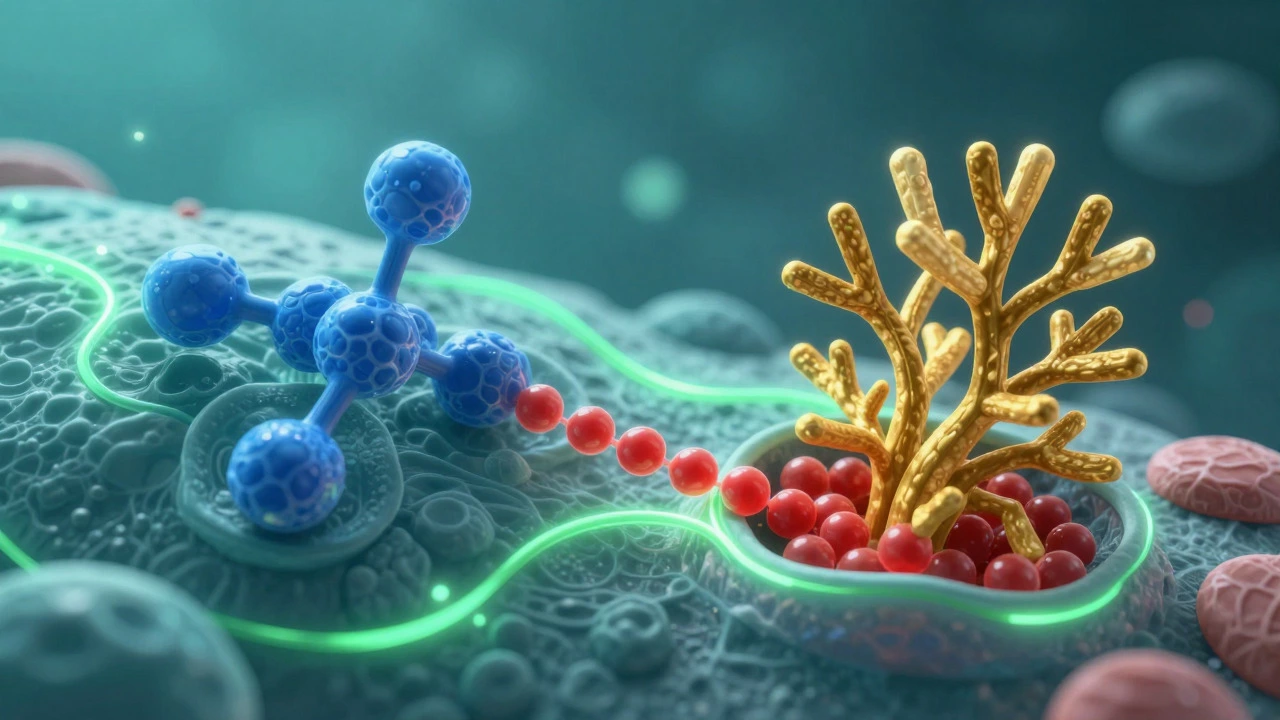
Before looking for a replacement, you need to understand what you are replacing. Metformin belongs to a class of drugs called Biguanides is a class of antidiabetic medications that work primarily by decreasing hepatic glucose production and increasing peripheral insulin sensitivity.. Its primary mechanism involves activating an enzyme called AMP-activated protein kinase (AMPK). Think of AMPK as your body's energy sensor. When it is activated, your liver stops producing excess glucose, and your muscles become better at absorbing the sugar already in your bloodstream.
This dual action makes metformin unique. Most other diabetes medications focus on either stimulating insulin release or blocking glucose absorption in the gut. Metformin addresses the root cause of insulin resistance in many patients. Any OTC alternative you consider should ideally mimic this AMPK activation or significantly enhance insulin sensitivity.
Berberine: The Closest Natural Analog
If you ask functional medicine practitioners or naturopaths for the closest thing to metformin, they will almost always point to Berberine is a bioactive compound extracted from plants such as goldenseal, barberry, and Oregon grape, known for its ability to lower blood sugar and cholesterol.. Berberine is a yellow-colored alkaloid found in several plants, including goldenseal, barberry, and Oregon grape.
Why is berberine so highly regarded? Because it activates AMPK, just like metformin does. A landmark study published in the Journal of Ethnopharmacology compared berberine directly against metformin. The results showed that berberine was effective in lowering fasting blood glucose and HbA1c levels in patients with type 2 diabetes, performing comparably to the prescription drug in some metrics.
- Mechanism: Activates AMPK, reduces liver glucose output, improves intestinal glucose metabolism.
- Dosage: Typically 500 mg taken two to three times daily, usually with meals to reduce gastrointestinal distress.
- Efficacy: Can lower HbA1c by approximately 0.5% to 1.0% over several months.
- Side Effects: Gastrointestinal issues like diarrhea, constipation, and gas are common, mirroring metformin’s side effect profile.
However, there is a catch. Berberine has poor bioavailability, meaning your body struggles to absorb it efficiently. You must take it consistently, and even then, its effects may not be as potent or predictable as metformin. Furthermore, berberine interacts with many medications by affecting liver enzymes (CYP450 system), which can alter how your body processes other drugs.
Cinnamon: More Than Just a Spice
Cinnamon is a spice derived from the inner bark of trees in the genus Cinnamomum, studied for its potential to improve insulin sensitivity and lower blood sugar. is another popular OTC option. Specifically, Ceylon cinnamon (Cinnamomum verum) is preferred over Cassia cinnamon due to lower coumarin content, which can be toxic to the liver in high doses.
Cinnamon works by mimicking insulin and increasing insulin receptor sensitivity. Some studies suggest it can slow down the emptying of the stomach after meals, leading to a slower rise in blood sugar. While it is not as powerful as metformin or berberine, it is a safe addition for many people.
The evidence is mixed. Some meta-analyses show significant reductions in fasting blood glucose, while others find minimal benefit. If you choose to use cinnamon, aim for 1 to 6 grams per day, divided into smaller doses. It is best used as a supportive measure rather than a standalone replacement for prescription medication.
Alpha-Lipoic Acid and Chromium Picolinate
While not direct substitutes, these supplements play crucial roles in metabolic health. Alpha-Lipoic Acid (ALA) is a powerful antioxidant that helps reduce oxidative stress and may improve insulin sensitivity, particularly in those with diabetic neuropathy. is an antioxidant that your body produces naturally, but levels drop with age. ALA has been shown to improve insulin sensitivity and reduce symptoms of diabetic neuropathy (nerve damage).
Chromium Picolinate is a dietary supplement containing chromium, a trace mineral that enhances the action of insulin and helps regulate blood sugar levels. is a trace mineral that enhances the action of insulin. Studies on chromium are inconsistent, but some individuals with chromium deficiency see improvements in blood sugar control when supplemented. Typical doses range from 200 to 1,000 micrograms per day.
Comparison of OTC Options vs. Metformin
| Feature | Metformin | Berberine | Cinnamon | Alpha-Lipoic Acid |
|---|---|---|---|---|
| Prescription Required | Yes | No | No | No |
| Primary Mechanism | AMPK Activation | AMPK Activation | Insulin Mimicry | Antioxidant Support |
| HbA1c Reduction Potential | High (1.0% - 1.5%) | Moderate (0.5% - 1.0%) | Low (0.3% - 0.5%) | Minimal |
| Gastrointestinal Side Effects | Common | Common | Rare | Rare |
| Drug Interactions | Few | Many (CYP450) | Few | Some (Blood Thinners) |
| Regulatory Oversight | FDA Approved | Supplement (Less Strict) | Food/Supplement | Supplement |
Lifestyle Changes: The True Foundation
No supplement, whether OTC or prescription, can replace the power of lifestyle modification. In fact, many people seek OTC substitutes because they hope for a quick fix without changing their habits. This is a dangerous mindset. The most effective "substitute" for any medication is often a combination of diet and exercise.
Intermittent Fasting: Restricting eating windows can significantly improve insulin sensitivity. By giving your digestive system a break, you allow insulin levels to drop, making your cells more responsive to the hormone when you do eat.
Low-Carbohydrate Diet: Reducing intake of refined carbohydrates and sugars directly lowers the demand on your pancreas to produce insulin. Focus on whole foods, healthy fats, and lean proteins.
Resistance Training: Muscle tissue is a major consumer of glucose. Building muscle through strength training increases your body's capacity to store glucose, effectively acting as a buffer against high blood sugar spikes.

Risks of Self-Medicating
Switching from a prescribed medication to an OTC supplement without medical supervision carries risks. Here are the key pitfalls to avoid:
- Inconsistent Potency: Unlike pharmaceuticals, supplements are not strictly regulated for potency. One brand of berberine may contain 90% active ingredient, while another contains only 60%. This variability makes it hard to dose accurately.
- Delayed Diagnosis: Relying solely on supplements might mask worsening diabetes. Your HbA1c could be rising slowly while you feel fine, leading to long-term complications like nerve damage or kidney disease.
- Hypoglycemia: If you combine certain supplements with remaining doses of metformin or other diabetes medications, your blood sugar could drop too low (hypoglycemia), causing dizziness, confusion, or fainting.
- Liver Strain: Some herbal supplements, including high-dose green tea extract or kava, can stress the liver. Since the liver plays a central role in glucose metabolism, damaging it can worsen diabetes control.
When to Consider OTC Alternatives
OTC options might be appropriate in specific scenarios:
- Prediabetes: If you have elevated blood sugar but not yet diagnosed with type 2 diabetes, lifestyle changes combined with berberine or cinnamon may help prevent progression.
- Mild Insulin Resistance: For individuals with PCOS or mild metabolic syndrome, these supplements can support hormonal balance and glucose regulation.
- Adjunct Therapy: Using supplements alongside metformin under doctor supervision to enhance effects or mitigate side effects.
However, if you have established type 2 diabetes with an HbA1c above 7%, stopping metformin for an OTC substitute is rarely advisable without close medical monitoring. The risk of complications outweighs the potential benefits of unregulated supplements.
Consulting Your Healthcare Provider
Before making any changes, talk to your doctor. Bring up your interest in OTC alternatives. Ask questions like:
- "Can I trial berberine alongside my current medication?"
- "How often should we check my HbA1c if I switch to supplements?"
- "Are there any interactions between my current meds and cinnamon or chromium?"
Your doctor may agree to a supervised trial period. They might reduce your metformin dose gradually while introducing berberine, monitoring your blood sugar closely. This approach ensures safety while exploring natural options.
Is berberine safer than metformin?
Not necessarily. Both can cause gastrointestinal distress. Metformin has decades of safety data and is FDA-approved. Berberine is a supplement with less rigorous testing. While generally safe for most people, berberine has more drug interactions due to its effect on liver enzymes. Always consult a doctor before switching.
Can I stop taking metformin if I start taking berberine?
Do not stop abruptly. Stopping metformin suddenly can cause a rapid spike in blood sugar. Work with your healthcare provider to taper off metformin slowly while monitoring your blood glucose levels closely during the transition to berberine.
Does cinnamon really lower blood sugar?
Yes, but mildly. Studies show cinnamon can lower fasting blood glucose slightly, especially in people with prediabetes. It is not strong enough to replace prescription medication for diagnosed type 2 diabetes. Use it as a supportive aid, not a cure.
What are the side effects of berberine?
The most common side effects are gastrointestinal, including diarrhea, constipation, gas, and abdominal pain. These often subside after a few weeks. Berberine can also interact with blood thinners, blood pressure medications, and statins.
Are there any OTC substitutes for metformin that help with weight loss?
Berberine has been shown to promote modest weight loss by improving metabolic rate and reducing fat storage. However, the effect is gradual and less pronounced than newer prescription weight-loss drugs like GLP-1 agonists. Lifestyle changes remain the most effective tool for weight management.