Medical Tourism Hidden Cost Estimator
Procedure Details
Risk Factors & Insurance
Cost Analysis
Staying Local
Going Overseas
Net Financial Outcome
Important Consideration
Imagine saving 70% on a knee replacement surgery. You pack your bags, fly to a gleaming clinic in another country, and walk out with a new joint. It sounds like the perfect deal. But what happens when you land back home? What if the infection sets in three days later? Or worse, what if the hardware fails because it wasn't compatible with local standards?
We often hear about the financial benefits of medical tourism is the practice of traveling across international boundaries to obtain health care services. We see ads for affordable dental work in Mexico or heart surgery in India. But rarely do we talk about the hidden costs that aren't listed on the price tag. The reality is that chasing cheap healthcare can lead to serious consequences. Here are the three main negative impacts you need to understand before booking that flight.
1. Fragmented Continuity of Care
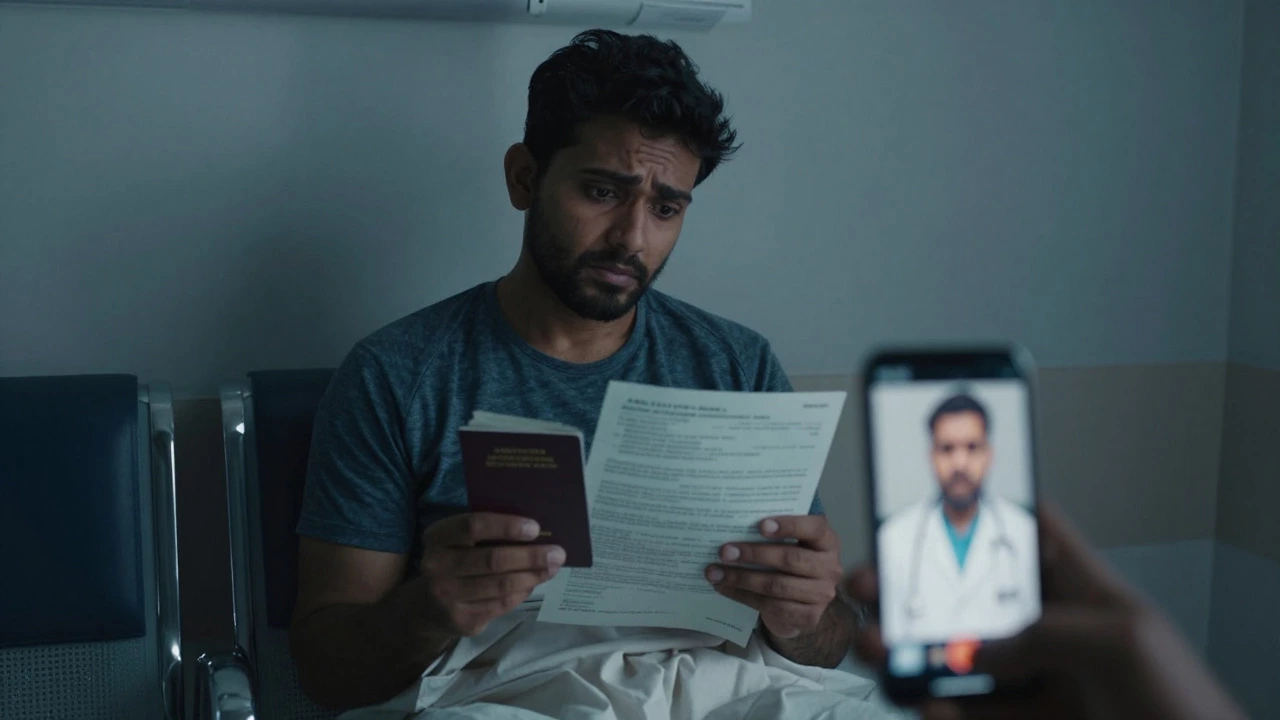
The biggest risk isn't just the surgery itself; it's what happens after you come home. In your home country, your primary care physician knows your history. They know your allergies, your blood pressure trends, and how you react to specific medications. When you get treated abroad, that chain is broken.
Consider this scenario: You have a complex procedure done overseas. The surgeon sends you home with a digital copy of your records. Sounds simple, right? Not always. Electronic Health Records (EHR) systems vary wildly between countries. A file format used in Thailand might not open properly in a hospital system in the United States or Canada. Even if the data transfers, the terminology might differ. A diagnosis code that means "minor inflammation" in one language might be interpreted as "severe infection" by a local doctor who doesn't speak the source language fluently.
This lack of continuity leads to dangerous gaps. If you develop a complication weeks later, your local ER doctor has to start from scratch. They don't know exactly which suture material was used. They don't know the precise dosage of antibiotics you were given during recovery. This delay in understanding your full medical context can turn a manageable issue into a life-threatening emergency. Studies show that patients who undergo elective surgery abroad have higher readmission rates within 30 days compared to those treated locally, largely due to these coordination failures.
- Lost Data: Physical records left behind or digital files that are incompatible.
- Communication Barriers: Local doctors may struggle to interpret foreign medical notes accurately.
- Lack of Follow-up: No established relationship with the surgeon for long-term monitoring.
2. Variable Quality Standards and Regulatory Gaps
Not all hospitals are created equal. While many facilities in popular medical tourism destinations are JCI-accredited (Joint Commission International), many others operate under looser regulations. In some countries, the regulatory body overseeing healthcare quality lacks the enforcement power seen in nations like the US, UK, or Germany.
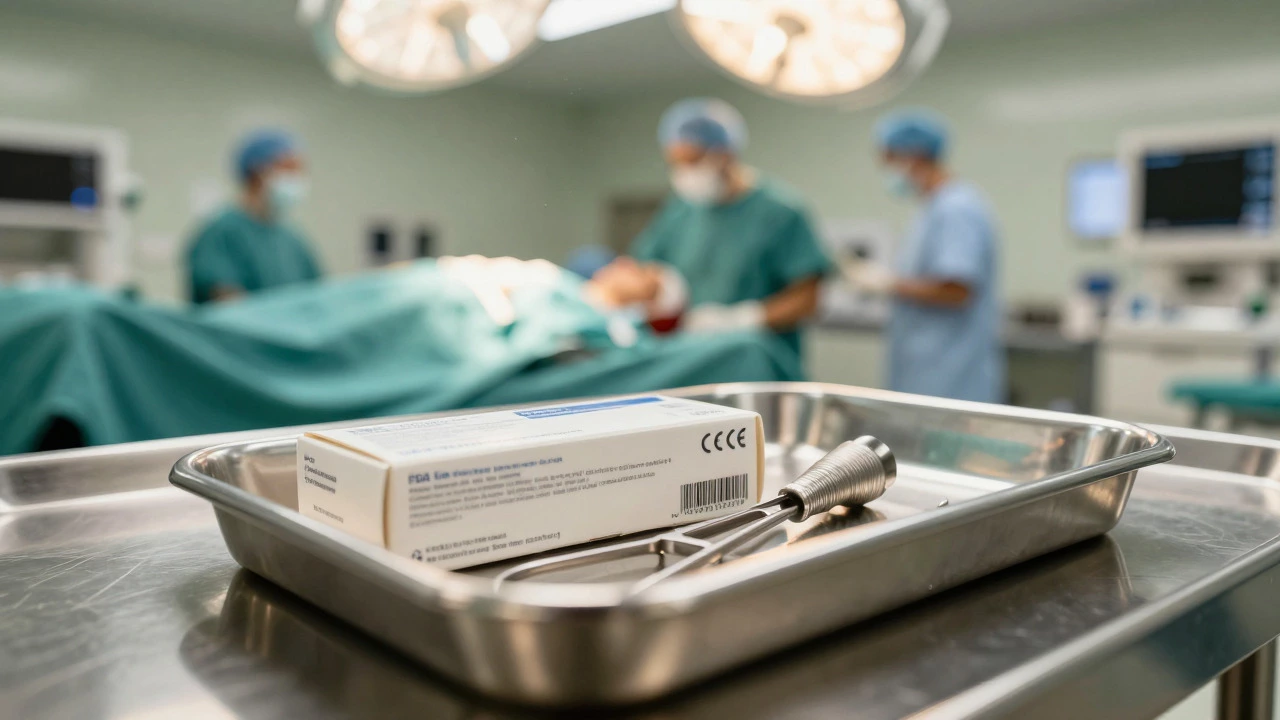
Think about sterilization protocols. In highly regulated environments, every surgical instrument goes through rigorous autoclaving processes monitored by strict logs. In less regulated settings, shortcuts can happen. A reused needle, a poorly cleaned operating room, or expired anesthesia gas-these aren't just theoretical risks; they are documented causes of post-surgical infections like MRSA (Methicillin-resistant Staphylococcus aureus).
Then there's the issue of medical devices. Implants such as hip joints, pacemakers, or breast implants must meet stringent safety standards. In the US, the FDA approves these devices after years of testing. In other markets, devices might be approved based on less rigorous trials or even imported without proper clearance. If an implant fails or causes an adverse reaction, replacing it becomes a nightmare. You might need a second surgery to remove the foreign device, but now you're dealing with scar tissue and potential rejection issues.
Furthermore, malpractice laws differ significantly. In many Western countries, doctors face high liability, which encourages adherence to best practices. In some medical tourism hubs, legal recourse for medical errors is limited or non-existent for foreign patients. If something goes wrong, you might find yourself with no clear path to compensation or accountability.
| Factor | High-Regulation Countries (e.g., US, UK) | Some Medical Tourism Destinations |
|---|---|---|
| Device Approval | FDA/CE Mark required; extensive clinical trials | Varying standards; sometimes faster approval paths |
| Infection Control | Strict mandatory protocols with regular audits | Protocols exist but enforcement varies |
| Malpractice Recourse | Strong legal framework for patient rights | Limited or difficult for foreign nationals |
| Record Keeping | Standardized EHR systems | Mixed digital/paper; varying formats |
3. Hidden Costs and Financial Traps
You go abroad to save money, but do you actually end up saving? The upfront cost of surgery might be half the price at home, but that's only part of the equation. When complications arise, the financial burden shifts entirely to you.
Let's say you fly to Turkey for hair transplant surgery. The procedure costs $2,000 instead of $8,000. Great savings, right? But then you develop a severe scalp infection. You need to stay in the hotel for two extra weeks while waiting for the wound to heal. That's hundreds of dollars in accommodation and food. Then you realize you need specialized antibiotics available only at the original clinic. You have to book a return flight. Now add the cost of seeing specialists back home to manage the aftermath.
Insurance adds another layer of complexity. Most domestic health insurance plans do not cover treatments received outside their network, especially if the treatment was elective. If you suffer a medical emergency unrelated to your surgery-like a heart attack or a car accident-while abroad, your coverage might be minimal. Many travelers underestimate the cost of comprehensive international travel insurance that includes medical evacuation. Without it, a single emergency can wipe out any savings from the cheaper surgery.
Additionally, consider the time off work. Recovery takes longer when you are managing travel fatigue and jet lag. Taking extra weeks off work without pay can offset the initial savings, especially for hourly workers or those without generous paid leave policies.

How to Mitigate These Risks
Avoiding these pitfalls requires more than just finding the cheapest quote. You need a strategic approach.
- Verify Accreditation: Look for hospitals accredited by internationally recognized bodies like JCI or ISO. Don't just trust the hospital's website; check the accrediting body's official directory.
- Plan for Follow-up: Before you leave, schedule an appointment with your primary care provider at home. Share your surgical plan with them so they know what to expect. Ask the foreign surgeon for detailed, translated operative reports.
- Check Device Origins: Ask specifically where your implants or devices are manufactured. Ensure they are approved by regulatory bodies in your home country.
- Buy Comprehensive Insurance: Get a policy that covers pre-existing conditions related to your surgery and includes medical evacuation. Read the fine print carefully.
- Consult a Second Opinion: Talk to a specialist in your home country about your condition. Understand the standard of care locally before deciding to travel.
Medical tourism can be a viable option for certain procedures, particularly cosmetic ones or routine check-ups. However, for complex surgeries, the risks of fragmented care, variable standards, and hidden costs are significant. Always weigh the potential savings against the potential for serious health and financial complications.
Is medical tourism safe for major surgeries?
Safety depends heavily on the facility's accreditation and the specific procedure. For major surgeries like heart bypass or organ transplants, the risks of fragmented care and complications are higher. It is generally safer to stick to accredited centers and ensure your local doctors are involved in your aftercare plan.
Does health insurance cover medical tourism?
Most domestic health insurance plans do not cover elective procedures performed abroad. Some may cover emergencies, but often with lower reimbursement rates. You usually need separate international travel insurance that explicitly includes medical evacuation and treatment coverage.
What should I do if I get infected after surgery abroad?
Seek immediate medical attention at a reputable hospital near your location. Contact your surgeon abroad for guidance, but prioritize local treatment. Keep all medical records and receipts, as you may need them for insurance claims or potential legal action, though legal recourse can be difficult.
Are implants used abroad different from those at home?
They can be. Some manufacturers sell different models in different markets with varying levels of testing. Always ask for the brand name and model number of any implant and verify its approval status with your home country's regulatory agency (like the FDA in the US).
How much extra should I budget for medical tourism?
You should budget at least 20-30% more than the quoted surgery cost to cover flights, accommodation, extended stays for recovery, local transportation, and potential complications. Do not rely solely on the surgical fee when calculating affordability.