
Metabolism & Body Composition Planner (55+)
- Squats — 3 × 10
- Lunges — 3 × 12 each leg
- Glute bridges — 3 × 15
- Push-ups — 3 × 8
- Row with dumbbell — 3 × 12
- Plank — 3 × 30 sec
- Goblet squat — 3 × 12
- Dumbbell press — 3 × 10
- Side plank — 2 × 20 sec each
- Easy 20-min walk
- Gentle stretching
- Quality sleep 7–9 hrs
Turning 55 often feels like your body is playing a different game. You eat the same salad you had at 30, but the scale doesn’t budge-or it goes up. This isn't just in your head. Your metabolic rate naturally slows down as you age, primarily due to a loss of muscle mass and changes in hormonal balance. But here’s the good news: this slowdown isn't fixed. With the right adjustments to your diet, movement, and lifestyle, you can reignite your engine and keep your energy levels high.
Why Your Metabolism Slows Down After 55
To fix the problem, you first need to understand what's happening under the hood. Metabolism is the process by which your body converts food into energy. As we age, several biological shifts occur that reduce how many calories you burn at rest. The biggest culprit is sarcopenia, the natural loss of skeletal muscle. Muscle tissue burns more calories than fat tissue, even when you are sitting still. By age 55, most adults have lost a significant portion of their peak muscle mass if they haven't been actively training.
Hormones play a huge role too. In women, menopause causes a drop in estrogen, which affects how the body stores fat, often shifting it toward the belly. In men, testosterone levels decline gradually, leading to reduced muscle retention and increased fat storage. These changes mean that "doing nothing" no longer works. You have to be intentional about maintaining your body composition.
The Power of Resistance Training
If you only change one thing, make it this: start lifting weights or doing resistance exercises. Cardio is great for your heart, but it does very little to build the muscle that drives your metabolism. Resistance training signals your body to hold onto muscle tissue and even grow new fibers. You don't need to become a bodybuilder. Simple movements like squats, lunges, push-ups, or using light dumbbells two to three times a week can make a massive difference.
- Squats: Engage your large leg muscles, which are metabolic powerhouses.
- Push-ups: Work your chest, shoulders, and core simultaneously.
- Planks: Strengthen your core stability without putting stress on your spine.
Aim for progressive overload. That means making the exercise slightly harder over time by adding a bit more weight or doing one more rep. This constant challenge keeps your muscles adapting and burning more energy.
Protein Is Your Best Friend
Muscle needs protein to repair and grow. If you aren't eating enough, your body will break down existing muscle for fuel, further slowing your metabolism. Many people over 55 don't get nearly enough protein in their daily diet. Aim for about 1.0 to 1.2 grams of protein per kilogram of body weight each day. For a person weighing 70 kg, that’s roughly 70 to 84 grams of protein daily.
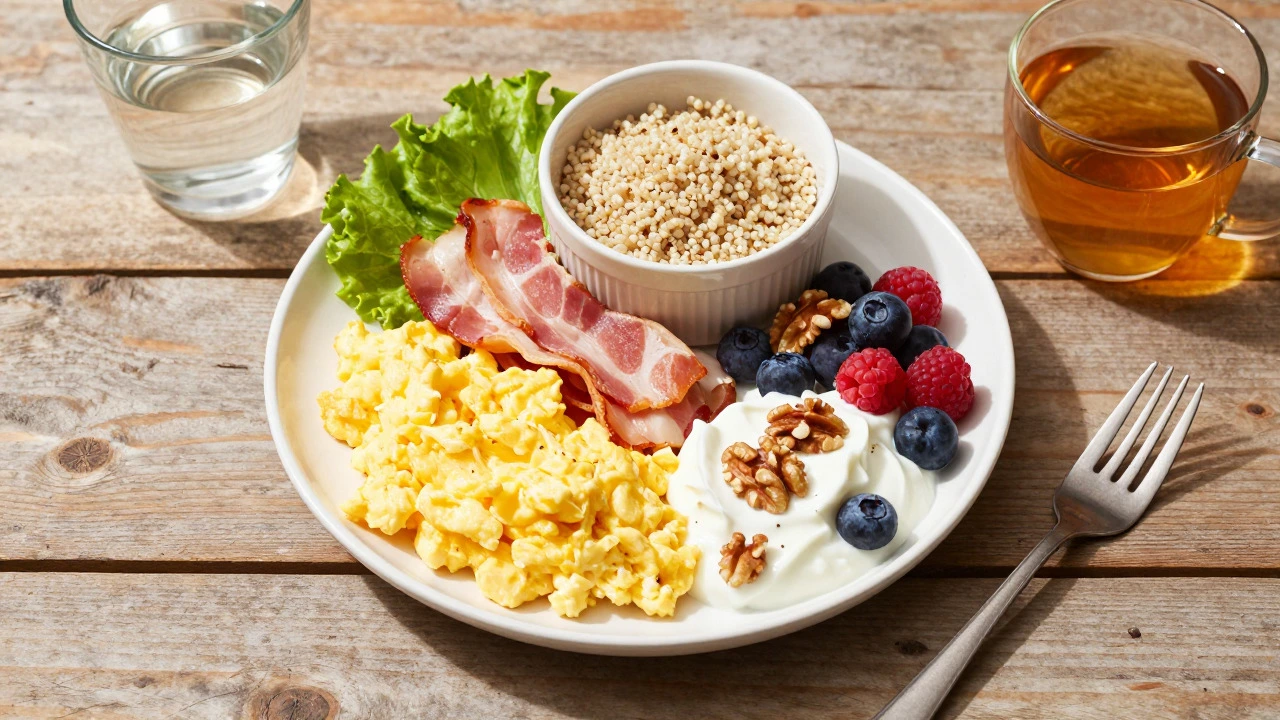
You can get this from lean meats, fish, eggs, dairy, beans, lentils, or plant-based sources like tofu. Distribute your protein intake across all meals rather than saving it all for dinner. Eating 25 to 30 grams of protein at breakfast helps kickstart muscle synthesis early in the day. Think scrambled eggs with turkey bacon, Greek yogurt with nuts, or a protein smoothie with banana and oats.
Don't Fear Healthy Fats and Carbs
Diet culture often tells older adults to cut carbs and fats drastically. This is a mistake. Your brain runs on glucose, and your cells need healthy fats for hormone production. Focus on complex carbohydrates like sweet potatoes, quinoa, brown rice, and whole grains. These provide sustained energy without spiking your blood sugar. Include healthy fats like avocado, olive oil, walnuts, and fatty fish such as salmon. These foods support joint health and brain function, which are critical as you age.
Fiber is also essential. It keeps your digestive system moving and helps regulate blood sugar levels. Aim for at least 25 to 30 grams of fiber daily from vegetables, fruits, and whole grains. A simple salad with mixed greens, chickpeas, and an olive oil dressing can easily add 10 grams of fiber to your meal.
Sleep and Stress Management
It sounds cliché, but sleep and stress are metabolic factors. Poor sleep disrupts hormones like ghrelin (which makes you hungry) and leptin (which makes you full). When you're sleep-deprived, you tend to crave high-calorie, sugary foods. Aim for 7 to 9 hours of quality sleep per night. Create a cool, dark, and quiet bedroom environment. Avoid screens for at least an hour before bed.
Chronic stress elevates cortisol, a hormone that encourages fat storage, particularly around the midsection. High cortisol also breaks down muscle tissue. Incorporate stress-reducing activities into your routine. This could be yoga, meditation, walking in nature, or simply spending time with friends and family. Lowering your stress levels directly supports a healthier metabolic profile.

Hydration and Alcohol Moderation
Your body uses water to digest food and absorb nutrients. Even mild dehydration can slow down your metabolic processes. Make sure you're drinking enough water throughout the day. A good rule of thumb is to drink half your body weight in ounces of water daily, adjusted for activity level and climate. If you live in a hot place like Bangalore, you might need even more.
Alcohol is essentially empty calories. It provides energy but no nutritional value. Moreover, your body prioritizes breaking down alcohol over other fuels, which can halt fat burning. While occasional drinks are fine, try to limit alcohol consumption to a few times a month rather than every night. Swap alcoholic beverages for sparkling water with lime or herbal teas to curb cravings without the metabolic hit.
| Strategy | Primary Benefit | Recommended Frequency |
|---|---|---|
| Resistance Training | Builds muscle mass, increases resting calorie burn | 2-3 times per week |
| High Protein Intake | Preserves muscle, increases satiety | Every meal |
| Prioritizing Sleep | Regulates hunger hormones, reduces cortisol | 7-9 hours nightly |
| Stress Reduction | Lowers cortisol, prevents abdominal fat storage | Daily practice |
Common Myths About Aging Metabolism
Many people believe that metabolism inevitably crashes after 50 and there's nothing to be done. This is false. While there is a slight decline, it's manageable. Another myth is that you must starve yourself to lose weight. Extreme caloric restriction actually slows metabolism further because the body enters "survival mode." Instead, focus on nutrient density and consistent, moderate activity. You don't need to run marathons; you just need to stay active and feed your muscles properly.
When to See a Professional
If you've tried these strategies and still struggle with weight or energy levels, consider consulting a healthcare provider. Conditions like hypothyroidism or insulin resistance can mimic or exacerbate metabolic slowdown. Blood tests can reveal underlying issues that require medical intervention. Working with a registered dietitian or a certified personal trainer who specializes in older adults can also provide personalized guidance tailored to your specific health history and goals.
Is it too late to build muscle after 55?
No, it is not too late. Studies show that adults in their 60s and 70s can gain significant muscle mass through resistance training. The key is consistency and adequate protein intake. Start with lighter weights and focus on form to prevent injury.
Does cardio help speed up metabolism?
Cardio helps burn calories during the workout and improves heart health, but it doesn't build muscle as effectively as resistance training. For long-term metabolic boost, combine cardio with strength training. Aim for a mix of both for best results.
What is the best type of protein for older adults?
Complete proteins containing all essential amino acids are ideal. Sources include eggs, dairy, fish, poultry, and soy. Plant-based options like quinoa and hemp seeds are also good. Ensure you consume enough total protein daily, spread across meals.
Can supplements help boost metabolism?
Most over-the-counter metabolism boosters have limited evidence supporting their effectiveness. Focus on foundational habits like diet and exercise first. If you have deficiencies, supplements like Vitamin D or Magnesium may help, but consult your doctor before starting any new supplement regimen.
How much weight should I aim to lose?
Aim for a healthy Body Mass Index (BMI) between 18.5 and 24.9, unless advised otherwise by a doctor. Gradual weight loss of 0.5 to 1 kg per week is sustainable and less likely to cause muscle loss. Focus on waist circumference as well, aiming for less than 94 cm for men and 80 cm for women.