Post-Op Cognitive Recovery Tracker
How are you feeling today?
Rate your symptoms on a scale of 1-5 (1 = no problem, 5 = severe)
Your Recovery Insights
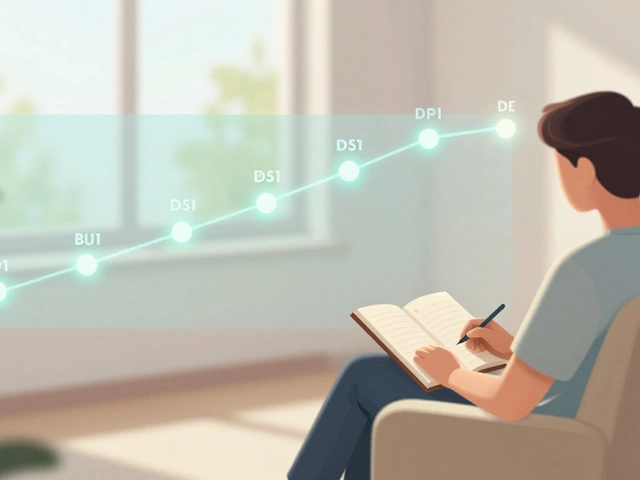
Track your symptoms to see how you're progressing. Most people notice improvement after 3-6 months.
When to see a doctor
See your doctor if you experience any of these symptoms:
- Memory loss worsens after 6 months
- Difficulty with familiar tasks (paying bills, driving)
- Can't recognize family members
- Depression lasting more than two weeks with no motivation
When your heart stops during bypass surgery, your brain doesn’t. But it doesn’t always bounce back the same way either. Many people wake up after heart surgery feeling off-not just tired, but fuzzy. They forget names, struggle to focus, or feel like their thoughts are moving through syrup. This isn’t just stress or anesthesia lingering. There’s real, measurable change happening in the brain.
Brain Changes After Heart Surgery Are Common
Up to 40% of patients over 60 show signs of cognitive decline within days after heart surgery. That’s not rare. It’s expected. A 2023 study tracking 1,200 patients found that nearly one in three still had noticeable memory or attention problems three months later. The numbers drop after a year, but not for everyone. Some never fully return to their pre-surgery mental sharpness.
This isn’t about the surgery being "bad." It’s about how the body reacts when the heart is stopped, blood flow is redirected, and tiny air bubbles or clots get into the brain. Even with the best techniques, the brain gets a shock. It’s like running a computer on low power for hours-some programs crash, others slow down.
Why Does This Happen?
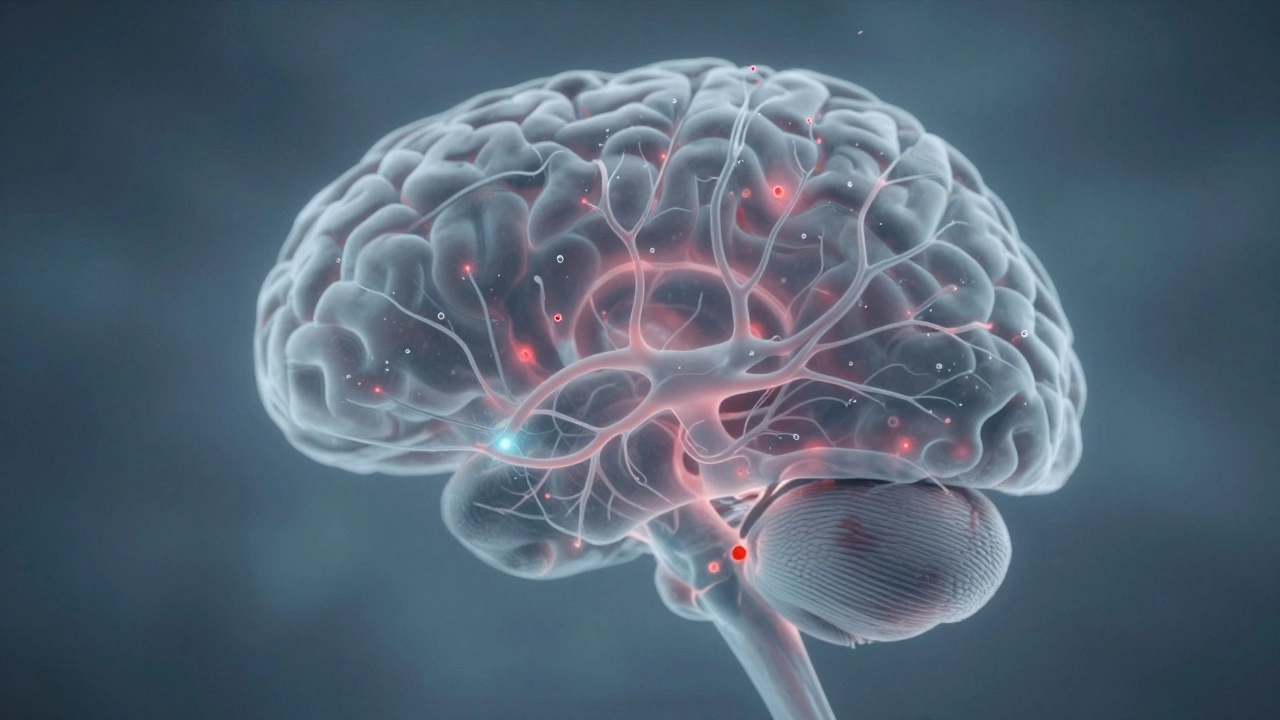
Heart surgery often requires stopping the heart and using a heart-lung machine. That machine circulates blood, but it doesn’t do it perfectly. Tiny air bubbles, microscopic clots, or even small pieces of plaque can break loose and travel to the brain. These block tiny blood vessels, cutting off oxygen for a few seconds. That’s enough to damage neurons, especially in areas like the hippocampus, which handles memory.
Also, the body goes into full stress mode. Inflammation spikes. Cortisol levels rise. The brain’s immune cells, called microglia, get activated and start cleaning up debris-but sometimes they overdo it, attacking healthy connections. This is called neuroinflammation. It’s like a fire alarm going off in a house that’s not actually burning.
Older patients, those with pre-existing high blood pressure, diabetes, or prior strokes, are at higher risk. But even healthy 50-year-olds can experience brain fog. It’s not just age-it’s the trauma of the procedure itself.
What Symptoms Do People Notice?
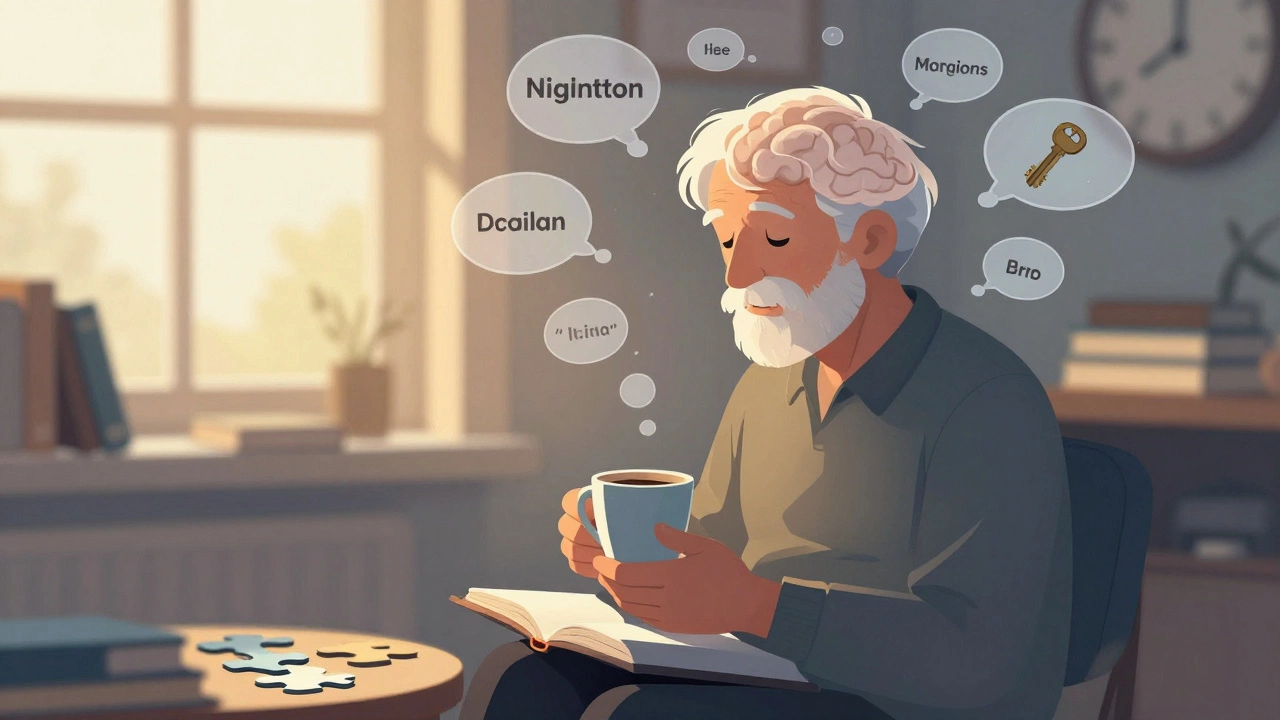
Most people don’t realize their brain has changed until they try to do something simple: remember where they put their keys, follow a recipe, or hold a conversation without zoning out. Common symptoms include:
- Difficulty recalling names or recent events
- Slower thinking-like your thoughts are lagging
- Trouble concentrating, especially in noisy places
- Feeling mentally exhausted after reading a few pages
- Mood swings, irritability, or unexplained sadness
These aren’t signs of dementia. They’re signs of brain recovery. But they’re real. And they’re often dismissed by doctors as "normal" or "just aging." That’s a mistake. Just because it’s common doesn’t mean it’s harmless.
How Long Does It Last?
For most, brain fog clears in 3 to 6 months. The brain is surprisingly good at rewiring itself. But recovery isn’t automatic. It needs the right conditions.
Some people take over a year. A 2024 follow-up study found that 8% of patients still had measurable cognitive deficits after 12 months. These were mostly older adults with multiple risk factors-but even younger patients with no history of brain issues weren’t immune.
Recovery speed depends on three things: how much damage occurred, how well the body heals inflammation, and whether the person actively supports brain recovery. You can’t undo the surgery, but you can influence how your brain responds.
What Can You Do to Help Your Brain Recover?
There’s no magic pill. But science shows clear actions that help.
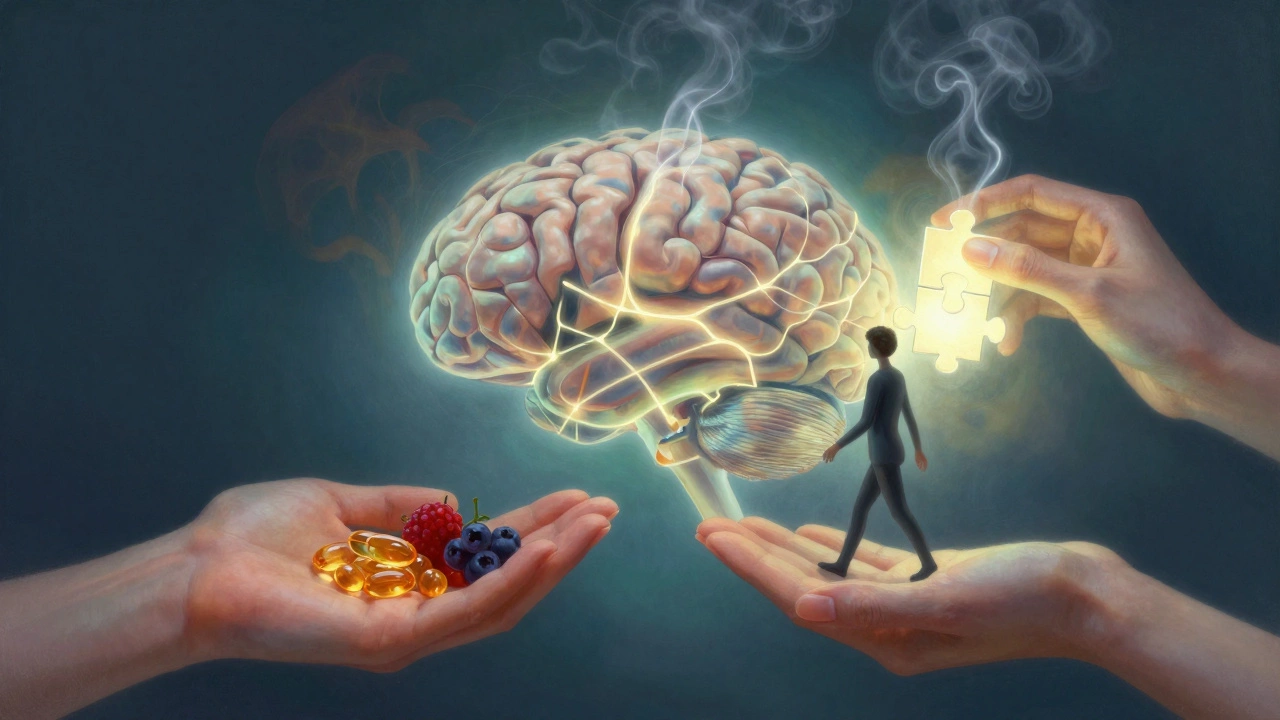
Move gently, but move. Walking 20 minutes a day boosts blood flow to the brain and reduces inflammation. A 2025 study showed patients who walked daily recovered cognitive function 40% faster than those who stayed sedentary.
Sleep like your brain depends on it-because it does. Deep sleep is when the brain flushes out toxins. After surgery, prioritize 7-8 hours. Avoid alcohol and sleeping pills-they mess with sleep cycles and slow healing.
Feed your brain. Omega-3s from fatty fish, antioxidants from berries, and fiber from whole grains help reduce inflammation. Avoid sugar and processed foods-they fuel brain fog.
Challenge your mind, don’t just watch TV. Reading, puzzles, learning a new song, or even having deep conversations stimulate neural pathways. A study from Johns Hopkins found patients who did daily cognitive exercises had 50% less decline than those who didn’t.
Control blood pressure and blood sugar. Even if you didn’t have these issues before, surgery can trigger temporary spikes. Monitor them. Uncontrolled numbers hurt brain recovery.
When Should You Worry?
Some brain changes are temporary. Others aren’t. See a doctor if:
- Memory loss gets worse, not better, after 6 months
- You forget how to do familiar tasks-like paying bills or driving
- You start having trouble recognizing family members
- You feel depressed for more than two weeks with no motivation
These could signal something deeper-like early vascular dementia or undiagnosed mini-strokes. A simple MRI or neuropsychological test can tell you if it’s just recovery or something more.
Doctors Are Starting to Take This Seriously
Five years ago, most cardiac teams didn’t screen for cognitive changes. Now, hospitals in the U.S., Europe, and India are adding pre- and post-op brain assessments. Some use brief memory tests. Others use wearable sensors that track attention and reaction time.
There’s also a shift toward "brain-sparing" techniques. Off-pump bypass surgery (where the heart isn’t stopped) reduces air bubbles. New filters on heart-lung machines catch more clots. Surgeons are learning to minimize how long the brain is under stress.
This isn’t about avoiding surgery. Heart surgery saves lives. But it’s about making sure you don’t trade one health problem for another.
It’s Not Just About the Heart Anymore
Heart surgery used to be seen as a fix for the heart alone. Now we know: the brain is part of the system. When the heart stumbles, the brain stumbles too. Recovery isn’t just about walking again-it’s about thinking clearly again.
If you or someone you love had heart surgery and feels "not themselves," don’t brush it off. It’s not in your head. It’s in your brain. And it can get better-with the right support, time, and action.
Is brain fog after heart surgery normal?
Yes, it’s common. Up to 40% of patients over 60 experience temporary memory or thinking problems after heart surgery. It’s called postoperative cognitive dysfunction. While it’s normal, it’s not harmless. Most improve within 3 to 6 months, but some need more time or support.
Can heart surgery cause permanent brain damage?
In rare cases, yes. If small clots or air bubbles block blood flow to critical brain areas, they can cause lasting damage. This is more likely in older patients or those with prior strokes, high blood pressure, or diabetes. Long-term cognitive decline after surgery affects about 8% of patients after one year. Early testing can identify these cases.
Does every heart surgery patient get brain fog?
No. While it’s common, especially in older adults, many people recover without noticeable issues. Younger, healthier patients with no prior brain or vascular problems are less likely to experience significant brain fog. But even healthy individuals can be affected-it depends on how the body handles the stress of surgery.
How can I test if my brain is recovering after heart surgery?
Ask your doctor for a simple cognitive screening test like the MoCA (Montreal Cognitive Assessment). It takes 10-15 minutes and checks memory, attention, language, and problem-solving. You can also track your own progress: note if you’re remembering names better, focusing longer, or feeling less mentally drained. Improvement over weeks is a good sign.
Should I avoid heart surgery because of brain risks?
No. Heart surgery saves lives. The risk of brain changes is real but manageable. For most people, the benefits of fixing a failing heart far outweigh the risk of temporary cognitive issues. Talk to your surgeon about brain-sparing techniques like off-pump surgery or newer filtration systems. Focus on post-op brain recovery strategies-those matter just as much as the surgery itself.