Herbal Supplement Interaction & Safety Checker
Have you ever walked down the aisle of a health store, staring at rows of colorful bottles labeled with names like herbal supplements, wondering if they are actually helpful or just expensive sugar pills? You aren't alone. The global market for these natural products is booming, but the line between "natural" and "safe" is often blurry. Unlike prescription drugs, which undergo rigorous clinical trials before hitting the shelves, many botanicals rely on centuries of traditional use rather than modern FDA-style approval processes.
This guide cuts through the noise. We will look at specific examples of herbal supplements that have scientific backing, explain how they work in your body, and highlight the critical safety checks you need to perform before popping any pill. Whether you are looking to boost immunity, calm anxiety, or manage inflammation, understanding what is inside those capsules is the first step toward using them effectively.
The Most Researched Herbal Supplements: What Actually Works?
Not all herbs are created equal. Some have decades of peer-reviewed research supporting their efficacy, while others are largely marketing hype. Let’s look at five of the most prominent examples that dominate both the Western wellness market and traditional systems like Ayurveda.
| Herb Name | Primary Use Case | Scientific Backing Level | Key Active Compound | Major Interaction Risk |
|---|---|---|---|---|
| Turmeric (Curcumin) | Inflammation & Joint Pain | High | Curcuminoids | Blood thinners (Warfarin) |
| Ashwagandha | Stress & Anxiety Reduction | Moderate-High | Withanolides | Sedatives & Thyroid meds |
| Ginger Root | Nausea & Digestion | Very High | Gingerols | Blood pressure meds |
| Echinacea | Cold & Immune Support | Mixed | Alkylamides | Autoimmune conditions |
| St. John's Wort | Mild Depression | Moderate | Hypericin | Antidepressants (SSRIs), Birth Control |
Turmeric: The Golden Anti-Inflammatory Powerhouse
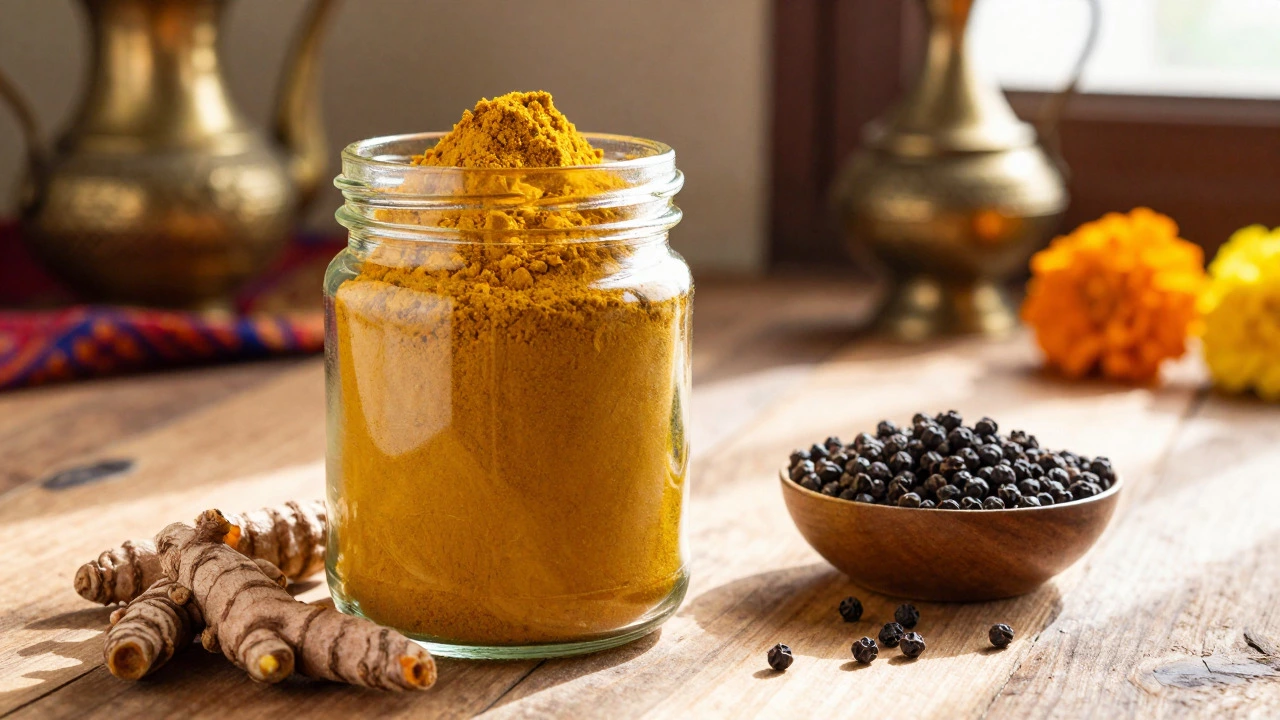
If you have been paying attention to health trends over the last decade, you know about turmeric. This bright yellow spice, a staple in Indian cuisine, contains curcumin, a compound with potent anti-inflammatory and antioxidant properties. Inflammation is the root cause of many chronic diseases, from arthritis to heart disease, which makes curcumin highly attractive for preventive health.
However, there is a catch. Curcumin has very poor bioavailability, meaning your body struggles to absorb it when taken alone. If you buy a cheap turmeric powder capsule, much of it passes right through you. To make it effective, look for supplements that include black pepper extract (specifically piperine). Studies show that piperine can increase curcumin absorption by up to 2000%. Without this combination, you might be wasting your money. It is also crucial to note that because turmeric thins the blood, anyone scheduled for surgery or taking anticoagulants should consult their doctor before adding it to their regimen.
Ashwagandha: Calming the Modern Stress Response
In our always-connected world, stress is a physical reality, not just a mental state. Ashwagandha, an adaptogen rooted in Ayurvedic medicine, helps the body manage physiological stress. Adaptogens do not directly sedate you; instead, they help regulate cortisol levels, the primary stress hormone. When cortisol stays elevated for too long, it leads to weight gain, sleep issues, and anxiety.
Clinical trials have shown that standardized extracts of ashwagandha root can significantly reduce serum cortisol levels compared to placebos. Users often report better sleep quality and reduced feelings of nervousness within four to eight weeks. However, "natural" does not mean harmless. Ashwagandha can interact with thyroid medications because it may increase thyroid hormone production. If you have hyperthyroidism, this herb could push your levels dangerously high. Always start with a low dose to assess tolerance.
Ginger: More Than Just a Kitchen Spice
You likely use ginger in your cooking, but as a supplement, it serves a very specific medical purpose: gastrointestinal relief. Ginger is one of the few herbal remedies with strong evidence for treating nausea, including morning sickness during pregnancy, chemotherapy-induced nausea, and motion sickness. The active compounds, known as gingerols, speed up gastric emptying, which prevents food from sitting in the stomach too long-a common trigger for nausea.
For those dealing with occasional indigestion, a cup of ginger tea or a standardized ginger capsule before meals can provide rapid relief. It is generally considered safe for most people, even children, though high doses (over 4 grams per day) may cause mild heartburn or diarrhea. Unlike some other herbs, ginger has fewer drug interactions, making it one of the safer entry points into herbal supplementation.
Echinacea: Does It Really Stop Colds?
Echinacea is perhaps the most famous immune booster in the West. People reach for it at the first sign of a sniffle, hoping to shorten the duration of a cold. The science here is mixed. Some studies suggest that if you take echinacea at the very onset of symptoms, it might reduce the duration of a common cold by one to two days. Other large-scale reviews found no significant benefit.
The inconsistency often comes down to the part of the plant used. Echinacea purpurea, E. angustifolia, and E. pallida contain different concentrations of active ingredients like alkylamides and polysaccharides. Furthermore, echinacea stimulates the immune system. For individuals with autoimmune diseases like lupus or rheumatoid arthritis, stimulating the immune system can be counterproductive and potentially harmful. It is best used intermittently-only when you feel sick-rather than as a daily preventative measure.
St. John's Wort: The Natural Antidepressant With Major Caveats
Often called nature’s Prozac, St. John's Wort has been used in Europe for centuries to treat mild to moderate depression. Meta-analyses have indicated that it can be as effective as standard antidepressants for mild cases, with fewer side effects like sexual dysfunction or weight gain. It works by inhibiting the reuptake of serotonin, dopamine, and norepinephrine, similar to how synthetic SSRIs function.
Despite its benefits, St. John's Wort is notorious for drug interactions. It induces liver enzymes (specifically CYP3A4) that break down medications faster than intended. This means it can render birth control pills, blood thinners, HIV medications, and transplant rejection drugs ineffective. If you are taking any prescription medication, St. John's Wort requires strict medical supervision. It is not a casual supplement to add to your routine without checking compatibility.
How to Choose Safe and Effective Herbal Supplements
The herbal supplement industry is largely unregulated in many countries, including the US under the DSHEA act. This means manufacturers are responsible for ensuring their products are safe, but they don't need FDA approval before selling them. Quality varies wildly. One brand’s ashwagandha might be pure root extract, while another’s might be diluted with fillers or contaminated with heavy metals.
- Look for Third-Party Testing: Certifications from organizations like USP (United States Pharmacopeia), NSF International, or ConsumerLab.com indicate that the product has been tested for purity, potency, and contaminants.
- Check the Standardization: Effective supplements list the percentage of active compounds. For example, "Standardized to 95% curcuminoids" tells you exactly what you are getting. Avoid vague labels like "proprietary blend" which hide individual ingredient amounts.
- Consult Your Pharmacist: Since herbs are biologically active, they are essentially drugs. Bring your supplement bottle to your pharmacist. They can check for interactions with your current prescriptions using professional databases.
Common Pitfalls to Avoid
Many people make the mistake of thinking "more is better." Taking megadoses of herbal supplements can lead to toxicity. For instance, excessive kava consumption has been linked to liver damage. Another pitfall is expecting immediate results. Unlike ibuprofen, which reduces pain in 30 minutes, adaptogens like ashwagandha or rhodiola often require four to six weeks of consistent use to build up in your system and show effects.
Also, beware of multi-herb formulas marketed for specific ailments. While convenient, they make it difficult to identify which ingredient is working-or causing a reaction. Starting with single-ingredient supplements allows you to isolate effects and adjust dosages safely.
Are herbal supplements regulated by the FDA?
No, herbal supplements are regulated as dietary supplements, not drugs. This means they do not require pre-market approval for safety or efficacy from the FDA. Manufacturers must ensure safety, but the FDA typically only acts after a product is proven harmful post-market. Always choose brands with third-party testing certifications.
Can I take herbal supplements with prescription medication?
It depends on the herb and the medication. Many herbs, such as St. John's Wort and Ginkgo Biloba, interact significantly with prescription drugs. Always consult your doctor or pharmacist before combining them to avoid reduced efficacy or dangerous side effects.
How long does it take for herbal supplements to work?
It varies by herb. Acute herbs like ginger for nausea may work within hours. Chronic-use herbs like ashwagandha for stress or turmeric for inflammation often take 4 to 8 weeks of consistent daily use to show noticeable benefits due to their cumulative effect on the body.
Is it safe to take multiple herbal supplements at once?
Taking multiple supplements increases the risk of interactions and side effects. It is safer to introduce one new supplement at a time, wait a few weeks to assess tolerance and effectiveness, and then consider adding another if needed. Keep a log of any changes in how you feel.
What are the signs of an adverse reaction to herbal supplements?
Common signs include digestive upset, headaches, dizziness, skin rashes, or unusual fatigue. Severe reactions might involve difficulty breathing, swelling, or rapid heartbeat. If you experience any unexpected symptoms after starting a new supplement, stop taking it immediately and consult a healthcare provider.