Nerve Recovery Meal Planner
Select one option for each meal to build your nerve-supportive day. The tool will track which critical nutrients you are hitting.
Your Daily Recovery Plan
Nutrient Coverage
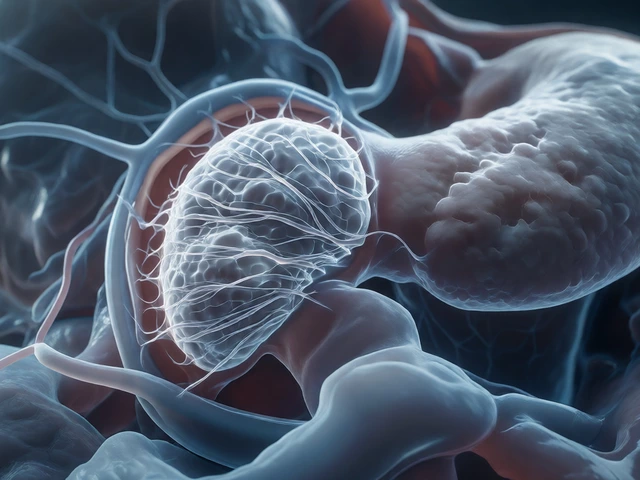
Waking up with a tingling sensation in your toes or a weird numbness in your fingers is more than just a nuisance; it's often a sign that your nerves are struggling. Whether it's from a sports injury, chronic diabetes, or a surgical complication, nerve damage-or peripheral neuropathy is a condition where the peripheral nerves are damaged, causing weakness, numbness, and pain-can feel like a slow climb back to normalcy. While food isn't a magic wand that replaces medical treatment, what you put on your plate provides the raw materials your body needs to repair the myelin sheath, the protective coating of your nerves. If you're dealing with this, you want nutrients that lower inflammation and jumpstart cellular repair.
Quick Guide: Nerve-Supporting Nutrients
- Omega-3 Fatty Acids: Reduce inflammation and rebuild nerve membranes.
- B-Vitamins (B1, B6, B12): Critical for the creation of the myelin sheath.
- Antioxidants: Protect nerves from oxidative stress and free radical damage.
- Magnesium: Helps regulate nerve signaling and muscle relaxation.
The Power of Fatty Fish
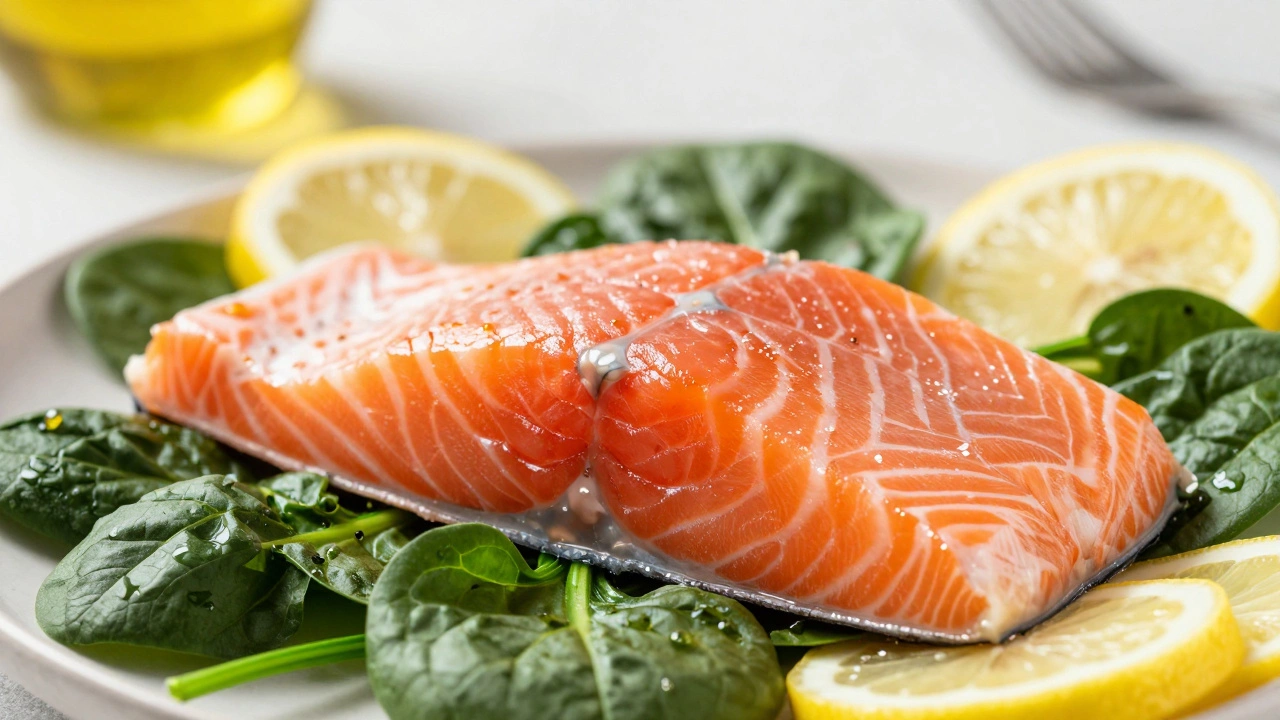
If you want to fix a leaky pipe, you need the right sealant. For your nerves, that sealant is Omega-3. Salmon is a fatty fish rich in EPA and DHA, which are essential omega-3 fatty acids that reduce neuro-inflammation. When nerves are damaged, the body often triggers an inflammatory response that can actually hinder repair. By eating salmon, mackerel, or sardines, you're giving your body the tools to dampen that inflammation.
Think of it as lubricating the communication lines. A study published in the journal Nutrients highlighted how Omega-3s can improve nerve conduction velocity, meaning the electrical signals move faster and more accurately from your brain to your limbs. If you don't like fish, chia seeds or walnuts are decent alternatives, though the animal-based DHA is generally more potent for nerve repair.
Leafy Greens for Nerve Protection
You've probably heard that Spinach is a nutrient-dense leafy green packed with folate, magnesium, and potassium great for your health, but it's specifically vital for nerves. Folate (Vitamin B9) is a powerhouse for DNA repair. When a nerve is crushed or damaged, the cell needs to synthesize new proteins to rebuild. Without enough folate, that process slows down to a crawl.
Magnesium is another hidden gem in greens like spinach and kale. It acts as a gatekeeper for calcium in your nerve cells. If calcium floods the cell too quickly, it can lead to nerve death (excitotoxicity). Magnesium keeps the balance, preventing further damage while the nerve tries to heal. Try adding a handful of raw spinach to your morning smoothie or sautéing it with garlic to keep these nutrients bioavailable.
The Role of Avocados and Healthy Fats
Your nerves are essentially electrical wires wrapped in fat. This fatty layer, called the myelin sheath, ensures that signals don't "leak" out. Avocado is a fruit rich in monounsaturated fats and Vitamin E, which protect the nerve cell membranes from oxidative damage. Vitamin E is a fat-soluble antioxidant that prevents the lipids in your nerve walls from becoming rancid through oxidation.
Imagine a wire with frayed insulation; that's what damaged nerves look like. The healthy fats in avocados provide the building blocks to patch those gaps. Moreover, the potassium in avocados helps maintain the resting membrane potential of the nerve, making it easier for the nerve to fire a signal when it's actually needed, rather than firing randomly (which causes that annoying "pins and needles" feeling).
Eggs: The B-Vitamin Goldmine
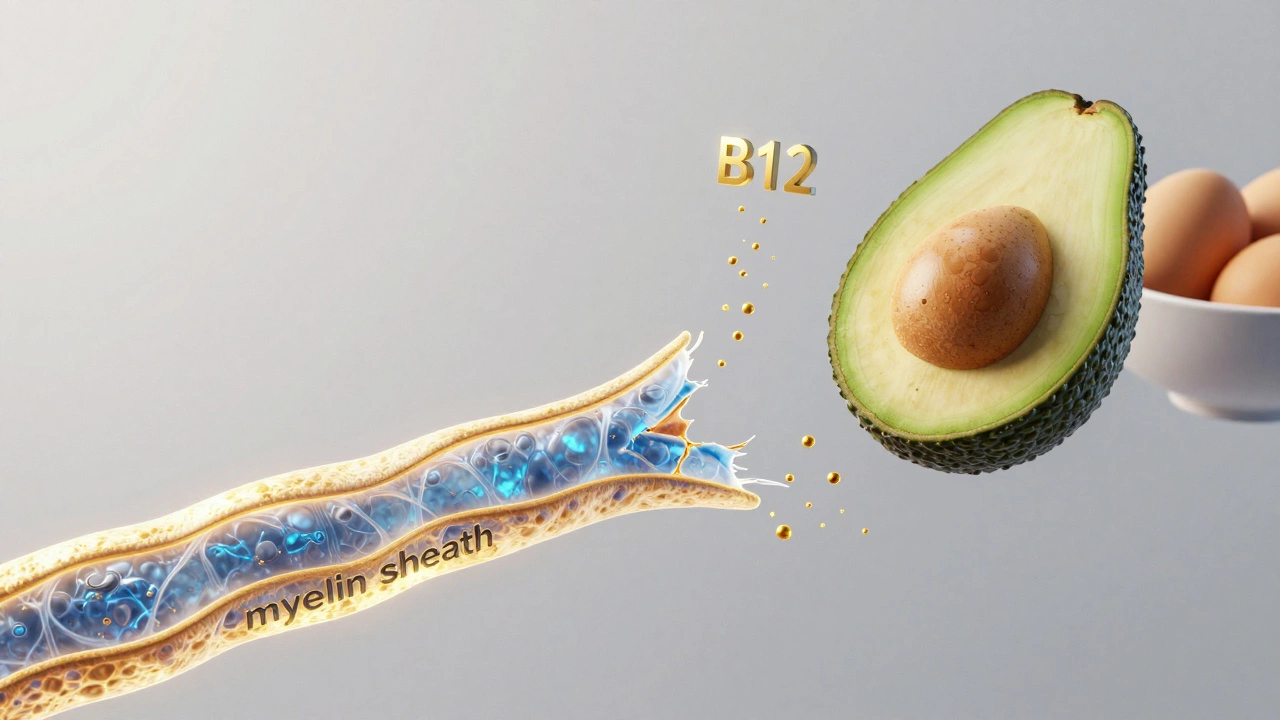
If there is one nutrient you cannot afford to miss when healing nerves, it is Vitamin B12. This is where Eggs come in, providing a concentrated dose of B-vitamins and choline, which are essential for nerve cell membrane integrity. B12 is the primary architect of the myelin sheath. Without it, the protective coating of your nerves simply disappears, leading to a condition called demyelination.
For someone recovering from a spinal injury or diabetic neuropathy, B12 is non-negotiable. While eggs provide a steady amount, pairing them with fortified cereals or nutritional yeast can boost your levels further. It's worth noting that if you're strictly vegan, you'll need a B12 supplement, as this vitamin is primarily found in animal products.
Nuts and Seeds for Micronutrient Support
Walnuts and almonds aren't just snacks; they are nerve-repair kits. Walnuts are seeds containing alpha-linolenic acid (ALA), a plant-based omega-3 that supports cognitive and peripheral nerve function. They also provide a high concentration of copper and zinc. Copper is a cofactor for several enzymes that help maintain the structural integrity of the nerve axon.
The synergy here is key. The combination of Vitamin E from almonds and Omega-3s from walnuts creates a protective shield around the nerve. A small handful of mixed nuts daily can provide the same neuro-protective benefits as some low-dose supplements, without the synthetic additives. Just be mindful of the portion size-about an ounce is plenty.
Berries and the Fight Against Oxidative Stress
When a nerve is damaged, it produces "reactive oxygen species" or free radicals. These are unstable molecules that attack healthy cells, creating a vicious cycle of damage. Blueberries are fruits rich in anthocyanins, powerful antioxidants that cross the blood-nerve barrier to reduce oxidative stress. These antioxidants act like a cleanup crew, neutralizing free radicals before they can destroy the remaining healthy nerve fibers.
Eating berries isn't just about the vitamins; it's about the flavonoids. These compounds improve blood flow to the micro-capillaries that feed your nerves. Since nerves have a very limited blood supply (especially in the extremities like the feet), improving circulation is half the battle in getting the nutrients mentioned above to actually reach the site of the injury.

Cruciferous Vegetables for Detox and Repair
Finally, don't overlook Broccoli, which is a cruciferous vegetable containing sulforaphane, a compound known to protect neurons from toxicity. Sulforaphane triggers the body's own antioxidant defense system, which is far more powerful than just taking a Vitamin C pill. It helps the body clear out toxins that might be irritating the nerve endings.
Combine broccoli with the other foods on this list to create a comprehensive recovery plan. For example, steaming broccoli and serving it with a piece of salmon creates a meal that addresses inflammation, oxidative stress, and structural repair all at once. Avoid overboiling your vegetables, as this can leach out the water-soluble B-vitamins you desperately need for your nerves.
| Food Entity | Primary Nutrient | Main Nerve Benefit | Value/Potency |
|---|---|---|---|
| Salmon | Omega-3 (EPA/DHA) | Reduces Inflammation | High |
| Spinach | Folate / Magnesium | DNA Repair / Signal Control | Medium |
| Avocado | Vitamin E / Healthy Fats | Myelin Sheath Support | High |
| Eggs | Vitamin B12 | Myelin Regeneration | Very High |
| Blueberries | Anthocyanins | Neutralizes Free Radicals | Medium |
Putting it All Together: A Sample Day
Knowing what to eat is one thing, but implementing it in a busy schedule is another. To maximize your foods for nerve damage recovery, aim for a variety of these nutrients throughout the day rather than loading them into one meal. Your body absorbs B-vitamins and fats more efficiently in smaller, consistent doses.
- Breakfast: Two poached eggs on whole-grain toast with sliced avocado. (B12, Healthy Fats, B-Vitamins)
- Lunch: Grilled salmon with a side of sautéed spinach and lemon. (Omega-3, Folate, Magnesium)
- Snack: A bowl of fresh blueberries and a small handful of walnuts. (Antioxidants, ALA)
- Dinner: Steamed broccoli and quinoa with a lean protein of your choice. (Sulforaphane, Complex Carbs)
Common Pitfalls to Avoid
While adding the right foods is great, you also have to stop adding the wrong ones. High sugar intake is the biggest enemy of nerve health. Sugar causes glycosylation, where glucose molecules attach to proteins in the nerve, making them stiff and dysfunctional. This is why diabetic neuropathy is so common; the sugar literally "caramelizes" the nerves over time.
Avoid highly processed seed oils (like soybean or corn oil) that are high in Omega-6. While some Omega-6 is necessary, too much of it can promote inflammation, cancelling out the benefits of the salmon and walnuts you're eating. Stick to olive oil or avocado oil for cooking to keep the inflammatory balance in check.
How long does it take for foods to help heal nerve damage?
Nerve healing is a slow process. Unlike a skin cut that heals in a week, peripheral nerves regrow at a rate of roughly 1 millimeter per day. You might notice an improvement in tingling or pain after 4 to 8 weeks of a consistent nutrient-rich diet, but full recovery can take months or even years depending on the severity of the damage.
Can I just take supplements instead of eating these foods?
Supplements can be useful, especially for B12, but they aren't a total replacement. Whole foods provide co-factors-smaller vitamins and minerals-that help the main nutrient work. For example, Vitamin E works better when consumed with the healthy fats found in an avocado than as a standalone pill. Use supplements to fill gaps, not as the foundation.
Are there any foods I should strictly avoid?
Yes. Refined sugars, trans fats (found in fried fast foods), and excessive alcohol should be minimized. Alcohol is a known neurotoxin that can cause its own form of nerve damage (alcoholic neuropathy), and sugar increases inflammation and impairs blood flow to the nerves, slowing down the healing process.
Is it possible to heal all types of nerve damage with diet?
Diet supports the healing process but cannot cure all nerve damage. If a nerve has been completely severed or the cell body is destroyed, food cannot "regrow" it. However, for compression injuries, metabolic damage (like diabetes), or partial neuropathy, the right nutrients can significantly speed up recovery and reduce chronic pain.
Do I need to eat these foods every single day?
Consistency is key for nerve repair. Because the myelin sheath requires a constant supply of B12 and Omega-3s to maintain and rebuild, a "cheat day" approach doesn't work well. Aim to include at least two of the mentioned food groups in every meal to ensure your nervous system has a steady stream of repair materials.
Next Steps for Recovery
If you're starting this diet, don't do it in a vacuum. Pair your nutritional changes with mild physical activity, like walking or swimming, to encourage blood flow to your extremities. If you feel an increase in tingling or a sudden loss of motor control, consult a neurologist to ensure there isn't a new compression point that needs medical intervention.
For those with diabetes, work closely with your doctor to manage blood sugar levels. No amount of salmon or spinach can override the damage caused by chronically high glucose. Once your sugars are stable, these foods act as the acceleration pedal for your recovery journey.