Herbal Supplement Brand Analyzer
Select your priority to find the best herbal supplement company for your needs in 2026.
Best For:
Key Strength:
Price Range:
Walking down the aisle of a health food store or scrolling through an online marketplace can feel overwhelming. You see dozens of bottles promising better sleep, reduced stress, or higher energy, all made from "natural" herbs. But here is the hard truth: natural does not automatically mean safe, and it certainly doesn't mean effective. The biggest question isn't just which herb works for you, but which company actually puts real ingredients in that bottle.
The herbal supplement industry is massive, yet it operates differently from the pharmaceutical world. In many regions, including the United States, herbal products are regulated as dietary supplements, not drugs. This means they do not undergo the same rigorous pre-market testing for efficacy and safety before hitting the shelves. As a consumer, you have to be your own quality control officer. So, who can you trust? We break down the criteria for identifying top-tier manufacturers and highlight the specific brands that consistently meet high standards in 2026.
How to Spot a High-Quality Herbal Brand
Before naming specific companies, you need to know what makes a brand "good." Many consumers fall into the trap of buying based on flashy packaging or celebrity endorsements. Instead, look for these three non-negotiable pillars of quality.
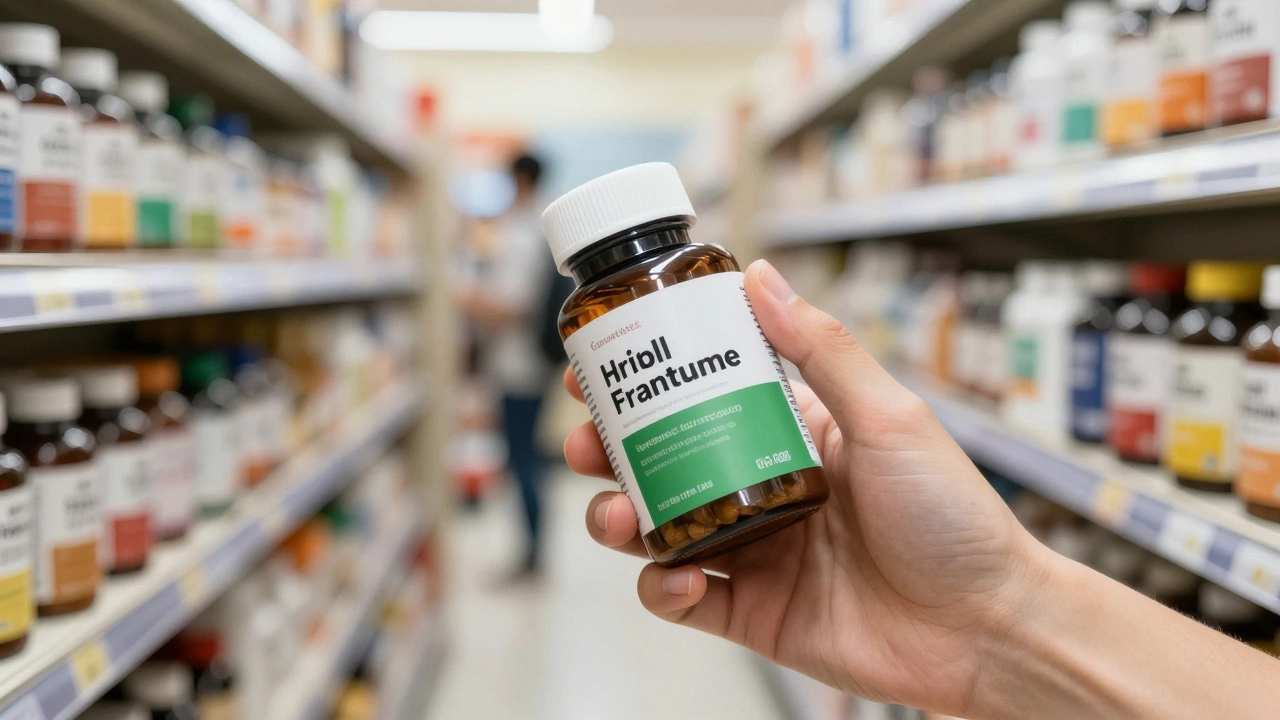
Third-Party Testing: This is the gold standard. A reputable company will send its products to independent laboratories to verify purity and potency. Look for seals from organizations like USP (United States Pharmacopeia), a nonprofit organization that sets quality standards for medicines and supplements, NSF International, or ConsumerLab.com. These tests confirm that what is on the label matches what is inside the capsule and that there are no hidden contaminants like heavy metals or pesticides.
Transparent Sourcing: Where does the herb come from? Soil quality directly impacts the nutrient density of plants like ashwagandha or turmeric. Top brands disclose their sourcing locations and often use sustainable farming practices. If a company hides where its raw materials originate, that is a red flag.
Bioavailability: Just because an herb is present doesn't mean your body can absorb it. For example, curcumin (the active compound in turmeric) is poorly absorbed on its own. High-quality brands use technologies like liposomal delivery or combine herbs with black pepper extract (piperine) to enhance absorption. Check the ingredient list for these enhancers if you are buying potent botanicals.
Top-Rated Herbal Supplement Companies in 2026
Based on third-party verification records, customer feedback trends, and manufacturing transparency, several companies stand out above the rest. Here is how they compare across different needs.
| Brand Name | Best For | Key Strength | Price Range |
|---|---|---|---|
| Garden of Life, a leading brand known for whole-food-based supplements | Organic Integrity | USDA Certified Organic & Non-GMO Project Verified | $$ - $$$ |
| Nature Made, a widely available mass-market supplement brand | Accessibility & Trust | USP Verified; Available in major pharmacies | $ - $$ |
| Nordic Naturals, specializes in omega oils and marine-based supplements | Purity Standards | Strict heavy metal testing; IFOS certified | $$$ |
| Horbaach, an affordable online-focused supplement retailer | Budget Options | High value for money; GMP certified facilities | $ |
| Traditional Medicinals, focuses on herbal teas and liquid extracts | Herbal Teas | Ethical wildcrafting; Eco-friendly packaging | $$ |
Garden of Life: The Organic Standard
If your priority is clean, organic ingredients, Garden of Life is often the first name that comes up. They don't just sell pills; they focus on whole-food nutrition. Their herbal blends, such as those containing probiotics or adaptogens like rhodiola, are USDA Certified Organic. This means you aren't getting synthetic fillers or artificial binders. While their prices are higher than average, you are paying for verified organic farming practices and rigorous non-GMO testing. It is an excellent choice for people who want to avoid any potential pesticide residue in their herbs.
Nature Made: The Accessible Choice
You might find Nature Made in almost every pharmacy chain. That accessibility is its biggest strength. More importantly, many of their products carry the USP Verified mark. This seal guarantees that the product contains exactly what the label says, dissolves properly in the body, and is free from harmful levels of contaminants. For beginners who want a trusted, no-frills option without hunting for specialty stores, Nature Made offers peace of mind at a moderate price point.
Nordic Naturals: Purity First
While famous for fish oil, Nordic Naturals has expanded into herbal and plant-based supplements with the same obsessive attention to purity. They test for over 100 pollutants, including PCBs and dioxins. If you are sensitive to impurities or have compromised immune systems, their stringent quality control makes them a top contender. Their formulations often include co-factors to ensure maximum bioavailability, making them a favorite among health-conscious consumers willing to pay a premium for guaranteed cleanliness.
Understanding Manufacturing Standards: GMP Matters
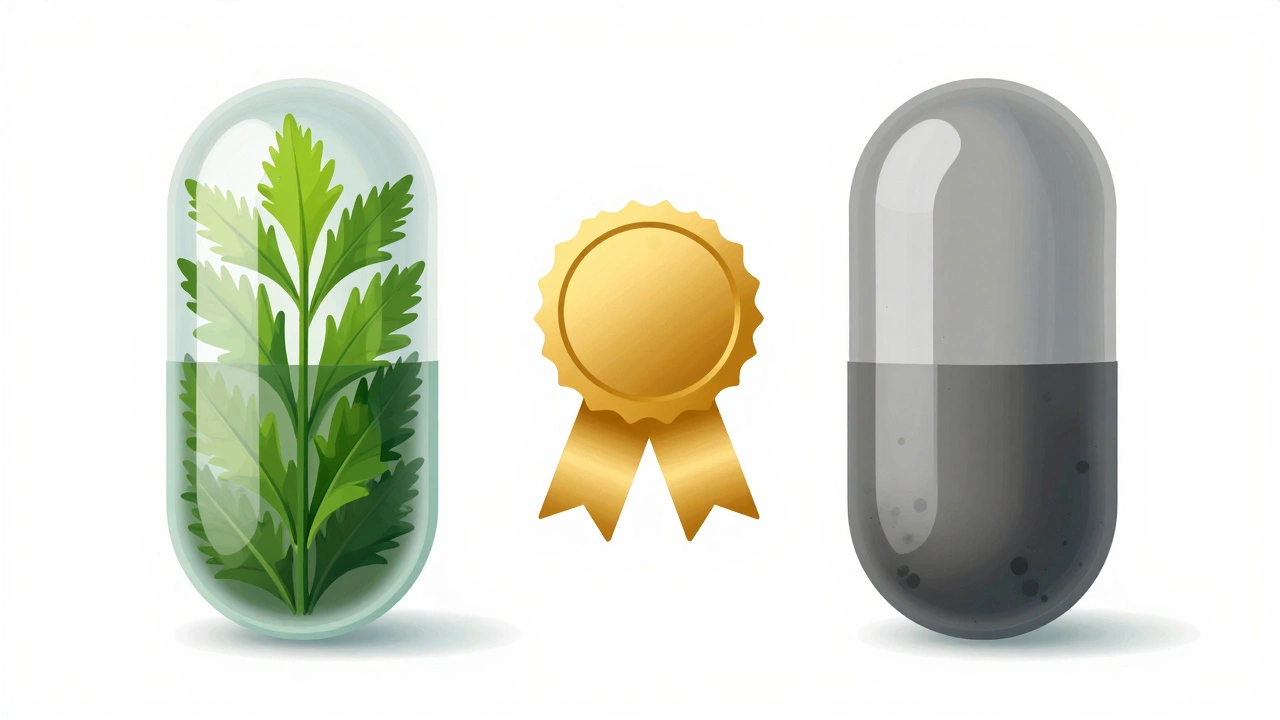
When evaluating any herbal company, you will frequently see the acronym GMP. This stands for Good Manufacturing Practices. In the context of supplements, GMP certification ensures that the facility follows strict guidelines for hygiene, equipment calibration, and batch consistency. However, not all GMP certifications are created equal. Some countries have lax enforcement, while others, like the FDA in the US, require regular audits.
A truly reliable company will state that its products are manufactured in a facility registered with the FDA and compliant with current GMP regulations. Always check the "Supplement Facts" panel or the company website for this declaration. Without GMP compliance, there is a higher risk of cross-contamination between batches, meaning one pill might have a different potency than the next.
Common Pitfalls to Avoid When Buying Herbs
Even with the best brands, mistakes happen. Here are common errors that lead to wasted money or ineffective results.
- Ignoring Dosage Forms: Capsules are convenient, but tinctures (liquid extracts) often have faster absorption rates. If you need quick relief for acute issues like anxiety or pain, a liquid drop under the tongue might work better than a capsule that has to dissolve in your stomach.
- Buying Proprietary Blends: Be wary of labels that list a "proprietary blend" without specifying the exact amount of each herb. If a calming tea mix lists chamomile, valerian root, and lemon balm but only gives a total weight for the blend, you don't know if you're getting a therapeutic dose of the key ingredient or mostly filler. Transparent brands list individual milligram amounts for every herb.
- Overlooking Expiration Dates: Herbs degrade over time. Essential oils evaporate, and antioxidants oxidize. Never buy bulk herbal supplements that have been sitting on a shelf for years. Check the "best by" date, and store your supplements in a cool, dry place away from direct sunlight to preserve potency.
Safety Considerations: Interactions and Side Effects
Just because an herb is natural doesn't mean it is harmless. St. John's Wort, for instance, is highly effective for mild depression but interacts dangerously with many prescription medications, including birth control pills and antidepressants. Similarly, ginkgo biloba can thin the blood, posing risks for anyone taking warfarin or aspirin.
Always consult with a healthcare provider before starting a new herbal regimen, especially if you are pregnant, nursing, or taking prescription drugs. Reputable companies provide detailed warning labels about contraindications. If a brand fails to mention potential interactions, consider it a sign of poor research and customer care.
Conclusion: Making Your Choice
Finding the best herbal supplement company comes down to matching your personal values with the brand's strengths. If organic certification is your priority, Garden of Life leads the pack. If you need widespread availability and verified safety, Nature Made is a solid bet. For those demanding the highest level of contaminant testing, Nordic Naturals sets the bar. Regardless of the brand you choose, always prioritize third-party testing, transparent labeling, and professional medical advice. Your health is worth the extra effort to read the fine print.
Are herbal supplements regulated by the FDA?
In the United States, herbal supplements are regulated as dietary supplements, not drugs. This means the FDA does not approve them for safety or effectiveness before they are sold. However, the FDA does monitor for adverse events and can take action against unsafe products after they reach the market. Manufacturers are responsible for ensuring their products are safe and that label claims are truthful.
What does USP Verified mean on a supplement bottle?
USP Verified is a seal from the United States Pharmacopeia, an independent nonprofit organization. It indicates that the product has been tested by a third party to confirm it contains the ingredients listed on the label in the declared potency and amounts, and that it is free from harmful contaminants like lead and mercury. It also verifies that the product will dissolve and release ingredients in the body as expected.
Can I take multiple herbal supplements together?
It depends on the specific herbs. Some combinations can enhance effects, while others may cause dangerous interactions or reduce effectiveness. For example, combining blood-thinning herbs like garlic and ginkgo biloba can increase bleeding risk. Always consult a healthcare provider or pharmacist before stacking supplements, especially if you have underlying health conditions.
Why are some herbal supplements so expensive?
Higher costs often reflect the quality of raw materials, organic farming practices, and rigorous third-party testing. Extracts that are standardized to contain a specific percentage of active compounds (like 5% Withanolides in Ashwagandha) require more processing and precision than generic powders. Additionally, brands that invest in sustainable sourcing and eco-friendly packaging pass those costs on to the consumer.
How do I know if an herbal supplement is working?
Most herbal supplements are not instant fixes. Adaptogens like rhodiola or ashwagandha may take 4-8 weeks of consistent use to show noticeable benefits in stress levels or energy. Keep a simple journal tracking your symptoms, sleep quality, and mood. If you see no improvement after two months, the dosage might be too low, the herb might not be right for you, or the product might lack potency.