C-PTSD vs. PTSD Symptom Comparison Tool
Instructions: Select the options that best describe your experiences or understanding of a specific situation. This tool helps illustrate the distinction between standard PTSD and Complex PTSD.
Analysis Result
Key Characteristics:
Select options and click Analyze to see how these factors differentiate trauma responses.
We all know the headlines. Depression gets the billboards. Anxiety dominates the search bars. But there is a silent crisis happening in living rooms and offices worldwide, often misdiagnosed as "personality disorders" or simply bad behavior. It’s not just PTSD from a single traumatic event. It’s something deeper, more pervasive, and far less understood by the general public: Complex Post-Traumatic Stress Disorder (C-PTSD), which is a psychological condition resulting from prolonged, repeated trauma where escape seems impossible. While standard PTSD might stem from a car accident or a natural disaster, C-PTSD comes from years of captivity-whether that’s childhood abuse, domestic violence, or long-term emotional neglect.
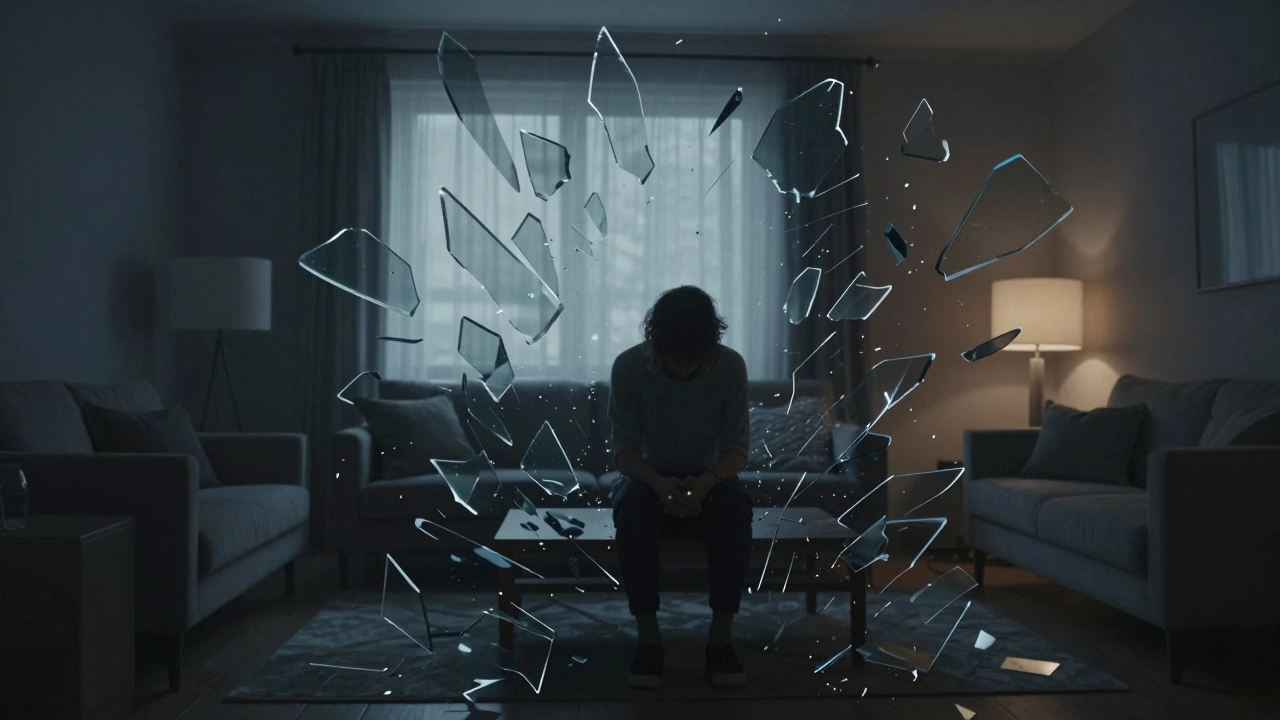
Imagine waking up every day for twenty years feeling unsafe in your own home. You can’t leave because you’re dependent on the abuser, or perhaps you’re too young to understand that what’s happening is wrong. Your brain adapts. It learns to survive by shutting down emotions, hyper-vigilating for danger, and internalizing shame. When you finally escape, the survival mechanisms don’t just turn off. They become the problem. This is why C-PTSD is so often overlooked; the symptoms look like character flaws rather than injuries.
If you’ve ever felt like you were overreacting to a minor criticism, or found yourself inexplicably drawn to toxic relationships, you might be dealing with the aftershocks of complex trauma. Before we dive into the specifics, it helps to understand how this differs from other conditions. For those seeking resources on navigating difficult personal dynamics or finding support networks, platforms like this directory offer various services, though it is crucial to distinguish between professional therapeutic support and casual companionship when addressing deep-seated mental health needs.
The Core Difference: Single Event vs. Prolonged Captivity
To understand why C-PTSD flies under the radar, we have to look at its origin. Standard Post-Traumatic Stress Disorder typically follows a discrete, life-threatening event. Think of a soldier in combat, a survivor of a hurricane, or someone who was in a severe car crash. The trauma has a start date and an end date. The brain processes this as an external threat that happened *to* them.
C-PTSD, however, is born from interpersonal trauma. It happens when the threat comes from another human being, repeatedly, over months or years. The victim often feels trapped. There is no clear "end" to the danger until they manage to escape, and even then, the psychological chains remain. This distinction matters because the treatment for one does not always fit the other. Treating C-PTSD like standard PTSD can lead to frustration for both patient and therapist, as the core wound isn’t just fear-it’s a fractured sense of self.
Symptoms That Mimic Personality Disorders
One of the biggest reasons C-PTSD is overlooked is that its symptoms are frequently mistaken for Borderline Personality Disorder (BPD) or Narcissistic Personality Disorder. People with C-PTSD often struggle with intense emotional swings, difficulty trusting others, and a chronic feeling of emptiness. These aren’t inherent personality traits; they are adaptive responses to a dangerous environment.
Consider the symptom of "emotional flashbacks." Unlike the visual flashbacks common in standard PTSD, where you re-live the scene visually, an emotional flashback drops you back into the *feelings* of the trauma. You might be sitting in a safe office meeting, receive a mild critique from your boss, and suddenly feel small, terrified, and worthless. You aren’t seeing your abuser; you are feeling their voice in your head. This leads to behaviors that confuse friends and family: sudden withdrawal, anger outbursts, or desperate pleas for reassurance. Without understanding the root cause, these reactions are labeled as "dramatic" or "unstable," further isolating the individual.
The Three Pillars of C-PTSD Impact
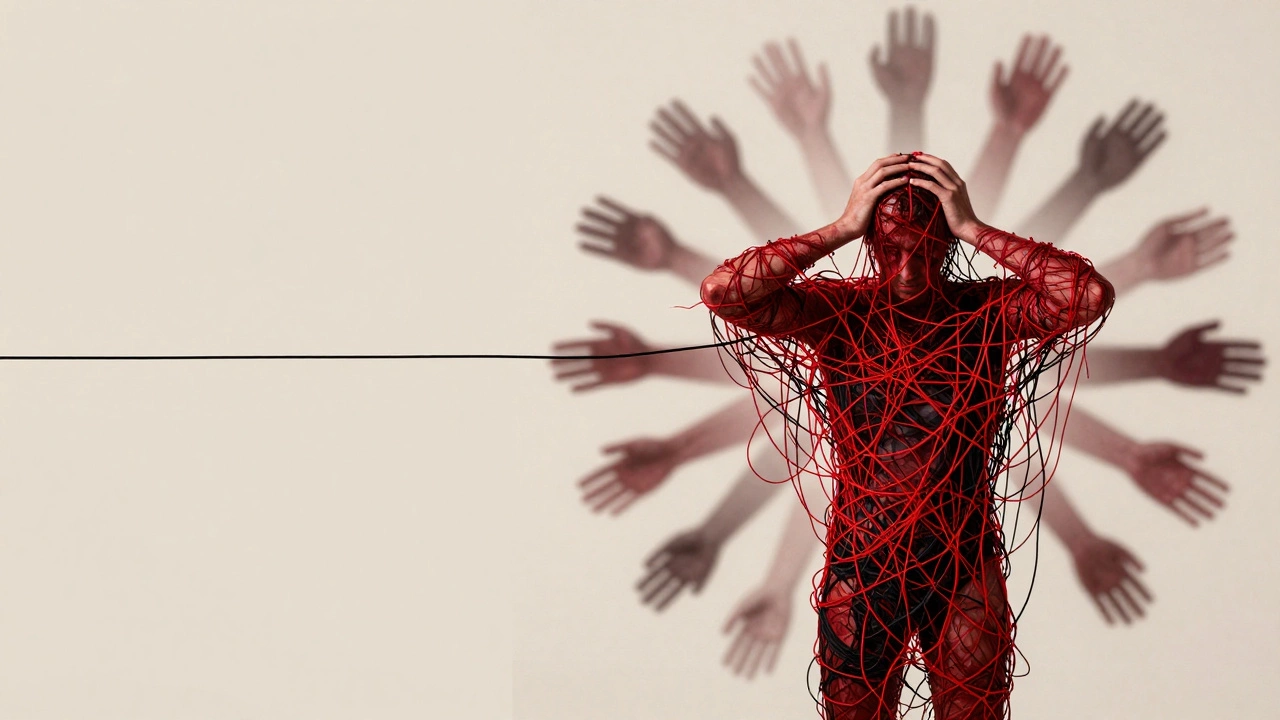
Psychiatrist Judith Herman, who first coined the term, identified three main areas where C-PTSD disrupts life. Understanding these pillars can help you identify if you or someone you know is struggling:
- Emotional Dysregulation: Difficulty calming down once upset. The nervous system is stuck in "fight or flight" mode. Simple stressors trigger disproportionate rage or despair.
- Memory Disturbances: This includes amnesia for parts of the traumatic period, but also intrusive memories. Many survivors also struggle with dissociation-a feeling of being detached from reality or their own body-as a way to cope with overwhelming pain.
- Self-Perception Issues: Perhaps the most damaging aspect. Survivors often carry a deep sense of shame, guilt, and worthlessness. They believe they are fundamentally broken or bad, rather than injured. This internalized shame makes seeking help incredibly difficult, as they feel they don’t deserve it.
Why Diagnosis Is So Rare
You might wonder why this isn’t in the DSM-5 (the Diagnostic and Statistical Manual of Mental Disorders), the primary guide used by psychiatrists in the United States. Currently, C-PTSD is not a standalone diagnosis in the DSM-5, though it is recognized in the ICD-11 (International Classification of Diseases) by the World Health Organization. This discrepancy creates a massive gap in care.
In many clinical settings, if a patient presents with C-PTSD symptoms, they might be diagnosed with BPD, Major Depressive Disorder, or Generalized Anxiety Disorder. Each of these diagnoses carries its own stigma and treatment path. Medication might be prescribed for depression, but pills cannot fix a shattered sense of safety. Therapy might focus on cognitive behavioral techniques, which can be helpful, but without addressing the underlying trauma bond and nervous system dysregulation, progress stalls. The lack of a specific label means millions of people are walking around thinking they are just "difficult" people, rather than survivors of complex trauma.

The Path to Healing: Beyond Talk Therapy
Healing from C-PTSD is possible, but it requires a different approach than traditional talk therapy alone. Because the trauma is stored in the body and the nervous system, talking about it isn’t always enough. In fact, for some, retelling the story without proper grounding techniques can be re-traumatizing.
Effective treatment usually involves a phased approach:
- Stabilization: Learning to regulate emotions and establish safety in the present moment. Techniques like mindfulness, grounding exercises, and somatic experiencing help calm the nervous system.
- Processing: Once stable, the traumatic memories can be processed. Modalities like EMDR (Eye Movement Desensitization and Reprocessing) are highly effective here, as they help the brain integrate fragmented memories without requiring verbal narration.
- Reintegration: Building a new identity separate from the trauma. This involves developing healthy relationships, setting boundaries, and rediscovering joy and purpose.
It is also crucial to address the "inner critic." For C-PTSD survivors, the voice of the abuser often lives inside their heads. Therapeutic work focuses on externalizing this voice, recognizing it as an intruder, and replacing it with a compassionate inner advocate. This shift from self-hatred to self-compassion is the cornerstone of recovery.
Recognizing the Signs in Others
If you suspect a friend or partner has C-PTSD, your role is supportive, not diagnostic. Avoid labeling them. Instead, validate their experiences. Phrases like "Your reaction makes sense given what you’ve been through" can be powerful antidotes to shame. Be patient with their boundaries. Trust is earned slowly and lost quickly. Consistency is key; showing up reliably helps rebuild their belief that the world can be safe.
Remember, C-PTSD is not a life sentence. It is a set of adaptations that served a purpose in the past but no longer serve the present. With the right understanding and specialized care, the nervous system can learn to relax. The shame can be released. And the person can reclaim their life, not as a survivor defined by their trauma, but as a whole individual moving forward.
Is C-PTSD the same as PTSD?
No. While they share symptoms like flashbacks and hypervigilance, C-PTSD results from prolonged, repeated trauma (like abuse or captivity) rather than a single event. C-PTSD also includes additional symptoms related to emotional regulation, self-perception, and relationship difficulties that are not central to standard PTSD.
Can C-PTSD be cured?
While "cure" implies the trauma never happened, recovery is absolutely possible. With appropriate therapy such as EMDR, somatic experiencing, and trauma-informed counseling, individuals can heal the nervous system, process memories, and live fulfilling lives without being controlled by symptoms.
Why is C-PTSD not in the DSM-5?
The American Psychiatric Association did not include C-PTSD as a distinct diagnosis in the DSM-5, leading to many cases being misdiagnosed as Borderline Personality Disorder or Depression. However, the World Health Organization included it in the ICD-11, acknowledging its unique nature and need for specific treatment protocols.
What are emotional flashbacks?
Emotional flashbacks are sudden regressions to the feelings of past trauma without a visual memory. A person might feel intense shame, terror, or helplessness triggered by a current situation, reacting as if they are back in the abusive environment, even though they are physically safe.
How does C-PTSD affect relationships?
C-PTSD can make trust extremely difficult. Survivors may oscillate between craving intimacy and fearing abandonment. They might struggle with setting boundaries or recognize red flags in partners due to familiar patterns of toxicity. Healing involves learning to build secure attachments and recognizing healthy love.