Diabetes Medication Recommendation Tool
Metformin
Recommended for most patients with healthy kidney function. Works by reducing liver sugar production and improving insulin sensitivity. Low cost, rarely causes low blood sugar.
GLP-1 Agonists
Best for patients with obesity or heart disease. Reduces appetite and blood sugar while protecting organs. Available as injections or pills.
SGLT2 Inhibitors
Ideal for patients with kidney disease or heart failure. Helps kidneys filter excess sugar and protects cardiovascular system.
Insulin
Required when pancreas can no longer produce enough insulin. Not a failure—this is natural progression of diabetes. Multiple types available (long-acting, rapid-acting).
When someone is diagnosed with type 2 diabetes, the first question most people ask isn’t about diet or exercise-it’s about medication. Metformin is the most popular medication for diabetes worldwide, and it’s been that way for over 60 years. It’s not the newest, and it’s not the flashiest, but it’s the one doctors reach for first-and for good reason.
Why metformin is the go-to choice
Metformin works by reducing the amount of sugar your liver releases into your blood. It also helps your body use insulin more effectively. Unlike some other diabetes drugs, it doesn’t cause weight gain. In fact, many people lose a few pounds while taking it. It rarely causes low blood sugar on its own, which is a big deal because hypoglycemia can be dangerous.
It’s cheap. In India, a month’s supply costs less than ₹100 in most government pharmacies. In the U.S., generic metformin is often under $10 with a coupon. That’s why it’s listed by the World Health Organization as an essential medicine-it’s effective, safe, and affordable.
Studies show that metformin lowers the risk of heart disease in people with type 2 diabetes. The UK Prospective Diabetes Study, published in 1998 and still cited today, found that metformin reduced heart attacks and diabetes-related deaths more than other early drugs. That’s why guidelines from the American Diabetes Association and the Indian Diabetes Federation still put metformin at the top of the list for first-line treatment.
Who takes metformin-and who doesn’t
Metformin is approved for adults with type 2 diabetes. It’s sometimes used in teens and even in prediabetes to delay the onset of full-blown diabetes. But it’s not for everyone.
If you have severe kidney problems, metformin can build up in your system and cause a rare but serious condition called lactic acidosis. Doctors check kidney function before prescribing it and usually stop it if your eGFR drops below 30. People with liver disease, heart failure, or those who drink heavily are also advised against it.
Some people can’t tolerate metformin because of stomach issues-nausea, diarrhea, bloating. These usually fade after a few weeks. Taking it with food or switching to the extended-release version helps a lot. If side effects don’t improve, doctors may try another drug.
What other diabetes medications are commonly used?
Metformin is the first, but it’s not always the only one. As diabetes progresses, many people need more help. Here are the other most common options:
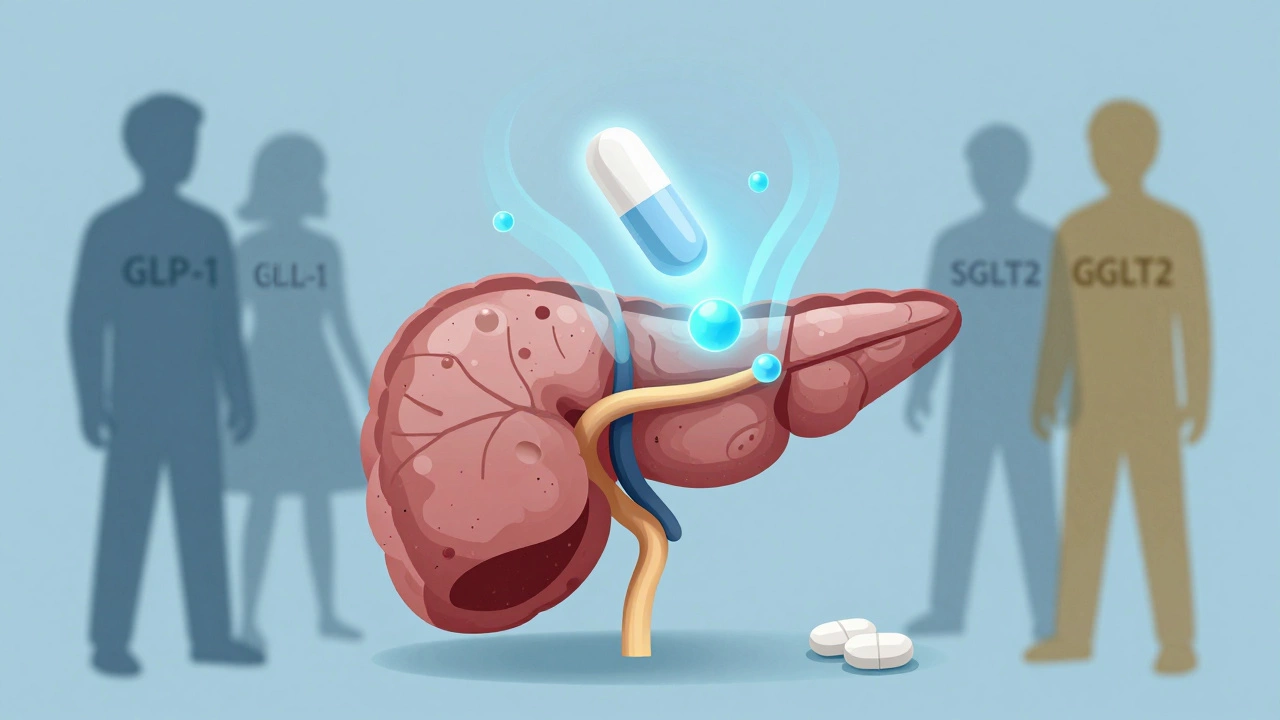
- GLP-1 receptor agonists (like semaglutide, liraglutide): These injectables slow digestion, reduce appetite, and help with weight loss. They’re now used more often-not just as add-ons, but sometimes as first-line for people with obesity or heart disease.
- SGLT2 inhibitors (like empagliflozin, dapagliflozin): These make your kidneys flush out extra sugar through urine. They also lower blood pressure and protect the heart and kidneys. They’re especially helpful for people with heart failure or chronic kidney disease.
- DPP-4 inhibitors (like sitagliptin, linagliptin): These are oral pills that boost insulin after meals. They’re weight-neutral and have low risk of low blood sugar, but they’re not as powerful as metformin or GLP-1 drugs.
- Insulin: When the pancreas stops making enough insulin, pills aren’t enough. Insulin injections become necessary. There are many types-long-acting for baseline control, fast-acting for meals. It’s not a failure; it’s a natural part of diabetes progression.
- Sulfonylureas (like glimepiride, gliclazide): These push your pancreas to make more insulin. They’re cheap and effective but carry a higher risk of low blood sugar and weight gain. Still used in places where newer drugs are too expensive.
How do doctors decide which drug to pick?
There’s no one-size-fits-all. A 55-year-old man with obesity and high blood pressure might start with a GLP-1 agonist. A 70-year-old woman with kidney disease might get an SGLT2 inhibitor. A young adult with newly diagnosed diabetes and no other health issues? Metformin, almost always.
Doctors look at:
- Weight: If you need to lose weight, GLP-1 or SGLT2 drugs help.
- Heart or kidney health: SGLT2 and GLP-1 drugs protect these organs.
- Cost: In rural India, a ₹50 monthly pill matters more than a ₹5,000 injection.
- Side effects: Someone with stomach issues might avoid metformin. Someone afraid of needles might avoid insulin or GLP-1 drugs.
- Other conditions: If you have heart failure, certain drugs are preferred. If you’re pregnant, insulin is the only safe option.
What’s changing in diabetes treatment?
Five years ago, metformin was the undisputed king. Today, GLP-1 agonists like semaglutide (Ozempic, Wegovy) are stealing headlines because of their weight-loss effects. But they’re not replacing metformin-they’re often added to it.
Real-world data from Indian hospitals shows that over 70% of people with type 2 diabetes still take metformin, even if they’re on other drugs too. It’s the foundation. Newer drugs are the upgrade.
Also, combination pills are becoming more common. You can now get metformin + sitagliptin in one pill, or metformin + empagliflozin. That makes it easier to stick to a regimen.
What about natural remedies or supplements?
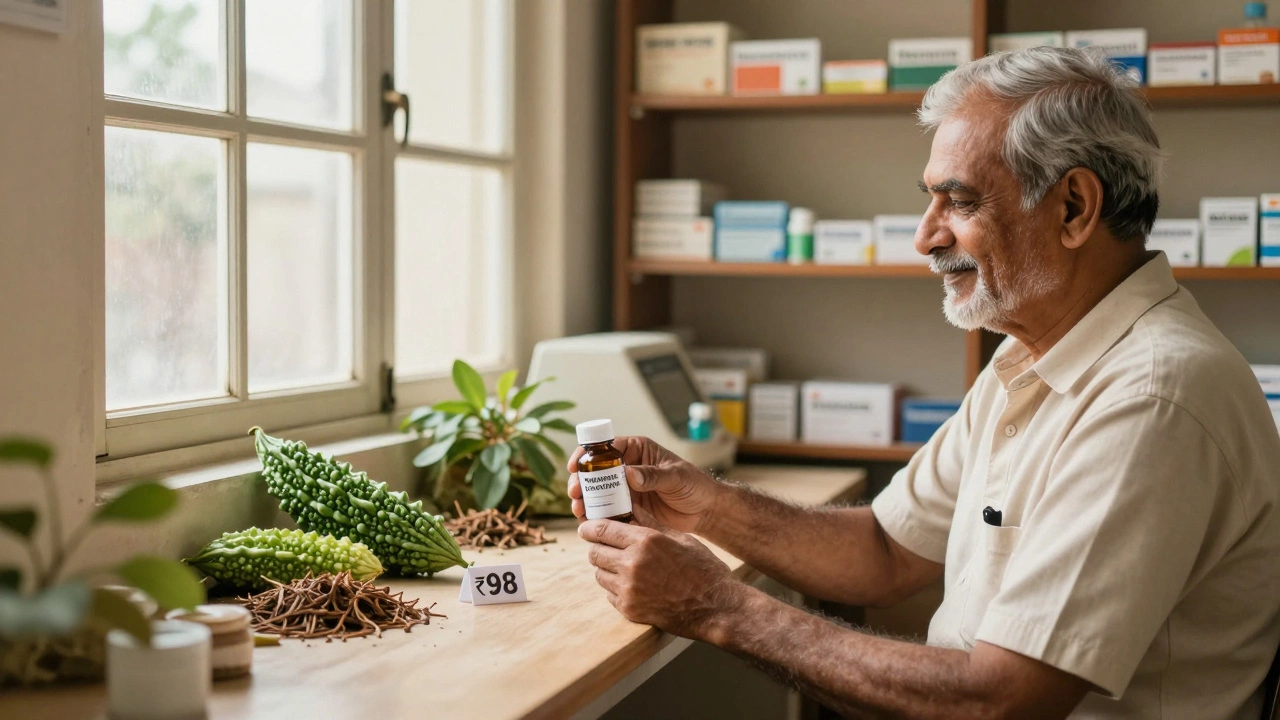
Many people in India turn to bitter gourd, fenugreek, or Ayurvedic herbs like gymnema sylvestre. Some studies suggest these may help lower blood sugar slightly. But they’re not replacements for proven medications.
Supplements aren’t regulated like drugs. You don’t know the dose, purity, or interactions. Taking bitter gourd juice with metformin could cause your blood sugar to drop too low. Always tell your doctor what you’re taking-herbs included.
What happens if medication doesn’t work?
Medication isn’t magic. It works best with lifestyle changes. Eating fewer refined carbs, walking 30 minutes a day, and losing even 5% of your body weight can cut your blood sugar by 20-30%. Some people reverse their diabetes enough to stop all meds-especially if they act early.
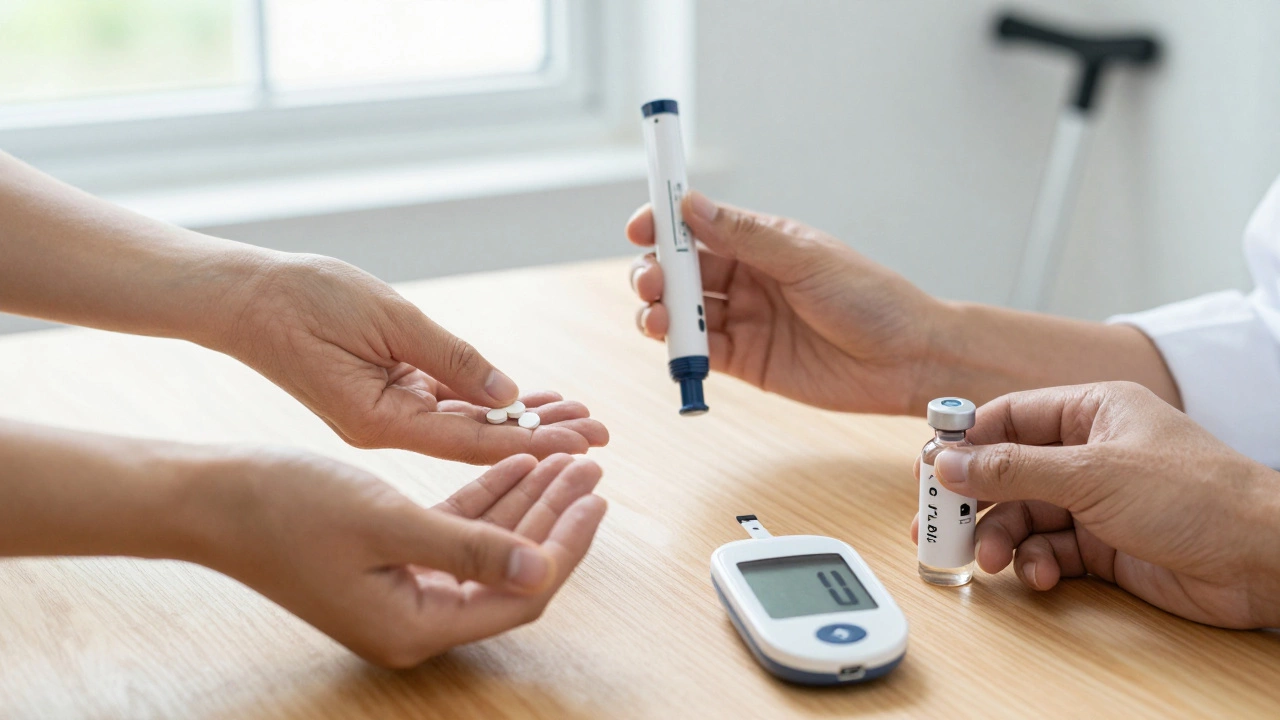
If your A1c stays high despite two or three drugs, your doctor might suggest insulin. That doesn’t mean you’ve failed. It means your body needs more support. Many people feel relieved when they start insulin-they finally have better energy and fewer symptoms.
Regular monitoring matters. Check your blood sugar often. Keep your appointments. Diabetes doesn’t wait-and neither should you.
Key takeaways
- Metformin is still the most popular and most prescribed diabetes medication globally.
- It’s safe, affordable, helps with weight, and protects the heart.
- GLP-1 agonists and SGLT2 inhibitors are rising fast, especially for people with obesity, heart disease, or kidney issues.
- Insulin is needed when the pancreas can’t keep up-this is normal, not a failure.
- Always combine medication with diet, movement, and regular checkups.
- Never stop or change your meds without talking to your doctor.
Is metformin the best diabetes medicine for everyone?
No. Metformin is the first choice for most people with type 2 diabetes, but it’s not right for everyone. People with kidney problems, severe liver disease, or those who can’t tolerate stomach side effects may need other options. Doctors choose based on your age, weight, other health conditions, and budget.
Can I stop taking diabetes medication if I lose weight?
Yes, some people can. Losing 5-10% of your body weight and staying active can improve insulin sensitivity enough to reduce or even eliminate the need for pills. But this doesn’t mean diabetes is cured. You still need to monitor your blood sugar and maintain your lifestyle. Stopping meds without medical advice can be dangerous.
Are newer diabetes drugs better than metformin?
They’re not necessarily better-they’re different. Newer drugs like semaglutide and dapagliflozin offer extra benefits like weight loss and heart protection, which metformin doesn’t provide as strongly. But metformin is still more effective at lowering blood sugar on its own, and it’s far cheaper. Many people take both.
Why do some people need insulin while others don’t?
Type 2 diabetes gets worse over time. The pancreas slowly loses its ability to make insulin. Some people reach that point in 5 years; others take 20. When pills aren’t enough to control blood sugar, insulin becomes necessary. It’s not about discipline-it’s about biology. Starting insulin early can prevent complications.
Do diabetes medications cause weight gain?
Some do, some don’t. Sulfonylureas and insulin often cause weight gain because they increase insulin levels, which promotes fat storage. Metformin usually doesn’t, and may even help with modest weight loss. GLP-1 agonists and SGLT2 inhibitors can lead to significant weight loss. Your choice of medication should match your weight goals.
What to do next
If you’re newly diagnosed, don’t panic. Start with metformin unless your doctor says otherwise. Focus on small changes: swap white rice for brown, take a walk after dinner, drink water instead of soda. Track your blood sugar. Keep your appointments.
If you’ve been on meds for years and your A1c is still high, talk to your doctor about adding a GLP-1 or SGLT2 drug. Don’t wait until you have nerve pain, vision problems, or kidney damage.
Diabetes isn’t a life sentence. It’s a condition you manage-with the right tools, the right support, and the right mindset. The most popular medication isn’t always the most important one. What matters is the one that works for you-and that’s something you and your doctor figure out together.