Ayurvedic Inflammation & Ama Checker
Check your symptoms and recent meals to see if you are accumulating Ama (metabolic toxins) or aggravating your Pitta (internal heat).
1. Physical Indicators
2. Recent Dietary Triggers
The hidden cause of inflammation in your gut
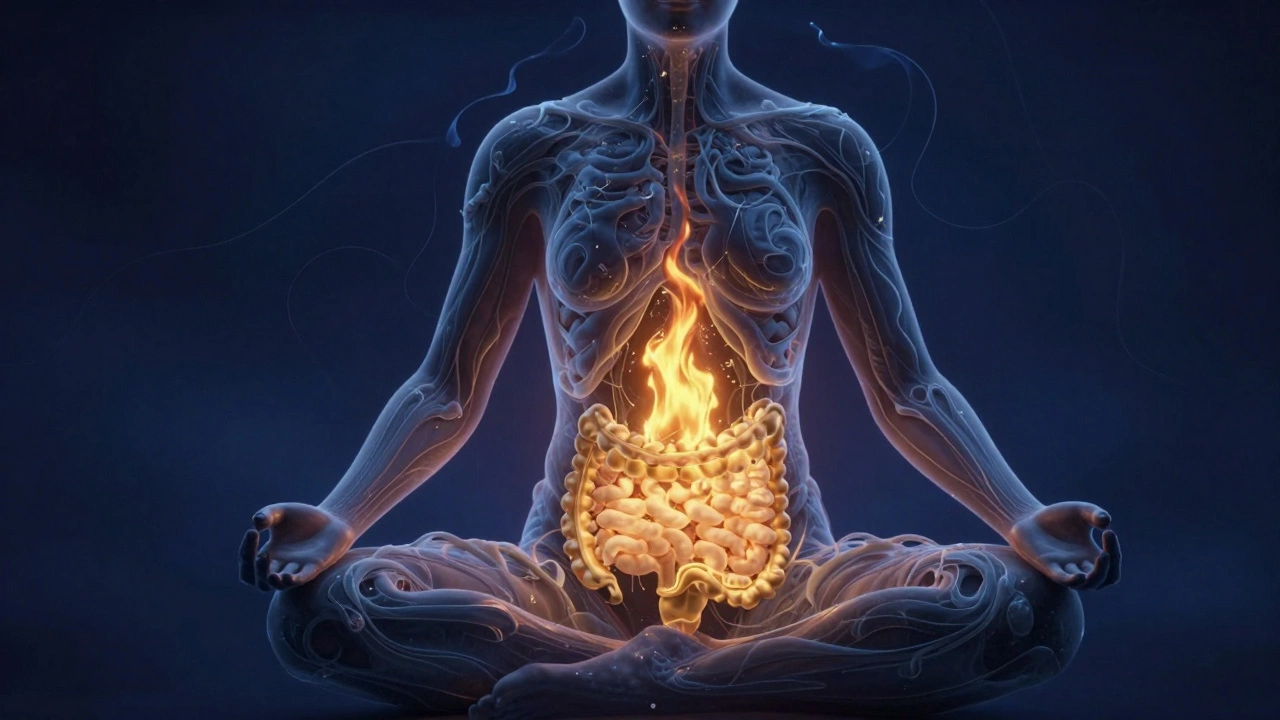
Ever feel a random stiffness in your joints or a sudden flare-up of skin redness after a weekend of indulgence? In the modern world, we call this inflammation. But in Ayurveda is a 5,000-year-old system of medicine from India that focuses on balance between mind, body, and environment. It doesn't just look at the symptom; it looks at the 'fuel' you're putting in your engine. To Ayurveda, inflammation is often the result of Ama, which is the toxic, sticky byproduct of undigested food and metabolic waste. When Ama builds up, it clogs your channels and triggers an inflammatory response.
The goal isn't just to stop the swelling but to stop creating the conditions that allow inflammation to thrive. This usually means managing your Doshas-the biological energies that govern your body. If you have a high Pitta (fire) energy, certain foods act like gasoline on a fire, making your inflammation worse.
Quick Takeaways: The Inflammation Red List
- Avoid highly processed sugars and refined flours.
- Limit excessively salty, sour, or spicy foods if you have a Pitta imbalance.
- Steer clear of "incompatible food combinations" (Viruddha Ahara).
- Reduce intake of nightshades if you suffer from chronic joint pain.
- Prioritize fresh, warm, and seasonal whole foods over frozen or packaged meals.
The primary culprits: Foods that trigger inflammation
Not all "healthy" foods are healthy for everyone. Ayurveda teaches that food is medicine, but the wrong medicine for your specific body type can be toxic. The biggest drivers of inflammation usually fall into a few specific categories.
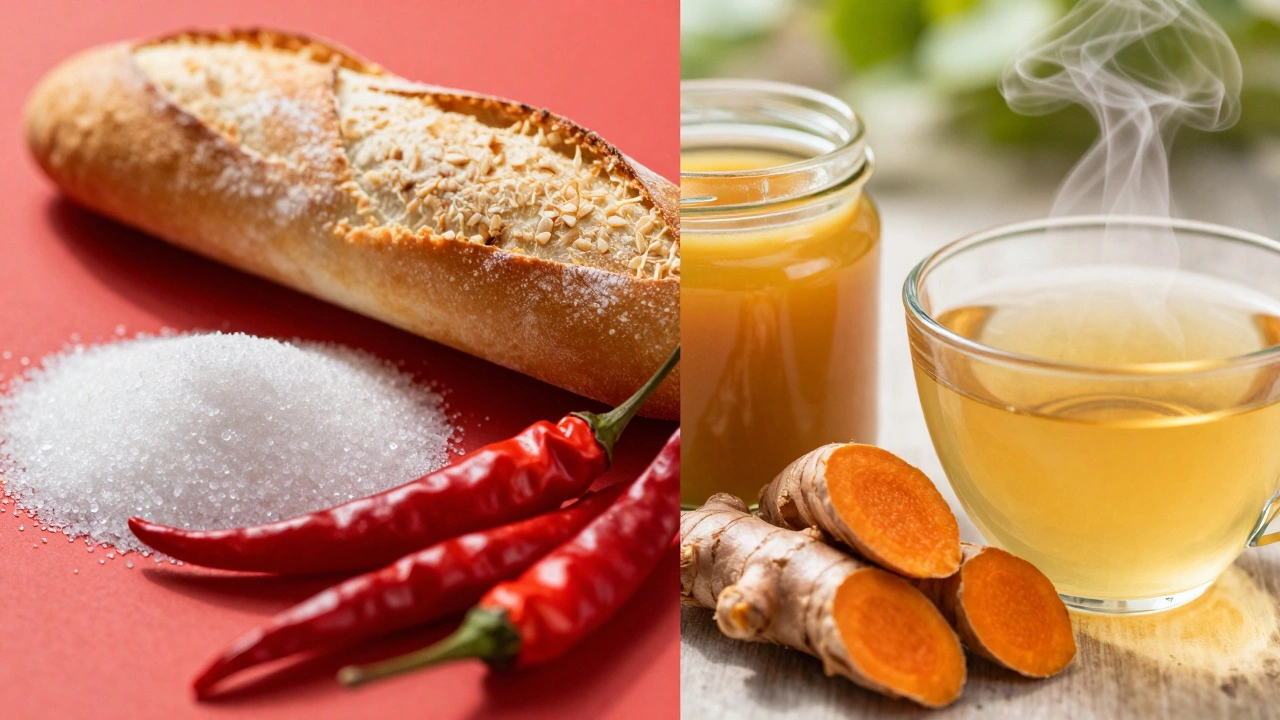
First, there are the refined sugars and flours. Think of white bread, pasta, and sugary sodas. These aren't just "empty calories"; they create a spike in blood glucose that disrupts your Agni (digestive fire). When Agni is weak, food doesn't digest fully, leading to the creation of Ama. This sticky residue settles in the joints and tissues, leading to that heavy, inflamed feeling.
Then we have the excessively salty and spicy foods. While a bit of chili can jumpstart digestion, overloading on capsaicin or high-sodium processed snacks aggravates Pitta. Imagine your internal temperature rising just a few degrees; for someone prone to inflammation, this "internal heat" manifests as acid reflux, rashes, or joint heat.
We also need to talk about nightshades. These include potatoes, tomatoes, eggplants, and peppers. While they are nutrient-dense, they contain alkaloids that can trigger inflammation in people with sensitive gut linings or autoimmune tendencies. If you've noticed that your arthritis flares up after a heavy dose of tomato sauce, your body is telling you these are inflammatory for *you*.
| Food Category | Ayurvedic Attribute | Impact on Body | Common Symptoms |
|---|---|---|---|
| Refined Sugar | Heavy / Sweet | Dampens Agni | Sluggishness, Weight Gain |
| Deep-fried Foods | Heavy / Hot | Increases Pitta | Acne, Heartburn |
| Excessive Salt | Salty / Heavy | Water Retention | Joint Swelling, Bloating |
| Fermented Foods (Excess) | Sour / Hot | Aggravates Pitta | Skin Rashes, Acid Reflux |
The danger of Viruddha Ahara (Incompatible Foods)
This is where Ayurveda differs from modern nutrition. You can eat two "healthy" foods, but if they are incompatible, they become inflammatory. This is called Viruddha Ahara. It’s not about the ingredients themselves, but how they interact in your gut.
A classic example is mixing milk with sour fruits (like oranges or strawberries). In Ayurveda, milk is cooling and sweet, while sour fruits are acidic and heating. When they meet, they create a chemical clash that slows down digestion and produces Ama. Many people experience this as a "heavy" feeling in the stomach or a sudden breakout of skin irritation. Another common clash is eating honey in hot water or cooked food; heating honey changes its molecular structure, making it difficult for the body to process and potentially inflammatory over time.
How to identify if your food is causing inflammation
You don't need a lab test to know if a food is triggering you. Your body provides real-time feedback. If you're wondering if your current diet is the culprit, look for these signs:
- The Tongue Test: Wake up and look in the mirror. A thick, white or yellowish coating on your tongue is a textbook sign of Ama accumulation.
- Post-Meal Energy: Do you feel a "food coma" or brain fog after eating? This suggests your Agni is too weak to handle the load, leading to inflammatory toxins.
- Skin Reactivity: Sudden itching, redness, or acne often points to an excess of Pitta triggered by spicy or fried foods.
- Joint Stiffness: If your fingers or knees feel stiff after a meal rich in refined flours or nightshades, you're likely dealing with systemic inflammation.
Switching to anti-inflammatory alternatives
Once you remove the triggers, you need to actively cool the fire. The secret isn't just subtraction, but addition. Instead of reaching for a processed snack, focus on foods that soothe the digestive tract and clear out toxins.
Start with Ghee (clarified butter). Unlike industrial seed oils, Ghee is highly prized in Ayurveda because it strengthens Agni without aggravating Pitta. It lubricates the joints from the inside out, acting as a natural anti-inflammatory agent. Pairing Ghee with warm, cooked vegetables-like steamed carrots or zucchini-makes nutrients easier to absorb.
Then there are the spices. While we avoid "aggressive" heat, we embrace "healing" heat. Turmeric, containing the active compound curcumin, is the gold standard for reducing joint inflammation. When combined with a pinch of black pepper, its absorption increases significantly. Ginger is another powerhouse; it’s a "universal medicine" that helps clear Ama from the system and improves circulation.
Finally, focus on hydration. But stop drinking ice-cold water. Ice water freezes your digestive fire, making it nearly impossible to process inflammatory foods. Switch to warm water or ginger tea to keep the metabolic process moving smoothly.
Are all spicy foods inflammatory in Ayurveda?
Not necessarily. It depends on your Dosha. For someone with a Vata imbalance (dry/cold), warming spices like ginger and cinnamon are actually anti-inflammatory because they stimulate digestion. However, for someone with a Pitta imbalance (hot/irritable), heavy chili and pungent spices can trigger inflammation and heat in the body.
Why is milk considered inflammatory for some?
In Ayurveda, milk is considered "heavy." If your Agni is weak, milk is hard to digest and can lead to the creation of Ama (mucus/toxins). Furthermore, when combined with incompatible foods like fruit or fish, it creates a chemical reaction that can cause skin issues and joint congestion.
Can I eat nightshades if I have joint pain?
If you notice a direct correlation between eating potatoes or tomatoes and an increase in joint stiffness, it is best to avoid them for a few weeks. Ayurveda suggests that these plants contain certain compounds that can aggravate the joints in sensitive individuals, particularly those with a Vata-Pitta imbalance.
What is the fastest way to clear Ama from my system?
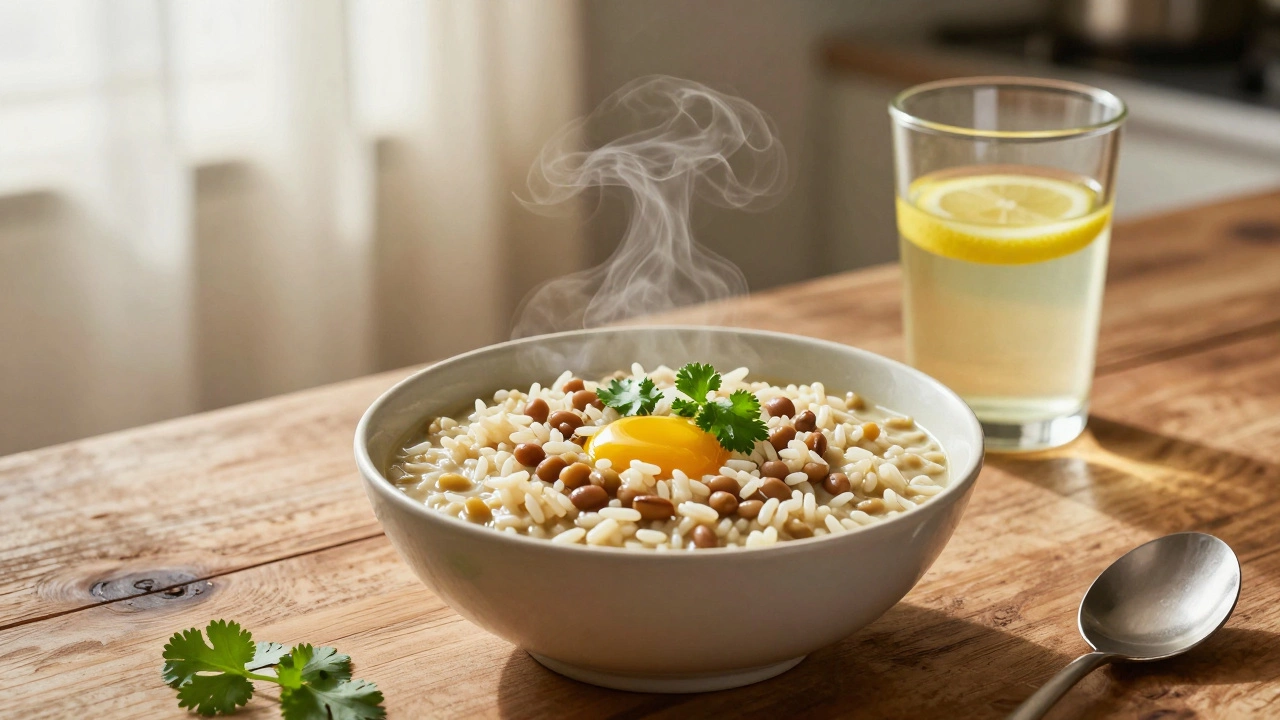
The most effective way is through "Langhana" or light eating. This could be a short fast or a diet of Kitchari (a porridge of mung beans and basmati rice). Kitchari is easy to digest, provides essential nutrients, and allows the digestive system to focus on clearing toxins rather than processing heavy foods.
Is honey inflammatory?
Raw honey is generally anti-inflammatory and helps scrape toxins from the body. However, Ayurveda strictly warns against heating honey. When honey is boiled or cooked, it becomes "burnt" and is believed to create toxins that can lead to inflammation and blockage in the channels.
Next steps for your Ayurvedic journey
If you're feeling overwhelmed, don't try to change everything overnight. Start by observing your body for one week. Keep a simple food diary and note how you feel two hours after eating-specifically looking for bloating, skin redness, or joint stiffness.
If you suspect a high level of inflammation, try a "digestive reset." For three days, replace your breakfast with warm lemon water and your lunch with a simple bowl of steamed vegetables and Ghee. This gives your Agni a chance to recover. From there, gradually reintroduce foods one by one to identify exactly which ones are the "inflammatory" triggers for your unique constitution.