Cancer Treatment: What Works, What Helps, and What You Need to Know
When we talk about cancer treatment, the medical and supportive care used to fight cancer, including surgery, chemotherapy, radiation, and newer therapies. Also known as oncology care, it’s not just about killing cells—it’s about keeping people alive, comfortable, and in control of their lives. In India, cancer treatment has changed fast. More people survive now than ever before, not because of magic pills, but because of early detection, better access, and smarter care. But it’s still messy. Some cancers can be wiped out completely. Others? They’re managed, not cured. And the journey? It’s not just about doctors and drugs—it’s about sleepless nights, lost appetite, and the quiet strength it takes to keep going.
Let’s be clear: chemotherapy side effects, the physical and emotional toll of chemo, including fatigue, nausea, and nerve pain aren’t just side notes—they’re the real battleground for most patients. The hardest days aren’t when the diagnosis hits. They’re the days after chemo, when your body feels like it’s been through a war and no one tells you how to clean up the mess. And then there’s palliative care, care focused on relieving pain and improving quality of life, not curing disease. It’s not giving up. It’s choosing dignity. Too many people think it’s only for the last days, but it should start the moment treatment begins. It’s not the opposite of cure—it’s part of it. Meanwhile, cancer survival rate, the percentage of people alive a certain number of years after diagnosis isn’t a number on a chart—it’s a person’s future. Thyroid cancer? Nearly 95% survive. Pancreatic cancer? Less than 10%. That’s not luck. It’s biology, timing, and access. And yes, some cancers—like testicular, cervical, and early-stage thyroid—are 100% curable if caught early. But that only works if you know the signs, don’t ignore them, and get checked.
What do people really need during all this? Not just more medicine. They need someone to sit with them when they’re scared. They need to know which foods help, which ones don’t, and why rest isn’t laziness—it’s part of healing. They need to hear the truth about what’s coming next, not sugar-coated promises. And they need to know they’re not alone, even when the world moves on.
Below, you’ll find real stories and straight facts about what happens when cancer takes over a body, how to spot the warning signs before it’s too late, and what actually helps when the treatment feels like it’s breaking you. No myths. No hype. Just what works—for patients, for families, for anyone trying to make sense of this.

How Long Can You Live With Stage 4 Cancer?
Stage 4 cancer doesn't mean a short timeline anymore. With modern treatments, many people live years with good quality of life. Learn how survival varies by cancer type and what treatments make the difference.

How Long Can You Live With Cancer Without Knowing?
Many cancers grow silently for years without symptoms. Learn which types hide the longest, how early detection changes survival, and what screenings you need-even if you feel fine.
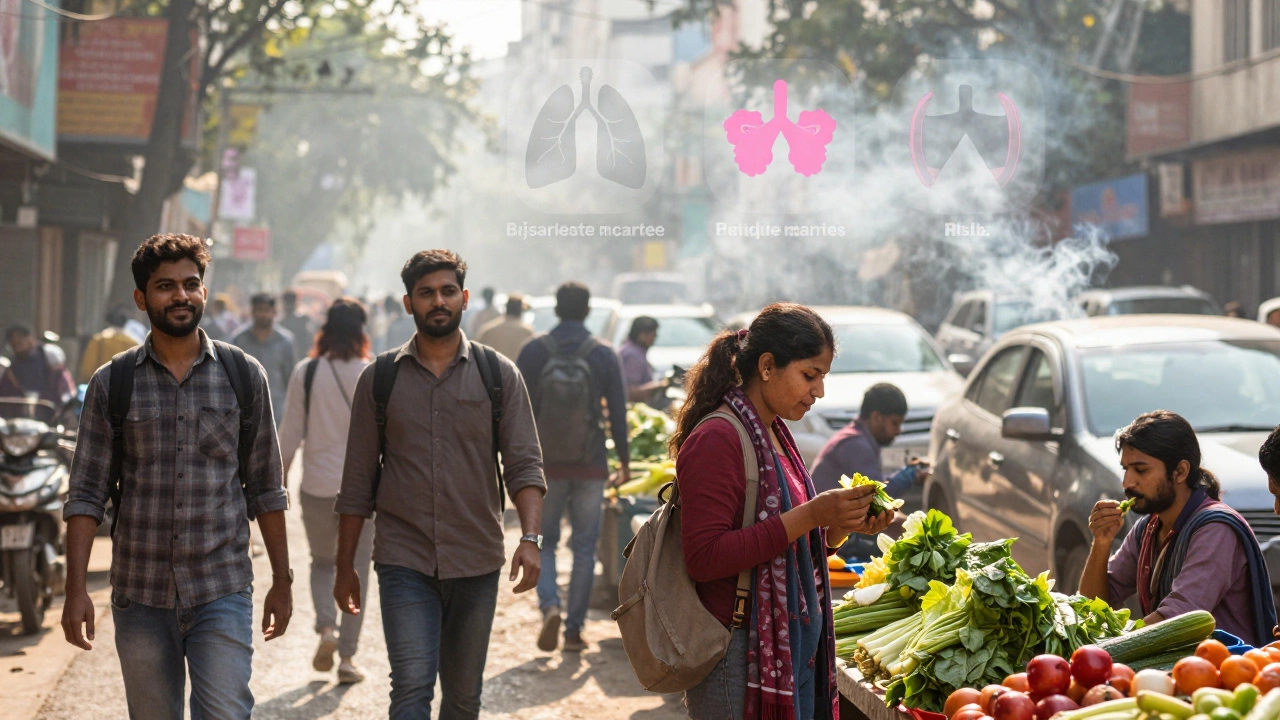
What Are 90% of All Cancers? Understanding the Most Common Types and Their Causes
90% of all cancers are carcinomas-mostly lung, breast, colorectal, and prostate. Learn the real causes, what actually prevents them, and how to act before it’s too late.
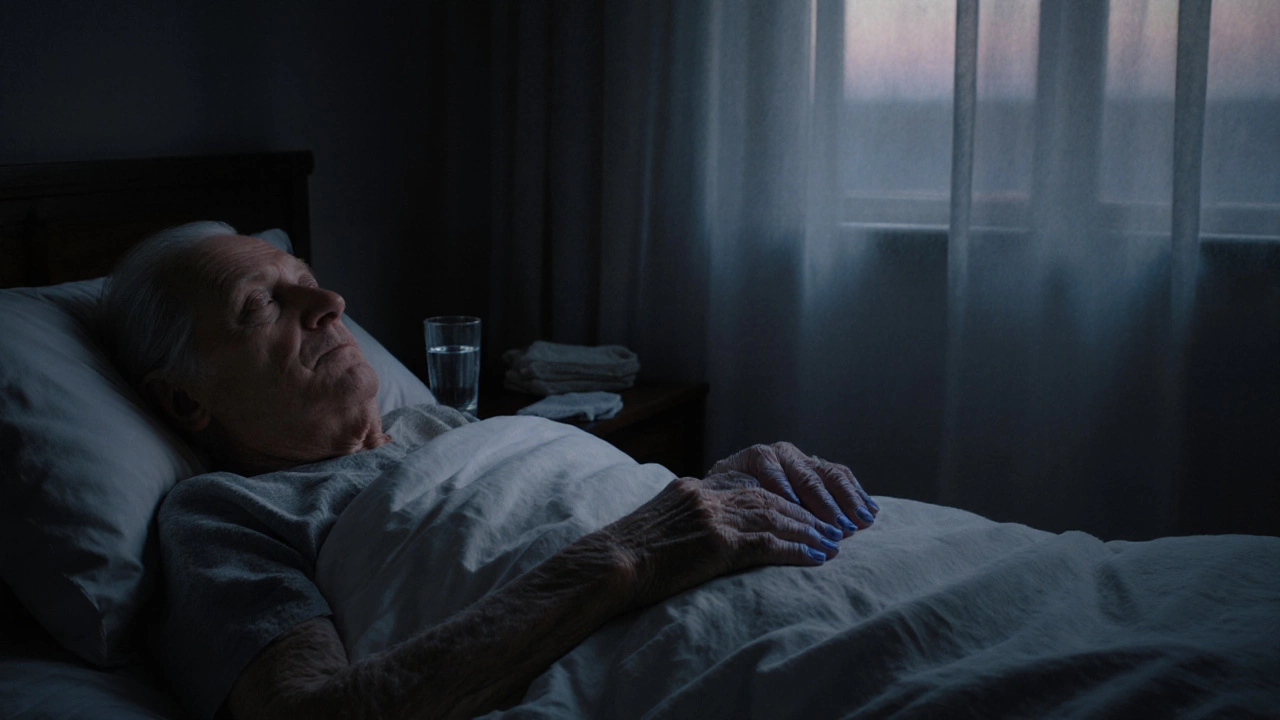
What Are the First Signs Your Body Is Shutting Down from Cancer?
Learn the quiet, natural signs your body is shutting down from advanced cancer-loss of appetite, increased sleep, cold limbs, changed breathing, and more. These are not emergencies. They're part of the body's final journey.
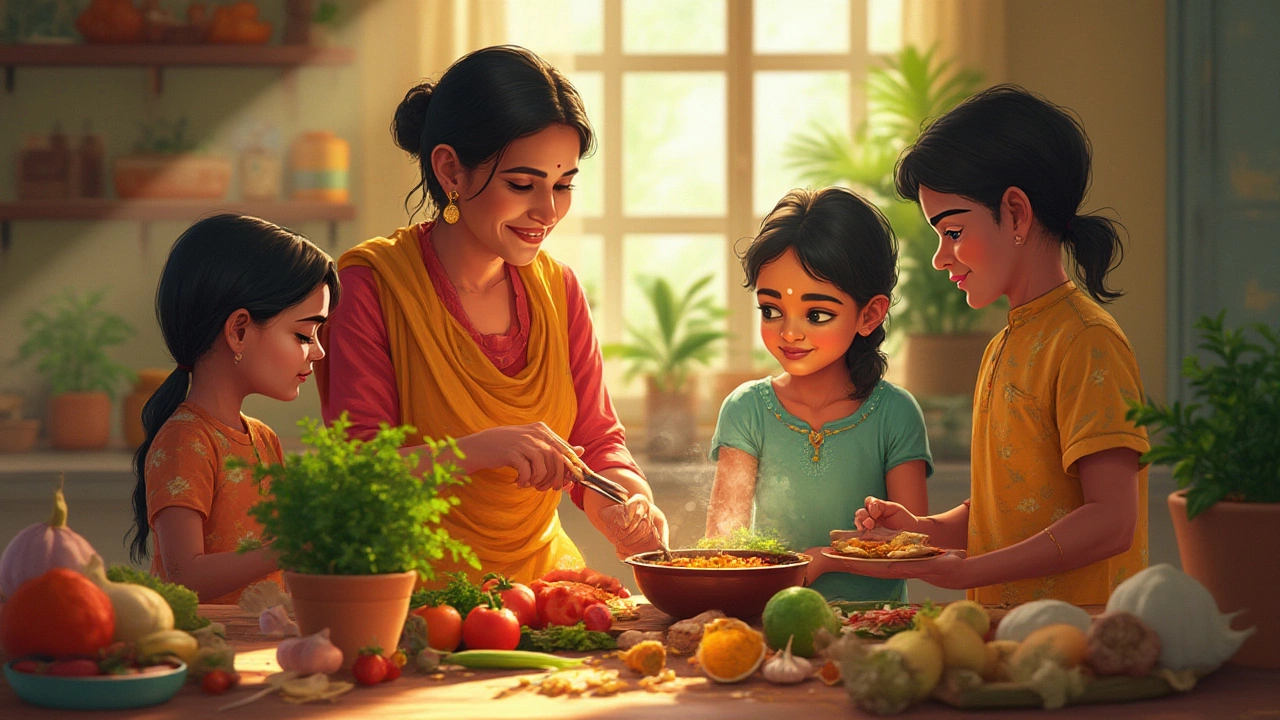
How to Destroy Cancer Cells Naturally: Effective Tips and Scientific Insights
Discover real, science-backed ways to destroy cancer cells naturally, from diet and daily habits to managing inflammation and reducing risk.
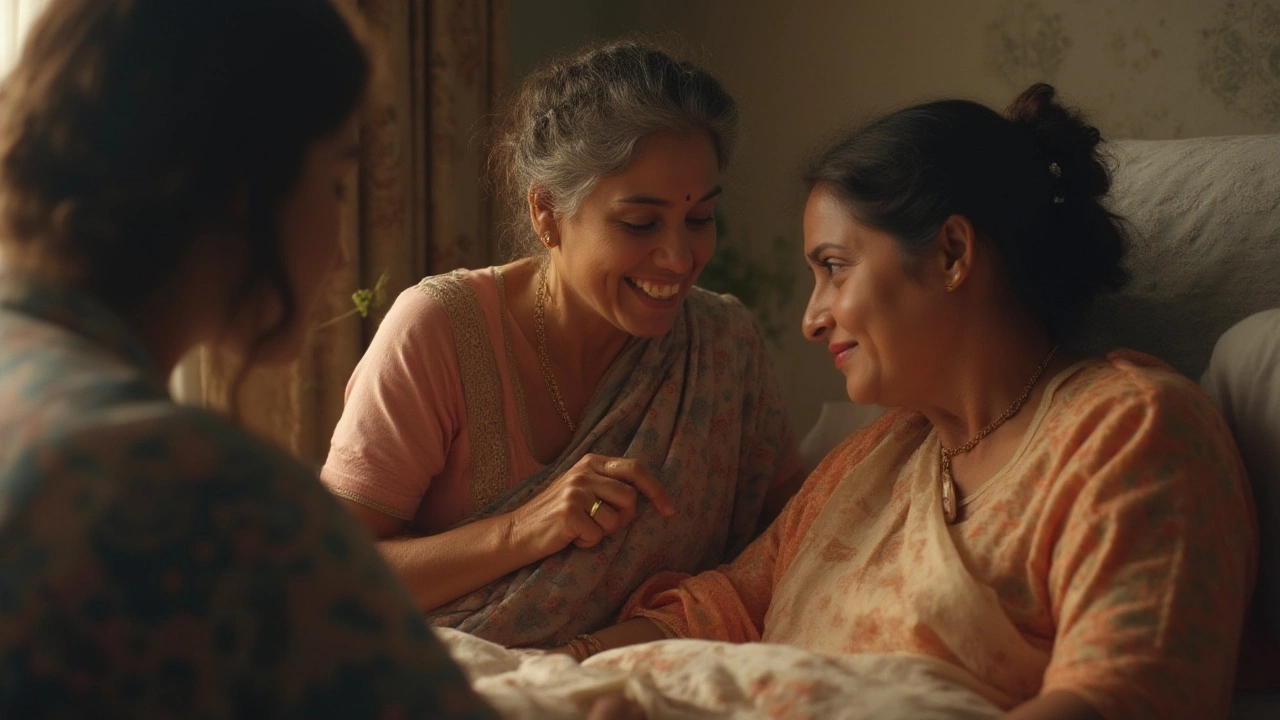
Hardest Days After Chemotherapy: Symptoms, Recovery & Helpful Tips
Navigating the toughest days after chemotherapy isn’t just about waiting for things to get better. Understand which days are hardest, what symptoms to expect, and practical tips that really help.
Cancer Patients: What They Really Need Most During Treatment
Cancer patients need more than just medicine. This article gets straight to the point about what really matters, from honest conversations with doctors to the little things that make tough days easier. You'll find out what helps with side effects, why emotional support is a game changer, and which practical tricks actually help in daily life. It's a down-to-earth guide, full of real advice for anyone facing cancer or caring for someone who is. The goal? Making every day a little easier.

Which Cancers Are 100% Curable? The Truth About Cure Rates
Wondering if any cancers are fully curable? This article looks at which types of cancer can be completely wiped out, what 'cure' really means in medicine, and the role early diagnosis and treatment play. It cuts through hype and myths to show the real numbers behind cancer cure rates in 2025. Expect helpful facts and tips to make sense of this complicated topic.
Is It Possible? Understanding 100% Curable Cancers
We've all heard the term 'cancer', and it often comes with a lot of fear and anxiety. But did you know that there are cancers with a high chance of being completely cured? This article dives into these types, what makes them curable, and the treatments that make it possible. Understanding which cancers are highly treatable brings hope and awareness, helping to ease some of the fear surrounding the disease.
What Happens in the Last 6 Months of Cancer?
Navigating the last six months of a cancer journey is challenging, both for patients and loved ones. This period focuses on symptom management and quality of life, often involving palliative care to relieve pain and discomfort. Understanding the emotional and physical changes can help in making informed decisions. Support networks play a critical role, providing practical and emotional help. Preparing for this time can empower both the patient and their family to face these challenges with compassion.
Cancer with the Lowest Survival Rate
Pancreatic cancer, with its low survival statistics, remains one of the deadliest forms of cancer. Early detection is challenging, making it crucial for readers to understand its risks, symptoms, and current treatment approaches. Knowing what factors contribute to its severity can aid in awareness and potentially prompt earlier medical consultations. The article delves into the specifics of why pancreatic cancer is so deadly and what ongoing research is doing to improve outcomes.

Exploring Thyroid Cancer's Remarkable 95% Survival Rate
Thyroid cancer stands out with a remarkable 95% survival rate, offering hope in the world of cancer diagnosis. This article delves into why thyroid cancer, despite being a daunting topic, often leads to successful outcomes. From advances in treatment to the characteristics that make it less aggressive, discover why the prognosis is optimistic for those diagnosed with this particular type. We’ll also talk about its treatments, risk factors, and offer insights into what contributes to its high survival rates.
Recent Posts

Unveiling the 7-Step Korean Skincare Routine for Radiant Skin
January 23, 2025

The Truth About Herbal Supplements: Do They Really Work?
January 1, 2025