Cancer Prevention Risk Calculator
Assess Your Preventable Cancer Risk
90% of cancers are linked to lifestyle factors. This tool shows how your habits impact your risk.
When people hear the word cancer, they often think of rare, aggressive diseases that strike suddenly. But the truth is, 90% of all cancers aren’t mysterious outliers-they’re made up of just a few common types. These cancers don’t come out of nowhere. They grow slowly, often for years, and are tied to everyday habits, environment, and aging. Knowing which cancers make up this 90% isn’t just academic-it’s the first step toward preventing them.
What Exactly Makes Up 90% of Cancers?
The 90% figure doesn’t mean 90% of people get cancer. It means that 90% of all cancer diagnoses worldwide fall into five main categories. These are not rare subtypes or genetic oddities. They’re the cancers doctors see every day in clinics, hospitals, and screening centers-from Bangalore to Boston.
Here’s the breakdown:
- Carcinomas - 80-85% of all cancers. These start in the skin or the tissue lining organs like the lungs, breasts, colon, and prostate.
- Sarcomas - less than 1%. These begin in bone, fat, muscle, or connective tissue.
- Leukemias - about 3-4%. Blood cancers that start in bone marrow.
- Lymphomas - about 4-5%. Cancers of the immune system, especially lymph nodes.
- Central nervous system cancers - less than 2%. Brain and spinal cord tumors.
That means if you’re diagnosed with cancer, there’s a 9 in 10 chance it’s a carcinoma. And among carcinomas, four types dominate: lung, breast, colorectal, and prostate. Together, they account for nearly 60% of all cancer cases globally.
Why Carcinomas Dominate: The Real Culprits
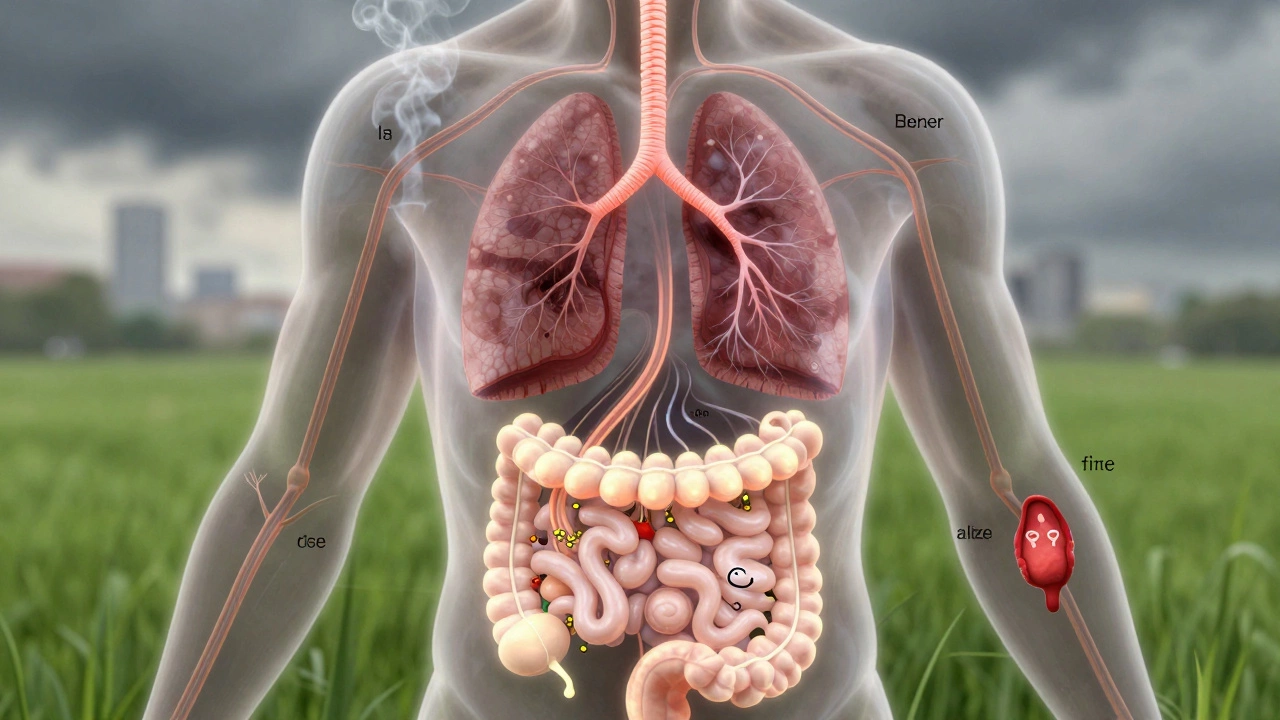
Why do carcinomas make up so much of the cancer burden? Because they form in tissues that are constantly exposed to damage. Your skin touches the sun. Your lungs breathe polluted air. Your colon digests processed food. Your breast tissue responds to hormones over decades. These aren’t random events-they’re repeated exposures that wear down your cells’ repair systems.
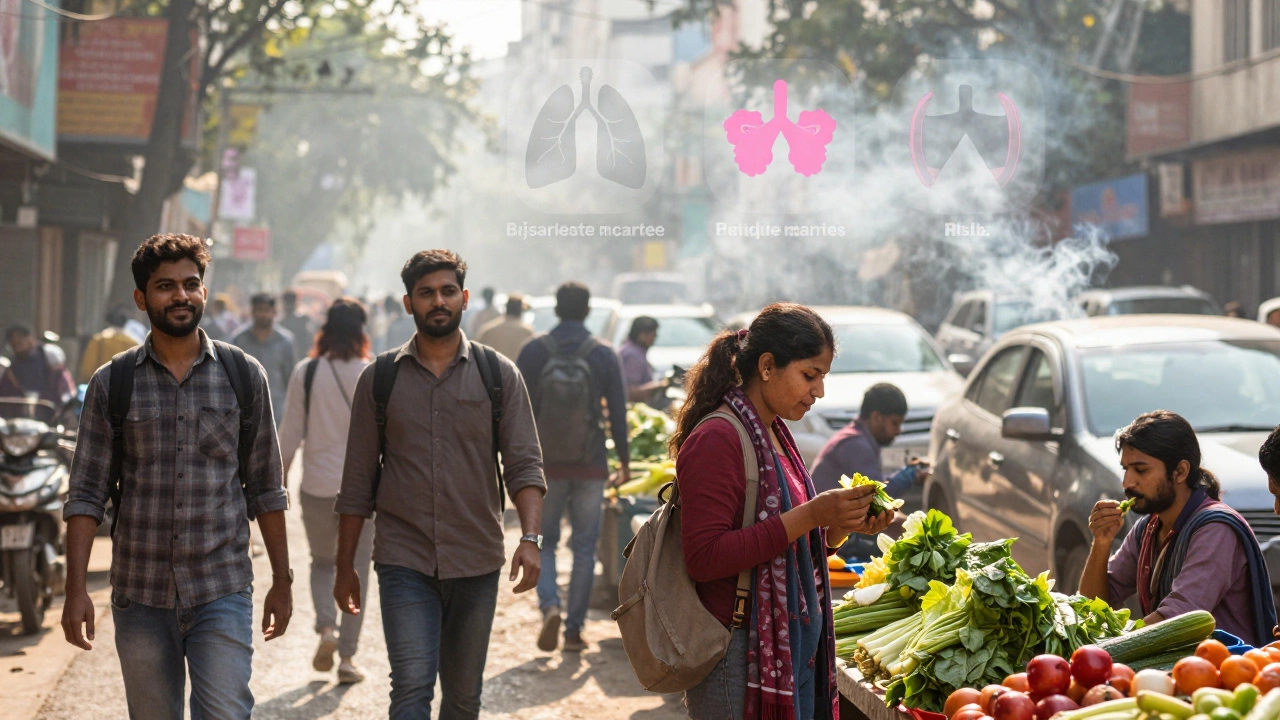
Take lung cancer. Around 80% of cases are linked to smoking or secondhand smoke. Even in places like India, where smoking rates are dropping, air pollution-especially in cities like Delhi and Bangalore-is now a leading cause in non-smokers. A 2024 study from the Indian Council of Medical Research found that over 15% of lung cancer cases in urban women had no history of smoking but were exposed to high levels of PM2.5 particles.
Breast cancer, the most common cancer in women worldwide, isn’t caused by one thing. It’s a mix of hormones, lifestyle, and genetics. Women who delay childbirth, don’t breastfeed, or carry excess weight after menopause have higher risk. Alcohol use adds to it. In India, breast cancer rates have risen 40% since 2000, partly because of changing diets and sedentary jobs.
Colorectal cancer is growing fast in younger adults under 50. In the U.S., cases in this group have doubled since the 1990s. In India, it’s rising too-not because of genetics, but because of diets high in red meat, low in fiber, and full of ultra-processed snacks. Lack of physical activity and obesity make it worse.
Prostate cancer is slow-growing but common in men over 60. It’s not caused by one habit, but by aging and hormones. Men with a family history, or those of African descent, face higher risk. In India, awareness is still low. Many men wait until symptoms appear-by then, it’s often advanced.
What You Can Actually Do About It
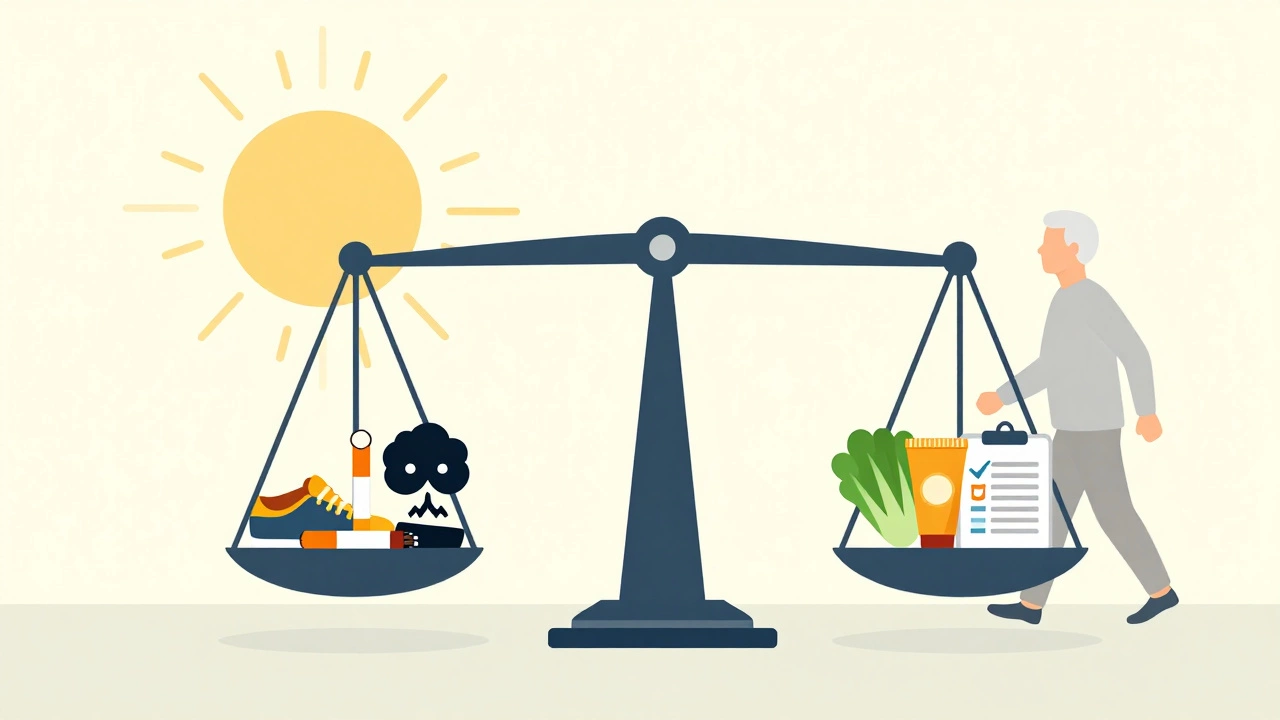
If 90% of cancers are these common types, then 90% of prevention is also about common sense. You don’t need expensive tests or miracle supplements. You need to change a few daily habits.
- Don’t smoke. Avoid secondhand smoke. Quitting at any age reduces lung cancer risk. Even after 10 years, your risk drops by half.
- Move every day. Just 30 minutes of brisk walking five days a week cuts colorectal and breast cancer risk by 20-30%.
- Eat real food. Fill half your plate with vegetables, fruits, beans, and whole grains. Limit red meat. Avoid sugary drinks and packaged snacks. Fiber keeps your colon healthy. Antioxidants in plants help repair cell damage.
- Protect your skin. Use sunscreen daily, even in winter. Wear hats and avoid the sun between 10 a.m. and 4 p.m. Skin cancer is one of the easiest to prevent.
- Get screened. For breast cancer: mammograms every 1-2 years after 40. For colorectal cancer: colonoscopy every 10 years after 45. For prostate: talk to your doctor about PSA testing after 50. These tests catch cancer early-when it’s easiest to treat.
Screening isn’t just for older people. Colorectal cancer is now rising in people in their 30s and 40s. If you have a family history, start earlier. If you’re overweight or have diabetes, talk to your doctor about your risk.
What Doesn’t Work
There’s a lot of noise out there. You’ll hear that turmeric cures cancer. That alkaline diets kill tumors. That cell phones cause brain cancer. None of these are backed by strong evidence.
Turmeric has anti-inflammatory properties, yes. But eating curry won’t stop a tumor from forming. Alkaline diets don’t change your blood pH-your body regulates that tightly. Cell phones emit non-ionizing radiation, which doesn’t damage DNA like UV rays or cigarette smoke do.
Don’t waste money on unproven supplements. Don’t delay real screening because you’re waiting for a ‘natural’ fix. Prevention isn’t about magic potions. It’s about consistency: eating well, moving, avoiding toxins, and getting checked.
The Big Picture: Why This Matters Now
By 2030, India is expected to see a 120% increase in cancer cases. Most of that growth will come from these five common cancers. Urbanization, processed food, pollution, and aging populations are driving it. But it’s not inevitable.
Japan reduced stomach cancer deaths by 60% over 30 years by cutting salt intake and treating H. pylori infections. Finland cut heart disease by promoting healthier fats and exercise. India can do the same for cancer.
It starts with awareness. If you know that 90% of cancers are preventable, you stop seeing them as bad luck. You start seeing them as choices-yours and your family’s.
It’s not about being perfect. It’s about progress. One less sugary drink. One more walk. One screening you didn’t skip. Those small steps add up. They don’t just lower your risk. They give you more years-healthy, active, present.
What About Genetic Risk?
Some people worry they’re doomed because of family history. Yes, about 5-10% of cancers are linked to inherited genes like BRCA1 or Lynch syndrome. But even then, having the gene doesn’t mean you’ll get cancer. It just means you need to act earlier and more aggressively.
Women with BRCA mutations can reduce breast cancer risk by 90% with preventive surgery or intense screening. Men with Lynch syndrome can cut colorectal cancer risk by 60% with regular colonoscopies. Genetics isn’t fate. It’s a warning sign.
If you have three or more close relatives with the same cancer-especially if they were diagnosed before 50-talk to a genetic counselor. Testing isn’t for everyone. But for some, it’s life-saving.
Final Thought: You’re Not Powerless
Cancer feels big. It feels random. But the truth is, the same forces that cause most cancers are the ones you can control. You don’t need to be a scientist to prevent them. You just need to know the facts and act on them.
Every year, millions of people avoid cancer-not by luck, but by choosing to eat better, move more, and get checked. That’s the real story behind the 90%.
You can be one of them.
What are the top 4 cancers that make up 60% of all cases?
The top four cancers-lung, breast, colorectal, and prostate-account for nearly 60% of all cancer diagnoses worldwide. Lung cancer is strongly tied to smoking and air pollution. Breast cancer is linked to hormones, weight, and alcohol. Colorectal cancer rises with processed diets and inactivity. Prostate cancer increases with age and family history.
Is cancer mostly caused by bad luck?
No. While random cell mutations happen, 90% of cancers are linked to lifestyle and environmental factors. Smoking, poor diet, lack of exercise, alcohol, obesity, and pollution are the main drivers. Even cancers like breast and prostate, which seem random, are strongly influenced by these factors. Only 5-10% are due to inherited genes.
Can I prevent cancer if I’m already over 50?
Yes. Quitting smoking at 60 still cuts lung cancer risk. Starting regular walking after 50 lowers colon and breast cancer risk. Getting screened after 50 catches cancer early when treatment is most effective. It’s never too late to reduce your risk or catch cancer before it spreads.
Do supplements like turmeric or vitamin D prevent cancer?
No strong evidence shows that supplements prevent cancer. Turmeric has anti-inflammatory effects, but eating curry won’t stop tumors. Vitamin D deficiency may raise risk, but taking pills won’t fix it if your diet and sun exposure are poor. Real food, movement, and avoiding toxins work better than any pill.
Why is colorectal cancer rising in younger people?
Diets high in processed meats, sugar, and refined carbs, combined with low fiber, lack of exercise, and rising obesity rates, are driving this trend. Younger adults today are exposed to these factors earlier and longer than previous generations. Screening now starts at 45 in many countries because of this shift.
Should I get genetic testing for cancer risk?
Only if you have a strong family history-like three or more close relatives with the same cancer, especially if diagnosed before age 50. Genetic testing isn’t for everyone. But for those who qualify, it can lead to earlier screening or preventive steps that save lives.