Stage 4 Cancer Survival Calculator
Understand Your Survival Expectations
This calculator provides median survival estimates based on cancer type and treatment options. Remember, these are statistical averages and your individual experience may vary significantly based on treatment response, overall health, and access to new therapies.
Survival Estimate
Select your cancer type and treatment options to see your estimated survival duration.
When someone hears the words stage 4 cancer, fear often follows. It’s the stage doctors use to describe cancer that has spread beyond its original site to other parts of the body. But what does that really mean for how long you might live? There’s no single answer - because cancer isn’t one disease. It’s dozens, each with different behaviors, treatments, and outcomes.
What Stage 4 Cancer Actually Means
Stage 4 means the cancer has metastasized - it’s moved from where it started to distant organs. For example, breast cancer that spreads to the bones, liver, or lungs is still called breast cancer, not bone cancer. The original tumor type matters just as much as how far it’s spread. Some cancers, like testicular or thyroid cancer, can spread widely and still be highly treatable. Others, like pancreatic or liver cancer, are harder to control once they’ve spread.
The key thing to understand: stage 4 doesn’t always mean terminal. It means the cancer is systemic. Treatment goals shift from curing to controlling - slowing growth, easing symptoms, and keeping quality of life as high as possible. Many people live for years with stage 4 cancer, especially with newer treatments.
Survival Rates: Numbers Don’t Tell the Whole Story
Statistics often say 5-year survival for stage 4 cancer is around 20% to 30%. But those numbers are based on people diagnosed years ago. Today’s treatments are better. Drugs like immunotherapy, targeted therapy, and precision medicine have changed the game.
Take lung cancer. In 2010, stage 4 non-small cell lung cancer had a median survival of 8 to 12 months. Today, with EGFR or ALK inhibitors and checkpoint inhibitors, many patients live 3 to 5 years - and some even longer. One 2023 study in the Journal of Clinical Oncology found that 22% of stage 4 lung cancer patients survived beyond 5 years, up from just 5% a decade earlier.
Same with melanoma. Five years ago, stage 4 melanoma survival was under 10%. Now, with combination immunotherapies, over 40% of patients are alive at the 5-year mark. These aren’t rare exceptions. They’re becoming common.
It Depends on the Type of Cancer
Not all stage 4 cancers are the same. Here’s what survival looks like today for some common types:
| Cancer Type | Median Survival (Years) | Treatment Advances |
|---|---|---|
| Non-small cell lung cancer | 2.5-4.0 | Targeted therapy, immunotherapy |
| Breast cancer (HR+/HER2-) | 4.0-6.0 | Hormone therapy, CDK4/6 inhibitors |
| Colorectal cancer | 2.0-3.5 | Biologics, liver-directed therapies |
| Prostate cancer | 5.0-7.0+ | Androgen deprivation, PARP inhibitors |
| Pancreatic cancer | 0.7-1.2 | FOLFIRINOX, clinical trials |
| Melanoma | 3.0-5.0+ | Immunotherapy combinations |
Notice how prostate cancer often lives for years - sometimes over a decade - even at stage 4. Hormone therapy can keep it in check for a long time. Breast cancer, especially if it’s hormone-sensitive, can be managed like a chronic illness. But pancreatic cancer? It’s still tough. That’s why research is focused on early detection and new drug combinations.

Treatment Can Extend Life - and Improve It
People often assume stage 4 means only chemo and suffering. But modern care is different. Treatments now include:
- Targeted therapy - drugs that attack specific mutations in cancer cells (like BRAF inhibitors for melanoma).
- Immunotherapy - unleashing your immune system to find and destroy cancer (PD-1 and CTLA-4 inhibitors).
- Hormonal therapy - used for cancers fueled by hormones (breast, prostate).
- Radiation for symptom control - not to cure, but to shrink tumors causing pain or bleeding.
- Local treatments - surgery or ablation for isolated metastases (like removing one liver tumor while controlling others with drugs).
Many patients get these treatments in cycles. Some take pills daily. Others get infusions every few weeks. Side effects are often mild compared to older chemo. Fatigue, nausea, or skin rashes are common - but many people work, travel, and spend time with family while on treatment.
What Really Influences How Long You Live?
It’s not just the cancer. It’s you - your body, your choices, your support system.
- Genetics - Some people have mutations that make cancer respond better to treatment. Genetic testing can reveal these.
- Overall health - People with strong hearts, lungs, kidneys, and immune systems handle treatment better.
- Access to care - Getting the right drugs at the right time makes a huge difference. In places like India, access to newer therapies is growing fast, especially in major cities like Bangalore.
- Mental and emotional health - Stress doesn’t cause cancer, but it can weaken your body’s ability to respond. Support groups, counseling, and mindfulness practices help.
- Willingness to try new options - Clinical trials aren’t just for last-resort cases. Many patients join trials early and live longer because of them.
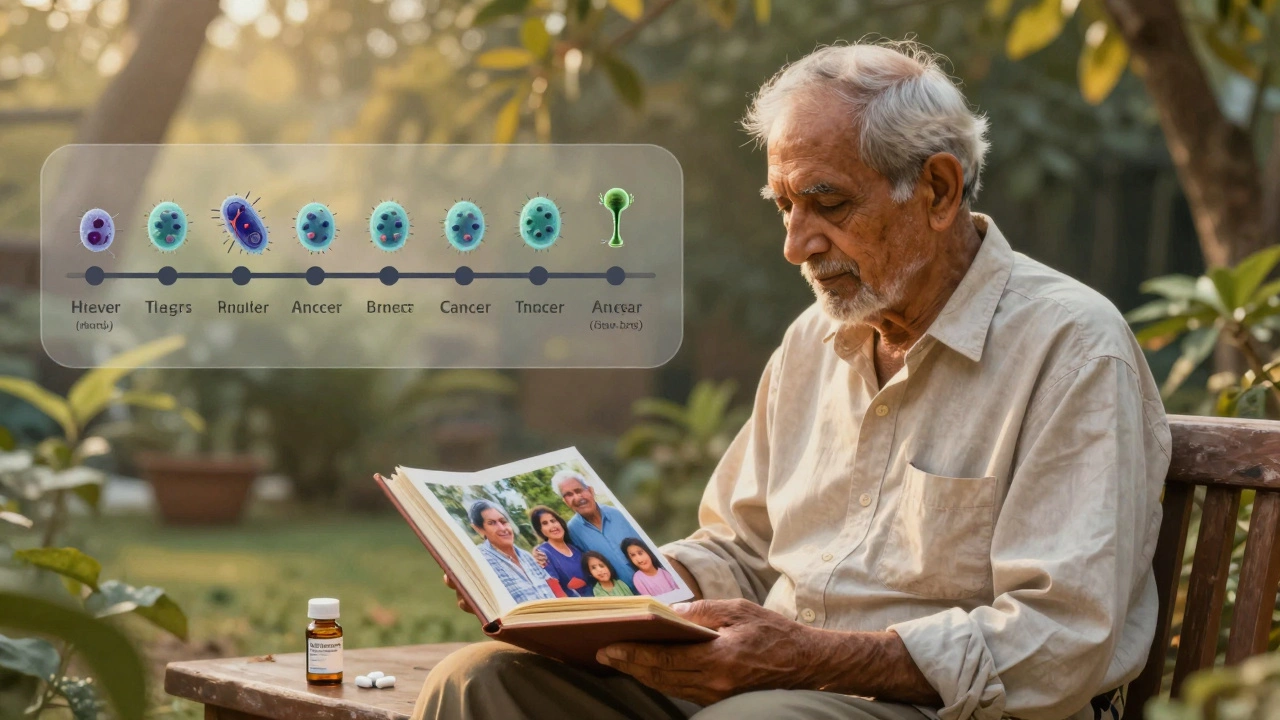
One woman in Bangalore, diagnosed with stage 4 breast cancer in 2022, is now in her third year of treatment. She takes oral medication, exercises daily, and attends a support group. She says, "I don’t think of myself as dying. I think of myself as managing something I can live with."
Hope Isn’t a Lie - It’s a Strategy
Some doctors still tell patients, "You have six months." That’s outdated. The reality is: no one can predict exactly how long you’ll live. But we can say this - many people live far longer than they’re told. And more are living well.
Survival isn’t just about time. It’s about how you live that time. Many people with stage 4 cancer find new meaning - in travel, art, family, advocacy. Some start businesses. Others write books. They don’t wait for death. They live.
If you or someone you love is facing stage 4 cancer, ask for a second opinion. Ask about clinical trials. Ask about supportive care. Don’t let fear silence your questions. Medicine is moving faster than ever. What’s true today might be outdated tomorrow.
What You Can Do Right Now
- Get a full genetic profile of your cancer - it can open doors to targeted treatments.
- Ask if you’re eligible for a clinical trial - even if you’re not at the end of options.
- Work with a palliative care team - they don’t just manage pain, they help you live better.
- Connect with others - online communities and local support groups reduce isolation.
- Focus on what you can control: nutrition, sleep, movement, emotional support.
Stage 4 cancer is not a death sentence. It’s a new chapter - harder, more complex, but still full of possibility.
Can you survive stage 4 cancer?
Yes, many people do. Survival rates have improved dramatically over the last decade. While stage 4 cancer is serious, treatments like immunotherapy, targeted drugs, and hormone therapy can control the disease for years. Some patients live 5, 10, or even more years with a good quality of life.
Is stage 4 cancer always fatal?
No. While stage 4 cancer is advanced and often not curable, it’s not always fatal in the short term. Some cancers, like prostate or breast cancer, can be managed as chronic conditions. Survival depends on the cancer type, molecular profile, overall health, and access to modern treatments.
What’s the longest someone has lived with stage 4 cancer?
There are documented cases of people living over 15 years with stage 4 cancer. For example, some men with hormone-sensitive prostate cancer have lived more than 15 years after diagnosis using a combination of hormone therapy and newer drugs. Others with breast cancer or melanoma have reached 10+ years with ongoing treatment and stable disease.
Does chemotherapy cure stage 4 cancer?
Chemotherapy rarely cures stage 4 cancer. Its main role is to slow growth, shrink tumors, and ease symptoms. Newer treatments like targeted therapy and immunotherapy are often more effective and have fewer side effects. Many patients now avoid traditional chemo altogether, depending on their cancer type.
Can lifestyle changes help with stage 4 cancer?
Yes. While lifestyle changes don’t eliminate cancer, they can improve treatment response and quality of life. Eating well, staying active, sleeping enough, and reducing stress help your body handle treatment better. Many patients report fewer side effects and more energy when they focus on these areas.
Are clinical trials worth trying for stage 4 cancer?
Absolutely. Clinical trials aren’t just for people with no other options. Many breakthroughs - like immunotherapy drugs - were first tested in stage 4 patients. Joining a trial can give access to cutting-edge treatments years before they’re widely available. In cities like Bangalore, major hospitals offer dozens of active trials.
Next Steps: What to Do If You’re Facing Stage 4 Cancer
Start by asking for a molecular profiling test. This looks at the DNA of your tumor and finds targets for treatment. Ask your oncologist about clinical trials - don’t wait until everything else fails. Talk to a palliative care specialist - they help with pain, anxiety, and planning, not just end-of-life care. And don’t isolate yourself. Talk to others who’ve been there. You’re not alone - and medicine is on your side.