Cancer Detection Timeline Estimator
Estimated Detection Timeline
- Annual mammograms for women over 40
- Colonoscopy starting at 45-50 years
- PSA testing for men over 50
- Regular checkups for family history
Some people live with cancer for years without knowing it. Not because they ignored symptoms, but because there were no symptoms at all. Cancer doesn’t always scream. Sometimes, it whispers-so quietly that your body doesn’t even notice it’s under attack until it’s too late.
Why Some Cancers Stay Hidden
Not all cancers cause pain, weight loss, or fatigue right away. Certain types grow slowly and don’t press on nerves or organs until they’re large or have spread. Pancreatic cancer, for example, often shows no signs until it’s reached stage III or IV. By then, it’s spread to the liver or nearby blood vessels. Ovarian cancer behaves the same way-bloating or indigestion gets dismissed as stress or aging. In fact, nearly 70% of ovarian cancer cases are diagnosed after the disease has moved beyond the ovaries.
Prostate cancer is another silent player. Many men over 60 have slow-growing prostate tumors that never cause trouble. Some never need treatment. But others develop aggressive forms that spread silently through the bloodstream. Without regular PSA tests, they might not know until they feel bone pain or have trouble urinating.
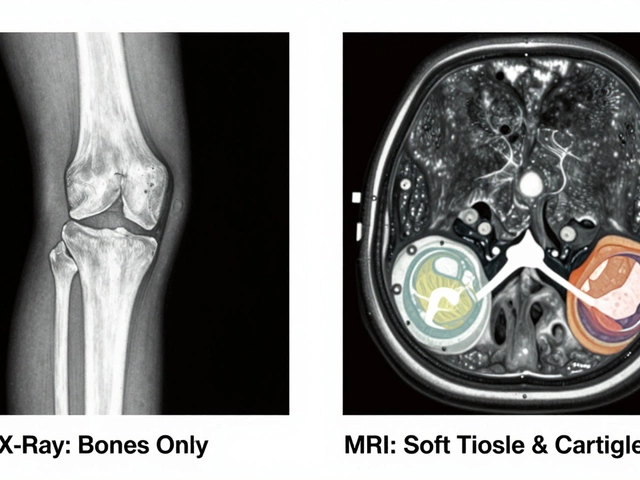
Lung cancer in non-smokers is often found by accident-during a chest X-ray for pneumonia or a CT scan after a car accident. The tumor was there for months, maybe years, growing in the lung’s outer edges where nerves are sparse. No cough. No blood. No warning.
How Long Can You Really Live With Undiagnosed Cancer?
There’s no single answer. It depends on the type, the person’s age, genetics, and lifestyle. But studies show people can live with certain cancers for 5 to 10 years without knowing.
A 2023 study in the Journal of Clinical Oncology followed 1,200 adults who were diagnosed with early-stage cancers after routine screening. Nearly 30% of them reported no symptoms for at least 3 years before detection. Some had tumors the size of an orange in their liver or kidneys and felt perfectly fine.
Thyroid cancer, especially papillary type, often grows so slowly that people live with it into their 80s without ever needing treatment. Autopsy studies show that up to 10% of people who die of other causes have undiagnosed thyroid cancer. Their bodies never reacted to it. Their immune systems didn’t fight it. It just sat there.
But here’s the catch: living with it doesn’t mean it’s harmless. Even slow-growing cancers can suddenly change. A mutation can make them aggressive. A single cell can break off and travel to the bones, brain, or lungs. That’s when things go from silent to deadly.
Which Cancers Are Most Likely to Go Undetected?
Here are the top five cancers that often hide without symptoms:
- Pancreatic cancer: No early warning signs. Symptoms like jaundice or stomach pain appear only after the tumor blocks bile ducts or spreads.
- Ovarian cancer: Bloating, feeling full fast, pelvic pressure-easily mistaken for IBS or menopause.
- Lung cancer: Especially in non-smokers. No cough, no wheezing. Found on scans for unrelated issues.
- Prostate cancer: Slow-growing forms may never cause problems. Aggressive forms spread silently to bones.
- Kidney cancer: Blood in urine is rare early on. Pain comes late, when the tumor is large or has spread.
These cancers don’t have reliable early symptoms. That’s why screening matters more than waiting for pain.

Screening Saves Lives-Even If You Feel Fine
Feeling healthy doesn’t mean you’re cancer-free. Screening isn’t about symptoms. It’s about catching cancer before symptoms appear.
In India, cervical cancer screening with Pap smears has reduced deaths by over 40% in cities with access to regular testing. Mammograms for women over 40 cut breast cancer deaths by 20-30% in countries with national programs. Colonoscopies find and remove precancerous polyps before they turn into tumors.
But many people skip screenings because they feel fine. They think, “If I had cancer, I’d know.” That belief kills more people than the disease itself.
Men over 50 should talk to their doctor about prostate cancer screening. Women over 40 should get annual mammograms. People with a family history of colon cancer should start colonoscopies at 40, not 50. High-risk groups-like those with BRCA mutations or chronic hepatitis-need tailored screening plans.
Even if you’re healthy, your body changes after 40. What was normal at 35 isn’t the same at 55. A routine blood test might show elevated liver enzymes. A simple ultrasound could reveal a kidney mass. Don’t wait for pain. Ask for tests.
What Happens When Cancer Is Found Late?
When cancer is found after it’s spread, treatment becomes harder, costlier, and less effective. Survival rates drop sharply.
For pancreatic cancer, the 5-year survival rate is under 10% if found after spreading. But if caught early-before it leaves the pancreas-it jumps to nearly 40%. That’s a fourfold difference.
Stage I lung cancer has an 80%+ survival rate with surgery. Stage IV? Less than 10%. The difference isn’t just in treatment. It’s in quality of life. Early-stage patients can work, travel, eat normally. Late-stage patients often spend months in hospitals, in pain, on oxygen.
And the cost? In India, a full course of chemotherapy for advanced cancer can run over ₹15 lakh. Early detection might only need a minor surgery and a few follow-ups-costing under ₹1 lakh.
What You Can Do Right Now
You don’t need to be scared. You just need to be smart.
- Know your family history. If a close relative had cancer before 50, you’re at higher risk. Tell your doctor.
- Get age-appropriate screenings. Don’t wait for symptoms. Ask your doctor what tests you need based on your age, gender, and risk.
- Track subtle changes. Unexplained weight loss, persistent fatigue, new lumps, changes in bowel habits, or unusual bleeding-even if they come and go-deserve a checkup.
- Don’t ignore routine blood work. High liver enzymes, low hemoglobin, or abnormal white blood cells can be early red flags.
- Speak up. If you feel something’s off, even if you can’t explain it, say it. Doctors rely on your report.
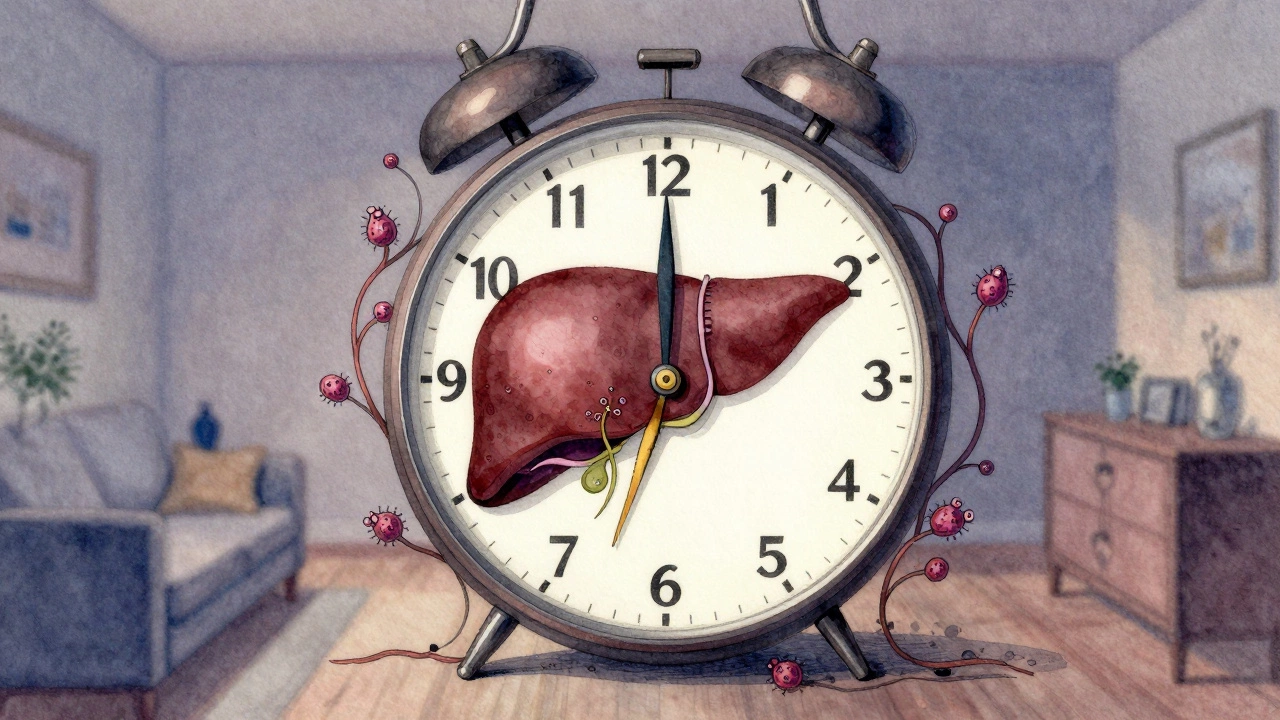
Cancer isn’t always a death sentence. But it’s often a race against time. The clock starts ticking the moment the first abnormal cell forms. The sooner you find it, the more time you have.
Final Thought: Silence Isn’t Safety
Living with cancer without knowing sounds like luck. But it’s not. It’s a gamble. And the odds are stacked against you.
Some people survive because they got lucky. Others survive because they got screened. One group waited for pain. The other acted before pain came.
You can’t control whether cancer develops. But you can control whether you find it early.
Can you live 10 years with cancer and not know it?
Yes, it’s possible-especially with slow-growing cancers like thyroid, prostate, or some forms of kidney and ovarian cancer. Autopsy studies show that up to 10% of people who die of other causes had undiagnosed thyroid cancer. But while you may live for years without symptoms, the cancer can still spread silently. What feels like peace could be a ticking clock.
What are the earliest signs of hidden cancers?
There often aren’t any. But subtle clues include unexplained weight loss (more than 5% of body weight in 6 months), persistent fatigue that doesn’t improve with rest, new lumps or swelling, changes in bowel or bladder habits, unusual bleeding (like postmenopausal spotting), or persistent indigestion. These aren’t cancer by themselves-but if they last more than 2-3 weeks, get them checked.
Is it true that some cancers don’t cause pain?
Absolutely. Many cancers, especially in the early stages, don’t cause pain at all. Tumors in the pancreas, kidneys, ovaries, or lungs can grow without pressing on nerves. Pain usually appears only when the cancer spreads to bones, nerves, or organs. That’s why waiting for pain means waiting too long.
Should I get screened even if I feel fine?
Yes-if you’re in an age group or risk category where screening is recommended. Feeling fine is not a guarantee of health. Screening catches cancer before symptoms appear. Mammograms, colonoscopies, Pap smears, and PSA tests have saved millions of lives precisely because they find cancer early, when it’s easiest to treat.
What’s the most dangerous cancer to have without knowing?
Pancreatic cancer is among the deadliest because it rarely shows symptoms until it’s advanced. By the time it’s diagnosed, it’s often spread to the liver or major blood vessels. Survival rates drop dramatically after stage I. Lung cancer in non-smokers and ovarian cancer are also dangerous because they’re often found too late due to vague or absent symptoms.