Cancer Pain Management Advisor
Describe your current symptoms to get tailored advice based on medical guidelines.
Understanding Pain Levels
Note: This tool provides educational guidance based on general medical principles. Always consult your oncologist for personal medical advice.
Personalized Advice
You have likely heard the scary myth that cancer only hurts in its final days. The truth is much more complex and, frankly, less predictable. Some people with advanced Cancer is a group of diseases involving uncontrolled cell growth that can invade nearby tissues. feel no pain at all, while others experience significant discomfort during early stages. Pain is not a reliable indicator of how far the disease has progressed. It depends on where the tumor is, what it is pressing against, and how your body reacts to treatment.
Understanding when and why pain occurs helps you manage expectations and seek help sooner. Waiting until pain becomes unbearable is dangerous. Modern medicine has tools to keep you comfortable at every stage. Let’s look at how pain connects to the different phases of the disease and what you can do about it.
The Reality of Early-Stage Cancer Pain
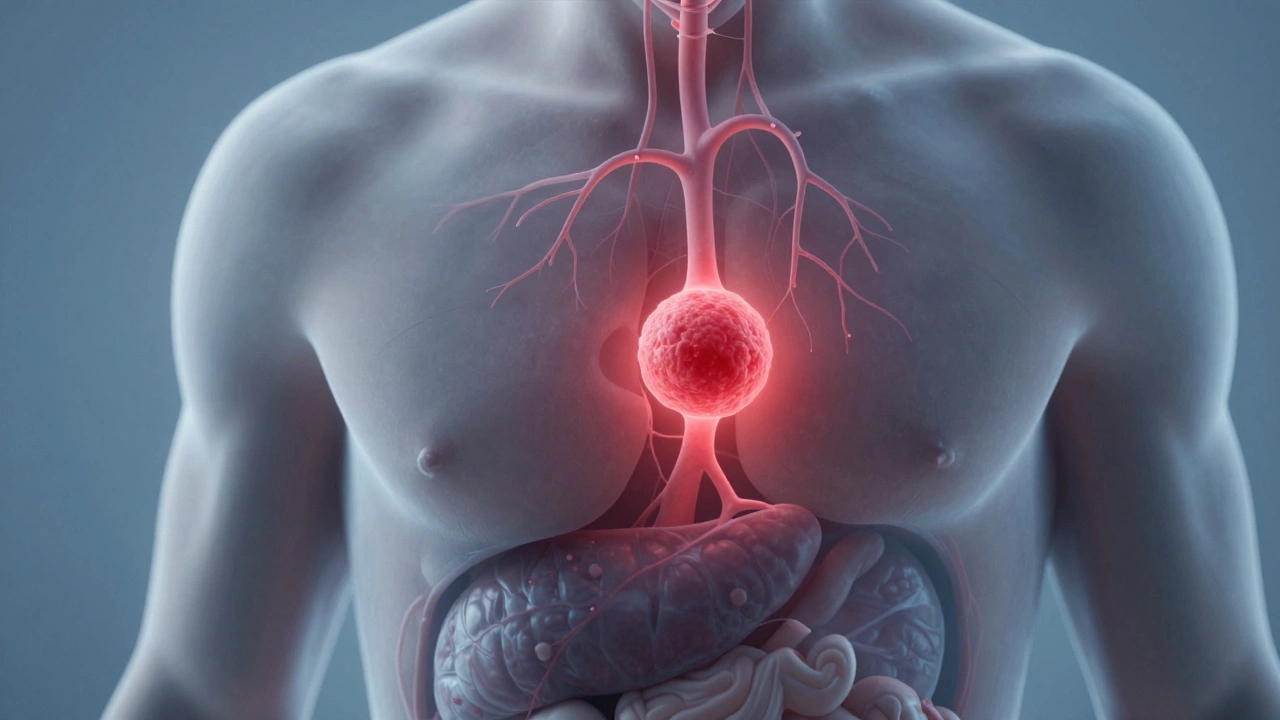
When doctors talk about Stage I and II Cancer is early-stage disease where the tumor is localized and has not spread widely., they usually mean the abnormal cells are confined to one area. In many cases, these small tumors cause absolutely no symptoms. This is why screening tests for breast, colon, and lung cancer are so vital-they catch the problem before it announces itself through pain.
However, silence is not guaranteed. If a small tumor grows near a sensitive nerve bundle or presses on a hollow organ like the intestine or bladder, you might feel discomfort early on. For example, a small kidney stone-like sensation could be an early sign of renal issues linked to a mass. Bone cancers, even when small, often hurt because bone tissue is rich in nerves. So, while early-stage pain is less common than late-stage pain, it is definitely possible. Ignoring new, persistent aches because you think 'it’s too early for cancer' can delay diagnosis.
Pain as the Disease Progresses: Stages III and IV
As cancer moves into Advanced Stage Cancer refers to Stage III or IV disease where cancer has spread to lymph nodes or distant organs., the likelihood of pain increases significantly. This happens for two main reasons. First, the primary tumor gets bigger. It takes up more space, pushing against surrounding structures. Second, the cancer may metastasize, meaning it travels to other parts of the body.
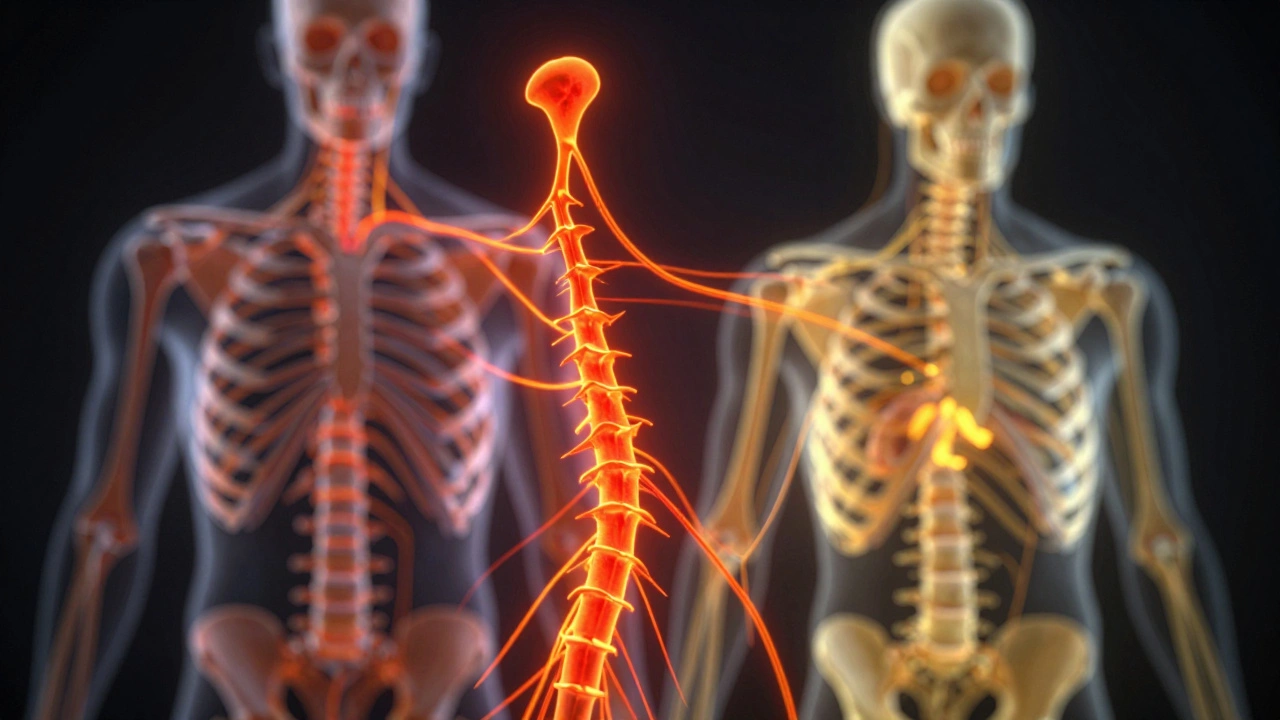
Bone metastases are particularly painful. When cancer cells settle in the spine, hips, or ribs, they weaken the bone structure. This can lead to fractures or pressure on the spinal cord, causing sharp, shooting pains. Liver involvement might cause a dull ache in the upper right abdomen due to the stretching of the liver capsule. Lung involvement can lead to pleuritic pain-sharp chest pain when you breathe deeply. At this stage, pain is often a signal that the disease is active and affecting critical systems. It requires immediate medical attention, not just rest.
Treatment-Related Pain: The Hidden Factor
Here is a crucial point that many patients miss: the pain you feel might not come from the cancer itself, but from the treatments used to fight it. Chemotherapy is systemic drug treatment that kills fast-growing cells throughout the body. can cause neuropathy, which feels like tingling, burning, or numbness in the hands and feet. Radiation therapy can lead to skin burns or inflammation in the treated area. Surgery, obviously, causes post-operative pain as tissues heal.
This distinction matters because treating treatment-related pain looks different from treating tumor-related pain. Neuropathic pain often responds better to specific medications like gabapentin or antidepressants rather than standard opioids. If you assume all pain is from the tumor, you might get the wrong medication and suffer unnecessarily. Always tell your oncologist exactly what the pain feels like-is it sharp, dull, burning, or throbbing? This detail guides the prescription.
Why Pain Perception Varies So Much
If two people have the same type and stage of cancer, their pain levels might be worlds apart. Why? Human biology is not a machine; it is a unique ecosystem. Factors include:
- Tumor Location: A tumor in the liver (which has few pain receptors) might hurt less than a small tumor in the pancreas (which sits next to major nerves).
- Individual Pain Threshold: Genetics play a role. Some people naturally have higher tolerance levels due to variations in genes like COMT that affect neurotransmitter processing.
- Psychological State: Anxiety and depression amplify pain signals. The brain interprets physical sensations through an emotional filter. High stress makes pain feel worse.
- Previous Chronic Pain: If you already deal with arthritis or back issues, adding cancer pain creates a cumulative burden that feels heavier.
This variability means you cannot compare your experience to someone else’s. Your pain is valid regardless of whether your friend with the same diagnosis says they feel fine. Doctors use standardized scales, like the Numeric Rating Scale (0-10), to track your personal baseline over time.
Managing Pain: Beyond Just Pills
Effective pain management is a cornerstone of quality life during cancer care. It is not about sedating you; it is about giving you back your function. The World Health Organization (WHO) recommends a three-step ladder for pain relief:
- Non-Opioids: For mild pain, drugs like acetaminophen or NSAIDs (ibuprofen) are first-line defenses. They reduce inflammation and block pain signals.
- Weak Opioids: If step one fails, doctors add codeine or tramadol. These bind to opioid receptors in the brain to dampen pain perception.
- Strong Opioids: For severe pain, morphine, oxycodone, or fentanyl patches provide potent relief. Fears about addiction are often overstated in palliative contexts; the goal is comfort, and doses are carefully monitored.
Medication is rarely enough on its own. Adjuvant therapies are essential. Physical therapy helps maintain mobility and reduces muscle stiffness. Acupuncture has shown promise in reducing chemotherapy-induced nausea and pain. Cognitive Behavioral Therapy (CBT) helps reframe the relationship with pain, reducing the suffering component. Nutrition also plays a role; anti-inflammatory diets rich in omega-3s may help lower systemic inflammation that exacerbates pain.
| Source | Description | Typical Sensation |
|---|---|---|
| Tumor Pressure | Mass pressing on nerves/organs | Dull, constant ache |
| Bone Metastasis | Cancer spreading to bones | Sharp, localized, worsening at night |
| Neuropathy | Nerve damage from chemo | Burning, tingling, electric shocks |
| Inflammation | Body's immune response | Soreness, swelling, tenderness |

When to Seek Immediate Help
Pain is a signal. While some discomfort is expected, certain types of pain require urgent evaluation. New onset of severe headache, vision changes, or neck stiffness could indicate brain involvement. Sudden back pain accompanied by weakness in the legs or loss of bladder control suggests spinal cord compression-a medical emergency. Unexplained weight loss combined with night sweats and fever points to systemic progression. Do not wait for your next scheduled appointment if your pain pattern changes drastically. Call your care team immediately.
Living Well Despite Pain
Diagnosing cancer does not mean resigning yourself to suffering. Advances in palliative care allow most patients to achieve good pain control. The key is communication. Be honest with your doctors about your pain levels and side effects. Keep a pain diary noting when it hurts, what it feels like, and what helps. This data empowers your medical team to tailor your regimen. Remember, managing pain is not a sign of giving up; it is a proactive step toward maintaining your dignity and quality of life during treatment.
Does cancer always hurt?
No, cancer does not always cause pain. Many early-stage cancers are asymptomatic. Even in advanced stages, some tumors grow in areas with few pain receptors. However, pain is a common symptom as the disease progresses or affects nerves and bones.
Is pain a sign that cancer is spreading?
Not necessarily. Pain can result from the primary tumor pressing on local structures, side effects of treatment like chemotherapy or surgery, or unrelated conditions like arthritis. While new or worsening pain can indicate metastasis, it requires imaging and clinical evaluation to confirm.
What is the best way to manage cancer pain?
The most effective approach is multimodal. This combines medications (NSAIDs, opioids, adjuvants) with non-drug therapies like physical therapy, acupuncture, and psychological support. The WHO three-step ladder guides medication choices based on severity.
Can anxiety make cancer pain worse?
Yes, significantly. Anxiety and depression lower the pain threshold and amplify the perception of discomfort. Addressing mental health through counseling, meditation, or medication can improve overall pain management outcomes.
When should I call my doctor about pain?
Call your doctor if your current pain medication stops working, if you experience new types of pain, or if pain interferes with daily activities like sleeping or eating. Emergency care is needed for sudden severe back pain with leg weakness or loss of bladder control.