IVF Discomfort Estimator
How Discomfort Levels May Affect You
Based on your treatment stage and personal factors, we'll estimate your expected discomfort level and provide tailored management tips.
Your IVF Journey Stage
Your Personal Factors
Your Estimated Discomfort Level
What to Expect:
Recommended Management Tips
When people start thinking about IVF, one of the first questions that comes up is: Is IVF painful? The answer isn’t simple - it’s not a single moment of pain, but a series of steps, each with its own level of discomfort. For many, the fear of pain is what holds them back from starting treatment. But understanding what actually happens - and what to expect - can make a big difference.
IVF starts with hormone injections
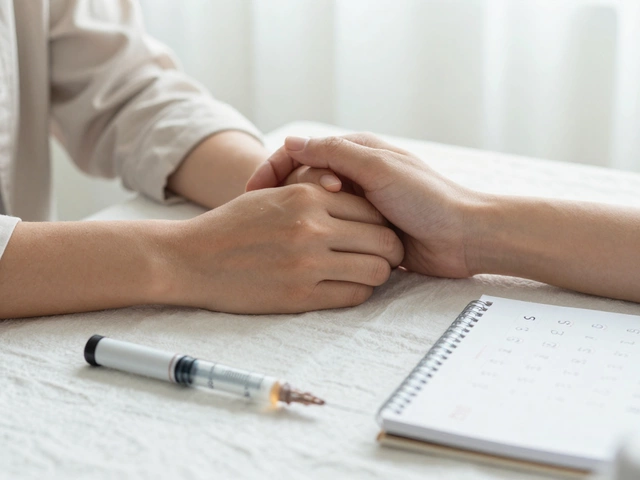
The first real physical step in IVF is daily hormone injections to stimulate your ovaries. These shots are usually given in the stomach or thigh. Most people describe the sensation as a quick pinch, similar to a mosquito bite. The needles are very thin, and the fluid is delivered slowly. You’re not injecting yourself with something thick or viscous - it’s mostly water-based.
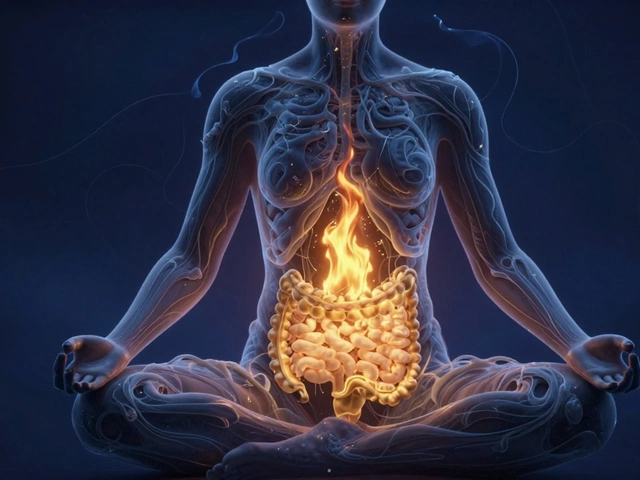
Some women feel a dull ache or heaviness in the lower abdomen after a few days of injections. This isn’t pain from the needle - it’s your ovaries growing. Normally, ovaries are about the size of an almond. During IVF, they can swell to the size of an orange. That’s normal. It doesn’t mean something’s wrong. But it can make you feel bloated, tired, or uncomfortable when you sit or walk for long periods.
One woman from Bangalore, who went through IVF last year, said: "I didn’t mind the shots. What caught me off guard was how heavy my belly felt by day 8. I had to wear loose pants and avoid sitting on hard chairs. It wasn’t sharp pain - more like a constant pressure."
The egg retrieval - the most invasive part
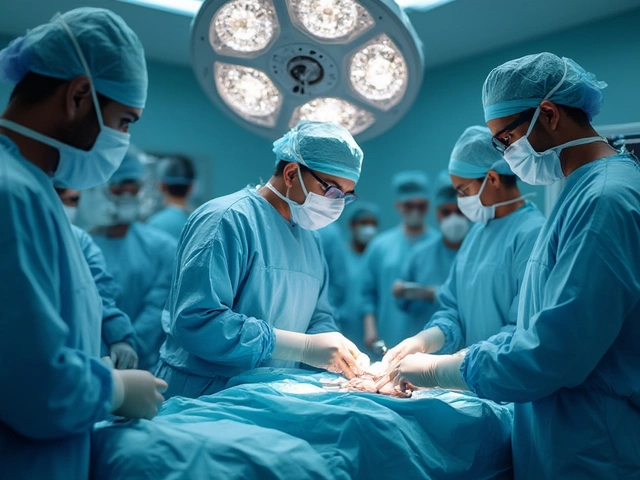
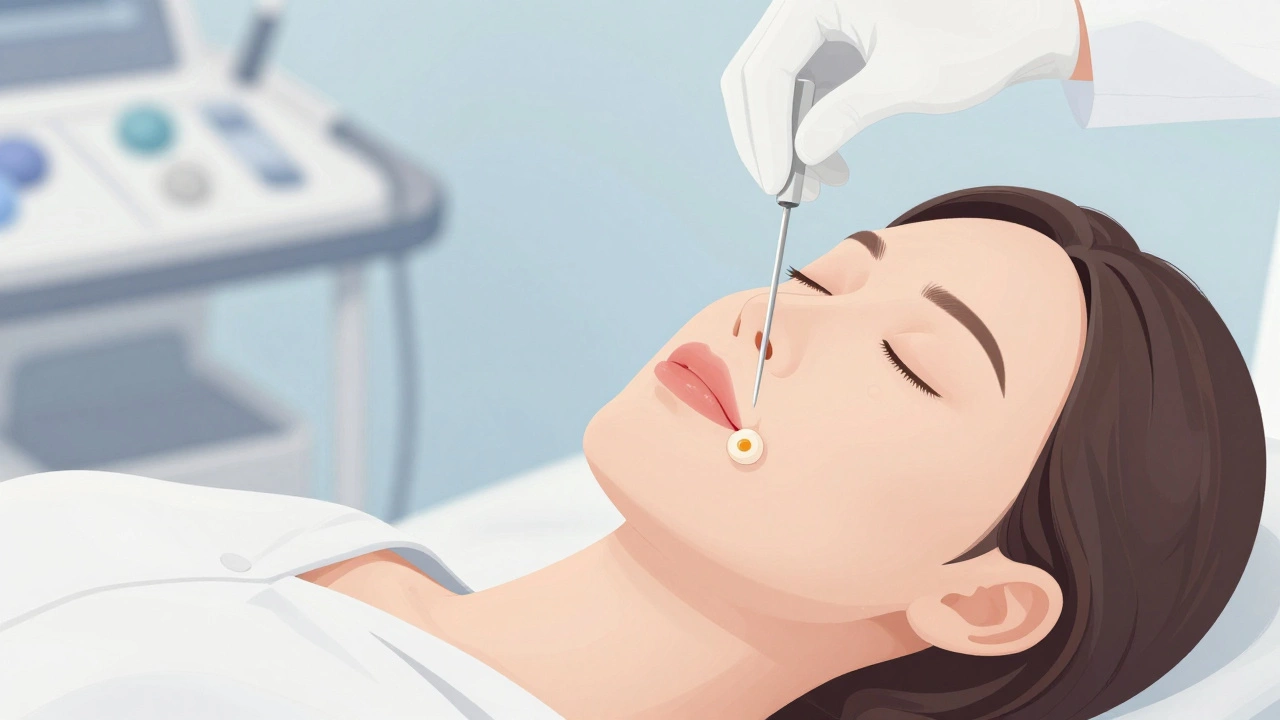
When your eggs are ready, you’ll have a procedure called egg retrieval. This is done under light sedation. You’ll be asleep for about 15-20 minutes. You won’t feel anything during it. But after you wake up, you’ll likely feel crampy - like strong period cramps. Some women say it’s worse than a period. Others barely notice it.
The procedure itself uses a thin needle guided by ultrasound to gently pull eggs from each follicle. There’s no cutting. No incisions. Just a needle through the vaginal wall. It’s quick, safe, and done in an outpatient clinic. You’ll go home the same day.
Afterward, most women rest for a day. You might feel tired. Your lower abdomen might be tender. Some have light spotting. That’s normal. A few report mild nausea from the sedation. But severe pain? That’s rare. If you’re in intense pain, feverish, or bleeding heavily, you should call your clinic. Those are warning signs.
Embryo transfer - almost painless
Three to five days after retrieval, the embryo(s) are placed back into your uterus. This is called embryo transfer. It’s like a Pap smear. You’ll lie on a table. A thin, flexible catheter is inserted through the cervix. Embryos are gently pushed through. You might feel a little pressure. Some women feel a quick pinch. Others feel nothing at all.
No anesthesia is needed. No recovery time. You can walk out and go to work. One patient in Mysore said: "I did my transfer on a Tuesday. I went shopping that afternoon. I didn’t even think about it after."
What about the emotional side?
Pain isn’t just physical. The emotional toll of IVF can be heavier than any needle or cramp. Waiting for results. Seeing friends get pregnant naturally. The pressure from family. The fear of failure. These things can feel exhausting.
Many clinics in India now offer free counseling sessions with IVF patients. Talking to someone who’s been through it - not just a doctor - helps more than you’d think. You’re not alone. In Bangalore alone, over 1,200 women started IVF last year. Most of them felt the same fears you’re feeling now.
How to manage discomfort
If you’re worried about pain, here’s what actually works:
- Use a heating pad on your lower belly after injections or retrieval - it helps with cramping.
- Drink plenty of water. Dehydration makes bloating worse.
- Wear loose, soft clothes. Compression leggings can feel unbearable when your ovaries are swollen.
- Ask your doctor about mild painkillers. Paracetamol is safe. Avoid ibuprofen during IVF - it can affect implantation.
- Meditation or breathing exercises help more than you’d guess. One study from Apollo Fertility found that women who practiced daily breathing for 10 minutes had 30% lower stress scores during treatment.

When should you be concerned?
Most discomfort is normal. But here are red flags:
- Sharp, stabbing pain in one side of your belly
- Fever above 100.4°F (38°C)
- Heavy bleeding (soaking a pad in under an hour)
- Dizziness or trouble breathing
- Swelling in your legs or sudden weight gain (over 5 kg in 3 days)
These could be signs of OHSS - ovarian hyperstimulation syndrome. It’s rare, but serious. If you notice any of these, call your clinic immediately. Most clinics have a 24/7 helpline for IVF patients.
Real stories from real patients
Not everyone feels the same. One 34-year-old from Pune said: "I thought IVF would break me. I cried before every injection. But the day I got pregnant, I realized - the pain was temporary. The joy lasted."
Another, 39, from Chennai: "I had two failed cycles. The third one was the easiest. I learned to listen to my body. I rested more. I stopped watching Instagram. That helped more than any medicine."
Final thought: Pain is not the whole story
IVF isn’t easy. But it’s not the nightmare most people imagine. Yes, there are uncomfortable moments. Yes, it takes time. But for over 60% of couples in India who complete the full cycle, it leads to a healthy pregnancy. The pain fades. The hope doesn’t.
If you’re considering IVF, talk to someone who’s been through it. Ask questions. Write down your fears. Bring them to your doctor. You don’t have to face this alone.
Is IVF more painful than a natural pregnancy?
No, IVF is not more painful than a natural pregnancy. The discomfort during IVF is mostly limited to the first few weeks - injections, bloating, and a minor procedure. Once pregnancy is confirmed, the body goes through the same changes as any other pregnancy. Many women say the emotional stress of IVF is harder than the physical side effects.
Do IVF injections hurt a lot?
Most people describe IVF injections as a quick pinch, like a mosquito bite. The needles are very fine, and the medication is delivered slowly. Some feel mild soreness or bruising at the injection site, but it’s usually gone in a day or two. Many patients learn to give themselves the shots and say it becomes routine after the first week.
Can I work during IVF treatment?
Yes, most people continue working during IVF. The only time you’ll need to take time off is for egg retrieval - usually one day. After that, you can return to work. Embryo transfer requires no recovery. Some women take extra rest if they feel bloated or tired, but it’s not required. Many clinics recommend avoiding heavy lifting and intense exercise, but normal office work is fine.
Is there any long-term pain after IVF?
No, there is no long-term pain from IVF. The physical side effects - bloating, cramping, soreness - disappear within days to a couple of weeks after the procedure. If you become pregnant, your body continues to change as it would in any pregnancy. There’s no evidence that IVF causes chronic pain or lasting damage to the reproductive system.
How common is severe pain during IVF?
Severe pain is uncommon. Less than 5% of IVF patients experience significant discomfort that requires medical attention. Most side effects - like cramping or bloating - are mild and manageable. If you do have intense pain, fever, or heavy bleeding, it could be a sign of ovarian hyperstimulation syndrome (OHSS), which needs quick medical care. Your clinic will monitor you closely to prevent this.