Metabolic Boost Calculator
Find out how small lifestyle changes boost your daily calorie burn. Based on NIH research showing metabolism can drop 400 calories/day after dieting.
Everyone wants to lose weight. You’ve tried diets. You’ve skipped meals. You’ve bought fat-burning supplements. You’ve spent hours on the treadmill. And yet, the scale barely moves. Why? Because the #1 secret to weight loss isn’t about willpower, calories, or workout intensity. It’s about metabolism-and how your body actually burns energy when you’re not even trying.
Why Most Diets Fail (And Why You’re Not Lazy)
You’re not failing because you lack discipline. You’re failing because your metabolism has adapted to starvation. When you cut calories too hard, your body thinks it’s in famine mode. It slows down your resting energy burn. Your thyroid works less. Your hormones shift. Leptin drops. Ghrelin rises. You feel hungrier, tired, and irritable. That’s not weakness. That’s biology. A 2023 study from the National Institutes of Health tracked 150 people who lost 10% of their body weight through dieting. After one year, 83% had regained the weight. Why? Their metabolic rate dropped by an average of 400 calories per day-equivalent to skipping a full meal. Your body doesn’t want you to lose weight. It wants to survive.The Real Secret: Fix Your Metabolism First
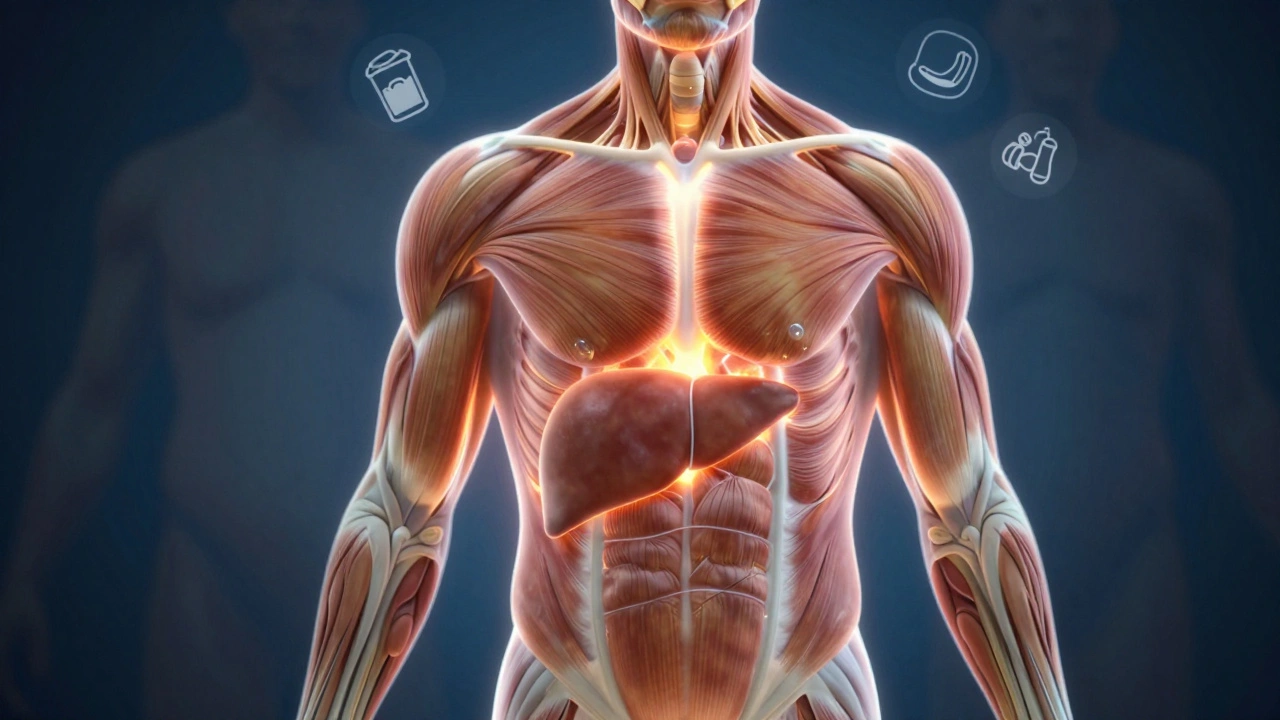
The #1 secret to lasting weight loss isn’t eating less. It’s making your body burn more-even at rest. That’s what weight loss clinics with real results focus on: metabolic reset, not calorie counting. Here’s how it works:- Your body burns calories in three ways: digestion (10%), movement (30%), and resting metabolism (60%). Most people only focus on movement.
- Resting metabolism is the biggest piece. If you can boost it by 10%, you burn 200-300 extra calories a day without exercise.
- That’s like walking 3,000 extra steps daily-without leaving your couch.
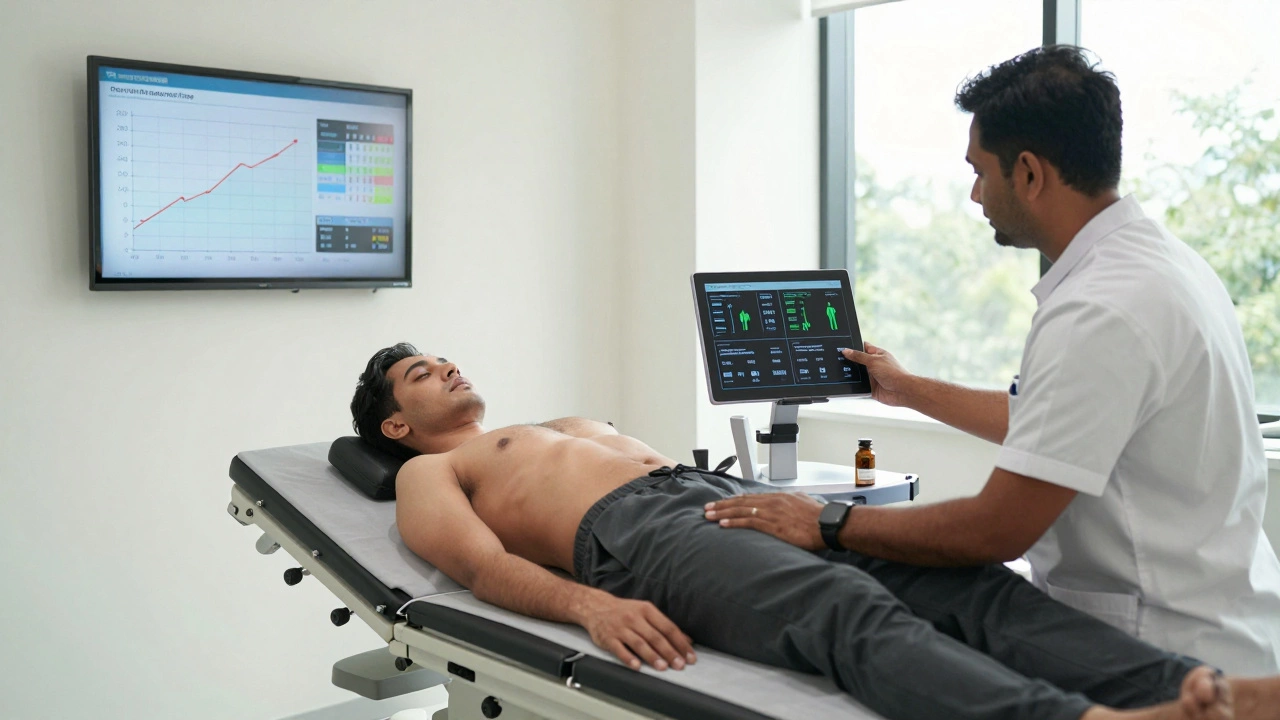
Weight loss clinics that work don’t give you meal plans. They test your metabolic rate using indirect calorimetry. They check your hormone levels-thyroid, insulin, cortisol. They look at your muscle mass, not just your weight. Then they build a plan that turns your body into a fat-burning machine.
What Actually Boosts Metabolism (No Magic Pills)
There are no shortcuts. But there are proven methods:- Strength training: Muscle burns 6-10 calories per pound per day. One extra pound of muscle = 200+ extra calories burned weekly.
- Protein intake: Digesting protein uses 20-30% of its calories. A high-protein diet increases your metabolic rate more than carbs or fat.
- Sleep: One night of poor sleep drops your metabolic rate by 25%. Seven hours of sleep isn’t a luxury-it’s a metabolic necessity.
- Hydration: Drinking 500ml of water increases metabolism by 30% for over an hour. Cold water works even better-your body heats it up, burning extra calories.
- Stress management: High cortisol = belly fat storage. Meditation, walking, and breathing exercises lower cortisol and help your body release fat.
Most weight loss programs ignore these. They focus on what’s easy to measure: calories in, calories out. But what matters is what your body does with those calories.
How Weight Loss Clinics Get Results (And Why You Should Care)
Not all clinics are the same. The ones that work don’t sell shakes or detox teas. They use science-backed tools:- Indirect calorimetry to measure your actual resting metabolic rate
- Body composition scans (DEXA or BIA) to track muscle vs. fat loss
- Hormone panels to check thyroid, insulin resistance, and sex hormones
- Personalized protein and meal timing plans based on your circadian rhythm
- Progress tracking with real data-not just the scale
In Bangalore, clinics like Metabolics Health and LeanPath have helped over 2,000 people lose weight and keep it off. Their average patient loses 12-18 pounds in 12 weeks-not by starving, but by rebuilding metabolism. They don’t tell you to cut carbs. They tell you to eat more protein at breakfast. They don’t say run 10K. They say lift weights twice a week.
One patient, a 42-year-old teacher, lost 34 pounds in five months. She didn’t quit sugar. She didn’t join a gym. She started eating 30g of protein within 30 minutes of waking up. She slept 7 hours. She lifted weights. Her metabolism went up. Her clothes fit. Her energy returned. That’s the secret.
The Myth of the ‘Quick Fix’
You’ll see ads for weight loss injections, appetite suppressants, and miracle teas. They promise 20 pounds in 30 days. They work-for a few weeks. Then your body fights back harder. You gain back more than you lost. That’s not weight loss. That’s a metabolic trap. True weight loss isn’t fast. It’s sustainable. It’s not about burning fat today. It’s about changing how your body stores and uses fat forever.
What to Look For in a Weight Loss Clinic
If you’re considering a clinic, ask these questions:- Do you measure my resting metabolic rate? (If no, walk away.)
- Do you test my hormones? (Thyroid, insulin, cortisol, estrogen/testosterone)
- Do you track muscle mass, not just weight?
- Do you use a personalized plan-or a one-size-fits-all diet?
- What’s your success rate after 12 months?
If they can’t answer these, they’re selling a diet. Not a solution.
Start Here Today (No Clinic Needed)
You don’t need a clinic to begin. Start with these three steps:- Get 30g of protein within 30 minutes of waking up. Eggs. Greek yogurt. Cottage cheese. Protein shake. Doesn’t matter-just get it.
- Do two 20-minute strength sessions a week. Bodyweight squats, push-ups, dumbbell rows. You don’t need a gym.
- Sleep 7 hours. No screens 1 hour before bed. Dark room. Cool temperature.
Do this for 30 days. Then check your body composition. You’ll see muscle go up. Fat go down. Energy rise. Hunger drop. That’s your metabolism waking up.
Final Truth
The #1 secret to weight loss isn’t a diet. It’s not a pill. It’s not a 5AM run. It’s rebuilding your body’s ability to burn fat naturally. That’s what happens when you fix your metabolism. When your body stops hoarding fat and starts using it as fuel.Weight loss clinics that work know this. Most don’t. If you’re tired of cycling through diets, stop chasing the scale. Start building a metabolism that works for you-not against you.
Is counting calories the best way to lose weight?
No. Counting calories ignores how your body processes food. Two people eating 1,500 calories a day can have wildly different results based on their metabolism, hormones, and muscle mass. A high-protein, low-sugar diet with strength training often leads to better fat loss than strict calorie counting alone.
Can I lose weight without exercise?
You can lose weight without exercise, but you’ll lose muscle too. That slows your metabolism, making it easier to regain weight. Sustainable fat loss requires preserving or building muscle-through protein and resistance training. Exercise isn’t optional; it’s the foundation of long-term success.
Why do I gain weight even when I eat less?
Your metabolism slows down in response to reduced calories. Hormones like leptin and ghrelin shift, increasing hunger and decreasing energy burn. Stress, poor sleep, and low protein intake worsen this. It’s not your fault-it’s your body’s survival mode. Fixing your metabolism, not eating less, is the solution.
Are weight loss supplements effective?
Most are not. Appetite suppressants, fat burners, and detox teas may cause short-term water loss or mild stimulation, but they don’t change your metabolism. Studies show they have no lasting effect on fat loss. Some can even harm your liver or heart. Real results come from diet, movement, sleep, and stress management-not pills.
How long does it take to reset your metabolism?
It takes 4-12 weeks to see meaningful metabolic changes. Muscle gain, hormone balance, and improved insulin sensitivity don’t happen overnight. Most people notice increased energy and reduced hunger within 2-3 weeks. Visible fat loss follows after 6-8 weeks of consistent protein, strength training, and sleep.
Do weight loss clinics work better than DIY methods?
Clinics that use metabolic testing and personalized plans work better than generic diets. They catch hidden issues like thyroid dysfunction or insulin resistance that DIY methods miss. But if you’re consistent with protein, strength training, sleep, and stress control, you can get results on your own. The clinic just gives you data, not magic.