Diabetes Food & Habit Risk Checker
Imagine sitting down to a delicious meal, only to realize later that one specific ingredient sent your blood sugar soaring. For people managing diabetes, a chronic condition affecting how the body processes blood glucose, this isn't just an inconvenience-it’s a health risk. You might think you know what to avoid, but the list of "forbidden" items is longer and more nuanced than most realize. It’s not just about skipping dessert; it involves understanding how certain foods, medications, and even daily habits interact with your body’s ability to regulate insulin.
The goal here isn’t to live in fear of every bite. Instead, it’s about empowerment through knowledge. By identifying exactly what triggers dangerous spikes or drops in blood sugar, you can protect your heart, kidneys, and nerves. Let’s break down the absolute no-go zones for anyone managing type 1 or type 2 diabetes.
Foods That Trigger Dangerous Blood Sugar Spikes
When we talk about food restrictions, the biggest culprit is usually refined carbohydrates. These are foods that have been stripped of fiber and nutrients, causing them to digest rapidly and flood your bloodstream with glucose. This rapid influx forces your pancreas to work overtime to produce insulin, which may already be compromised.
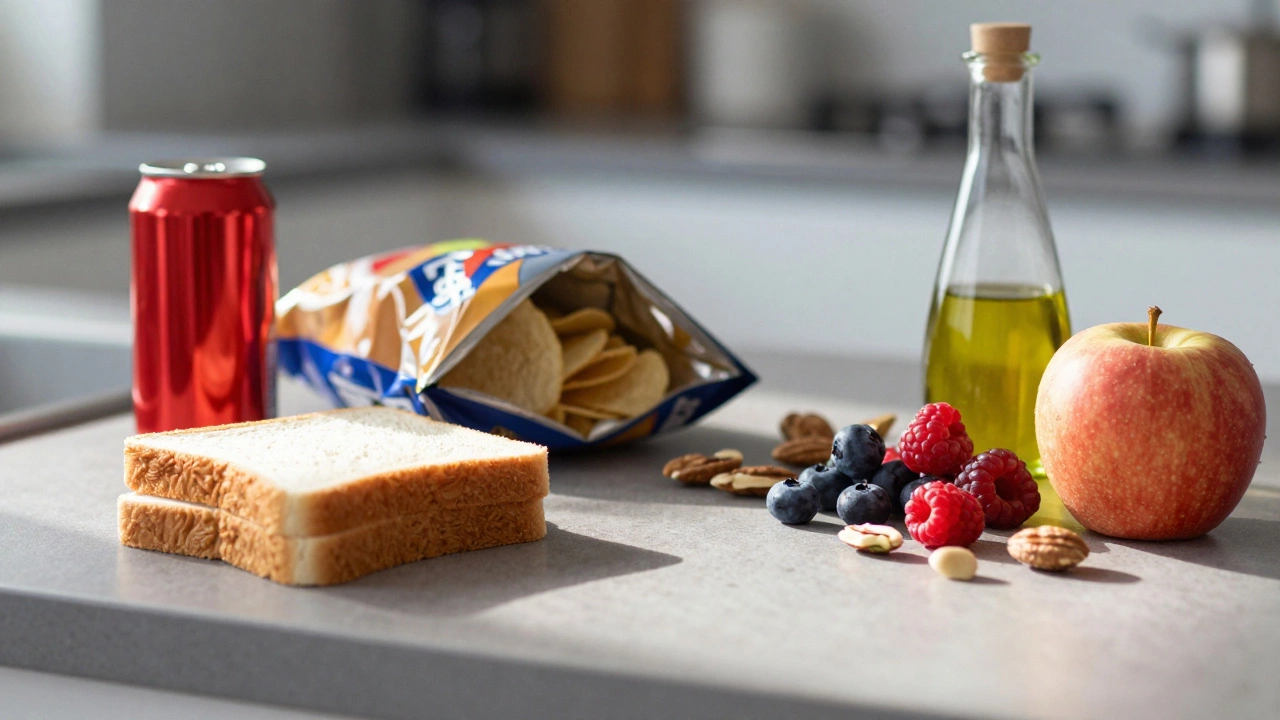
- Sugary Beverages: Sodas, energy drinks, and fruit juices are arguably the worst offenders. A single can of soda can contain over 40 grams of sugar. Unlike solid food, liquid sugar hits your system almost instantly. Even "natural" fruit juices lack the fiber found in whole fruits, making them nearly as bad as soda for blood sugar control.
- White Bread and Refined Grains: White bread, white rice, and regular pasta have high glycemic indices. They break down into sugar quickly. Swapping these for whole-grain alternatives slows digestion and prevents sharp peaks.
- Processed Snacks: Chips, cookies, and crackers often hide added sugars and unhealthy fats. The combination of fat and sugar can actually delay gastric emptying, leading to unpredictable blood sugar patterns-sometimes spiking hours after eating.
It’s also crucial to watch out for "healthy" sounding traps. Many granola bars and flavored yogurts are packed with hidden sugars. Always check the nutrition label for total carbohydrates and added sugars, not just the marketing claims on the front.
Foods That Cause Slow, Unpredictable Spikes
While sugary foods cause immediate spikes, other foods create a slower, sustained rise in blood glucose that can be harder to manage. This is particularly relevant for those taking insulin or sulfonylureas, which lower blood sugar. If you eat high-fat, high-carb meals, your blood sugar might stay elevated for many hours, increasing the risk of long-term complications.
- Fried Foods: French fries, fried chicken, and doughnuts are high in saturated fats. Fat slows down the absorption of carbohydrates. This means your blood sugar might not spike immediately, but it will remain high for a prolonged period, making it difficult to hit target ranges.
- Full-Fat Dairy Products: While dairy contains protein, full-fat cheeses and creams add significant calories and saturated fat. Opting for low-fat or non-fat versions helps manage weight and insulin sensitivity without sacrificing calcium.
- Alcohol: Alcohol is tricky. On its own, it doesn’t raise blood sugar significantly, but it can block the liver from releasing stored glucose. This increases the risk of hypoglycemia (low blood sugar), especially if you drink on an empty stomach or take insulin. Mixers like tonic water or cocktails often contain large amounts of sugar, compounding the problem.
Medications and Supplements to Avoid or Use With Caution
Many people don’t realize that common over-the-counter drugs can interfere with blood sugar control. Interactions between diabetes medications and other substances can lead to either dangerously high or dangerously low blood sugar levels.
| Medication Type | Effect on Blood Sugar | Why It Matters |
|---|---|---|
| Corticosteroids (e.g., Prednisone) | Increases significantly | Used for inflammation, they reduce insulin sensitivity. Often prescribed for asthma or allergies, they require close monitoring. |
| Thiazide Diuretics | Increases moderately | Commonly used for high blood pressure, they can deplete potassium, which affects insulin release. |
| Decongestants (Pseudoephedrine) | Increases slightly | Stimulants in cold medicines can raise blood sugar and heart rate. Look for "diabetic-friendly" labels. |
| Niacin (Vitamin B3) | Increases | High doses taken for cholesterol can worsen insulin resistance. |
Always consult your doctor before starting any new supplement. Some herbal remedies, like licorice root, can raise blood pressure and blood sugar. Others, like cinnamon, have mixed evidence and shouldn't replace prescribed medication.

Lifestyle Habits That Worsen Diabetes Control
Diet and medication are only part of the equation. Daily habits play a massive role in how well your body manages glucose. Ignoring these can render even the best diet ineffective.
Sedentary Behavior
Sitting for long periods reduces muscle uptake of glucose. Muscles are major consumers of blood sugar, especially when active. If you sit at a desk all day, your blood sugar can drift upward simply due to inactivity. Aim to stand up and move for five minutes every hour. Regular exercise improves insulin sensitivity, meaning your body needs less insulin to process the same amount of glucose.
Poor Sleep Hygiene
Sleep deprivation disrupts hormones that regulate appetite and blood sugar. Lack of sleep increases cortisol (the stress hormone) and ghrelin (the hunger hormone), while decreasing leptin (the fullness hormone). This leads to cravings for high-carb foods and makes your cells more resistant to insulin. Aim for 7-9 hours of quality sleep per night.
Chronic Stress
Stress triggers the release of adrenaline and cortisol, both of which raise blood sugar. Whether it’s work pressure or personal issues, unmanaged stress keeps your blood glucose elevated. Techniques like deep breathing, meditation, or even short walks can help mitigate this physiological response.
Misconceptions About "Forbidden" Items
Not everything labeled "bad" for diabetics is strictly forbidden. Context matters. For example, fruit is often demonized, but whole fruits contain fiber, vitamins, and antioxidants. The key is portion control and pairing. Eating an apple with a handful of almonds slows sugar absorption. Similarly, natural sweeteners like honey or maple syrup are still sugars and should be limited, but they aren’t inherently toxic in small amounts.
Another myth is that diabetics must avoid all fats. Healthy fats, such as those from avocados, nuts, seeds, and olive oil, do not raise blood sugar directly and can improve satiety. The restriction applies to trans fats and excessive saturated fats, which contribute to cardiovascular disease-a major complication of diabetes.
How to Navigate Social Situations Without Breaking Rules
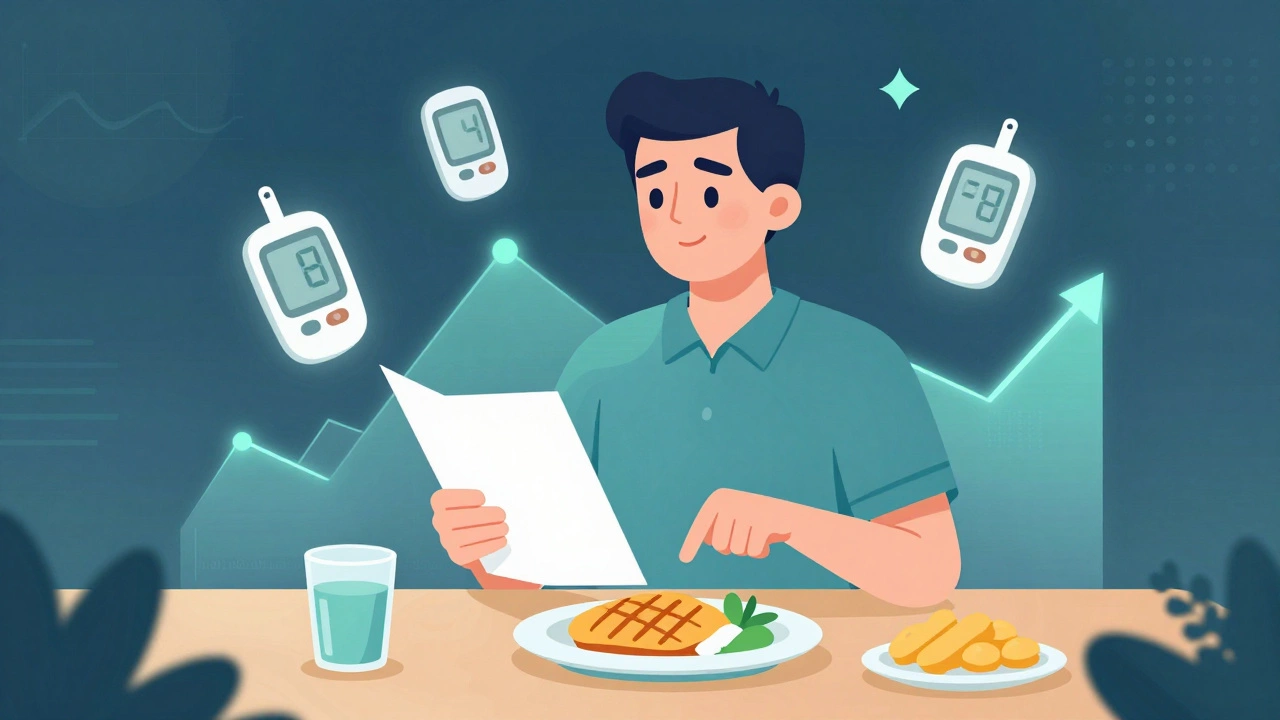
Eating out or attending parties doesn’t mean you have to skip socializing. Preparation is key. Check menus online beforehand to identify safe options. When ordering, ask for modifications: swap fries for a side salad, request sauces on the side, and choose grilled over fried proteins. Don’t be afraid to speak up about your dietary needs; most restaurants are accommodating.
If you’re unsure about a dish, ask how it’s prepared. Hidden sugars and starches are common in restaurant cooking. A seemingly healthy stir-fry might be loaded with sugary sauce and thickened with cornstarch. Knowing what to look for allows you to make informed choices without feeling isolated.
Monitoring and Adjusting Your Plan
Every person with diabetes is unique. What causes a spike in one person might not affect another. Continuous Glucose Monitors (CGMs) and regular finger-stick tests provide real-time data. Use this information to learn how your body reacts to different foods and activities. Keep a log of your meals, blood sugar readings, and symptoms. Over time, patterns will emerge, helping you refine your personal list of forbidden items.
Regular check-ups with your healthcare provider are essential. They can adjust your medication based on your lifestyle changes and overall health. Never stop or change your medication dosage without professional guidance. Consistent monitoring ensures that your management plan remains effective and safe.
Can diabetics eat fruit?
Yes, diabetics can eat fruit, but portion control is vital. Whole fruits like berries, apples, and pears are good choices because they contain fiber, which slows sugar absorption. Avoid fruit juices and dried fruits, which are concentrated sources of sugar and lack fiber. Pairing fruit with a source of protein or healthy fat, such as nuts or yogurt, can further stabilize blood sugar levels.
Is alcohol completely forbidden for diabetics?
Alcohol is not strictly forbidden, but it requires caution. It can cause hypoglycemia, especially if consumed on an empty stomach or alongside insulin. Choose dry wines or light beers in moderation, and always eat food while drinking. Avoid sugary mixers like cola or juice. Monitor your blood sugar closely before bed to ensure it doesn’t drop too low overnight.
What are the signs of hyperglycemia?
Symptoms of high blood sugar include frequent urination, increased thirst, blurred vision, fatigue, and headaches. If left untreated, hyperglycemia can lead to serious complications like diabetic ketoacidosis (DKA) in type 1 diabetes or hyperosmolar hyperglycemic state (HHS) in type 2. Regular monitoring helps catch these signs early.
Do artificial sweeteners affect blood sugar?
Most artificial sweeteners, such as stevia, sucralose, and aspartame, do not raise blood sugar levels directly. However, some studies suggest they may alter gut bacteria or increase cravings for sweet foods in some individuals. Use them in moderation as part of a balanced diet, rather than relying on them exclusively.
How does stress impact diabetes management?
Stress releases hormones like cortisol and adrenaline, which raise blood sugar levels by prompting the liver to release stored glucose. Chronic stress can also lead to poor dietary choices and reduced physical activity. Managing stress through relaxation techniques, exercise, and adequate sleep is crucial for maintaining stable blood glucose levels.