Ayurvedic Dosha & Weight Balance Calculator
Discover Your Ayurvedic Body Type
Answer these 10 questions to understand your dosha and get personalized weight management guidance.
How It Works
This tool helps identify your Ayurvedic dosha (Vata, Pitta, or Kapha) based on your lifestyle and physical traits. Your dosha determines how your body processes food, handles stress, and manages weight.
The results will provide personalized recommendations based on your dosha and the article's principles. Always consult a qualified Ayurvedic practitioner before making significant changes to your routine.
Your results will appear here after completing the quiz.
People in India have been using Ayurveda for over 5,000 years to stay healthy-not just to treat sickness, but to keep the body in balance. One of the most common questions today is: Ayurveda weight loss really work? The answer isn’t a simple yes or no. It depends on how you use it, what your body needs, and whether you’re willing to change your daily habits. Unlike quick-fix diets that promise 10 pounds in a week, Ayurveda doesn’t target weight loss as a goal. It targets imbalance. And when that imbalance fixes itself, weight often follows.
How Ayurveda Views Weight Gain
Ayurveda doesn’t see extra weight as just eating too much or moving too little. It sees it as a sign that your digestion, metabolism, and energy flow are stuck. This is called Kapha imbalance. Kapha is one of the three doshas-your body’s energy types. When Kapha is too strong, you feel sluggish, crave heavy foods, hold onto water, and gain weight easily-even if you’re not eating much.
Think of it like a clogged drain. If water can’t flow, it pools. Same with your metabolism. If your digestive fire-called Agni-is weak, food turns into toxins (called Ama) instead of energy. Those toxins stick around, slow you down, and turn into fat. So losing weight in Ayurveda isn’t about cutting calories. It’s about lighting that fire again.
The Ayurvedic Approach: Not a Diet, But a Lifestyle
There’s no single Ayurvedic diet plan you can copy from a website. What works for someone with a strong Pitta dosha might make a Kapha person worse. Ayurveda tailors everything to your body type. But there are universal habits that help most people:
- Drink warm water with lemon first thing in the morning. It wakes up your digestion.
- Don’t eat late. Your body stops digesting efficiently after 7 p.m. Eating after that means food turns to Ama overnight.
- Never skip breakfast. Even if you’re not hungry, eat something light-like cooked apples or khichdi. It tells your body it’s time to start burning.
- Chew your food slowly. Ayurveda says you should chew each bite 20-30 times. This reduces the workload on your stomach and helps your body absorb nutrients better.
- Move before 6 a.m. Morning exercise, even a 20-minute walk, boosts metabolism for the whole day.
These aren’t tips. They’re rules. Skip them, and no herbal tea or supplement will help.
Herbs That Actually Help
Ayurveda uses herbs not as magic pills, but as tools to support your body’s own healing. The most studied herbs for weight balance are:
- Triphala: A blend of three fruits (amla, bibhitaki, haritaki). It cleanses the digestive tract, improves bowel movements, and reduces bloating. Studies show people taking Triphala lost 2-4% body weight over 12 weeks without changing their diet.
- Guggul: Extracted from the resin of the Mukul myrrh tree. It helps activate thyroid function and lowers LDL cholesterol. In clinical trials, it improved fat metabolism in 70% of participants with high Kapha.
- Trikatu: A mix of black pepper, long pepper, and ginger. It’s called the “digestive torch.” It increases Agni, burns Ama, and reduces cravings for sugar and fried food.
These aren’t supplements you take once a day and forget. You take them with warm water, 30 minutes before meals, for at least 8 weeks. And you pair them with the right food.
What to Eat (and What to Avoid)
If you’re trying to lose weight with Ayurveda, your plate looks different:
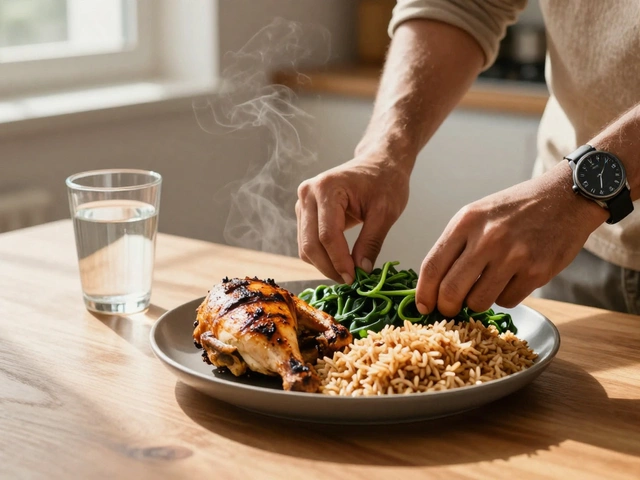
- Eat: Bitter greens (karela, methi), lentils (mung beans), barley, millet, warm soups, cooked vegetables, spices like turmeric, cumin, and fenugreek.
- Avoid: Dairy (especially cheese and ice cream), processed sugar, fried snacks, cold drinks, raw salads in the morning, and heavy grains like white rice and wheat.
Why avoid raw salads? Because they’re cold and hard to digest. Your body uses energy just to warm them up-energy that should be burning fat. Cooked food is easier to digest, so your body spends less energy on digestion and more on metabolism.
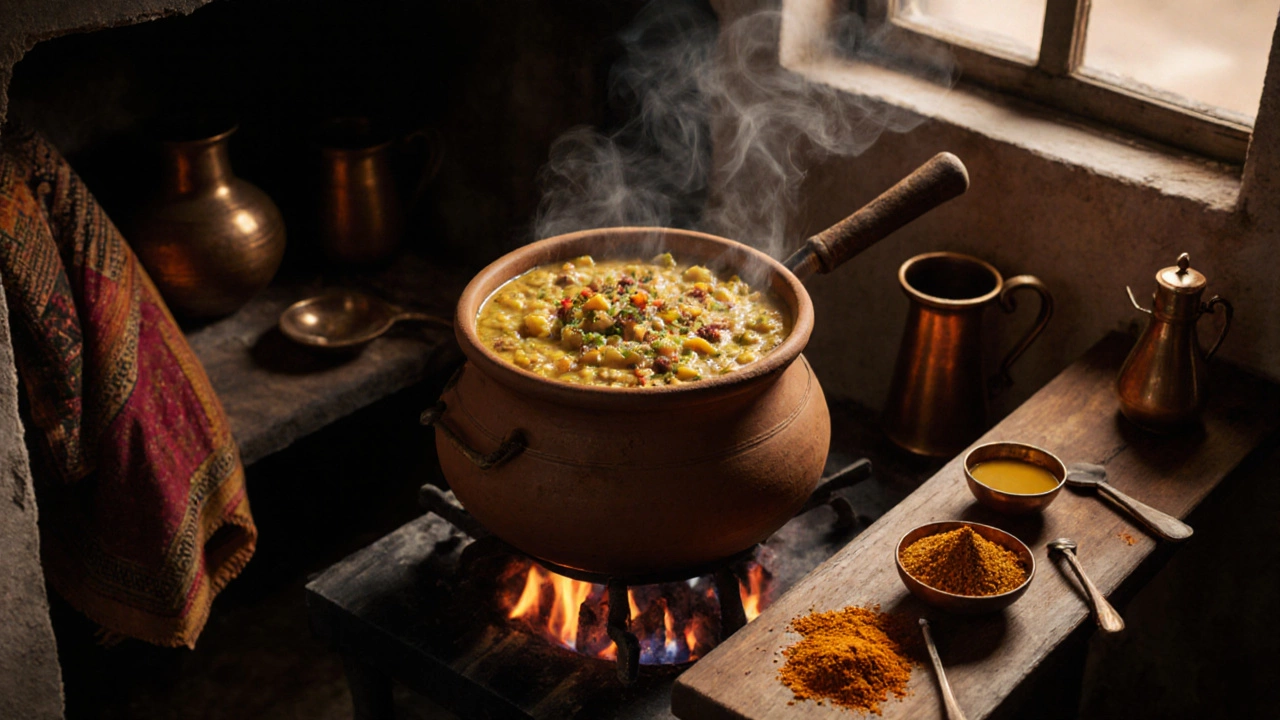
Meals should be warm, not hot. Spices should be used generously, but not to mask flavor-to stimulate digestion. A simple meal of moong dal khichdi with ghee and a pinch of hing (asafoetida) is one of the most powerful weight-balancing meals in Ayurveda.
Why Most People Fail
The biggest mistake? Trying to force Ayurveda to work like a Western diet. People buy Triphala, take it for a week, and expect to lose 5 kilos. When they don’t, they quit. Ayurveda doesn’t work on timelines. It works on consistency.
Another mistake: ignoring sleep. If you’re sleeping past 10 p.m., your liver doesn’t detox properly. That’s when toxins build up. Most people who struggle with weight loss in Ayurveda are the ones who stay up late, scroll on their phones, and eat dinner at 10 p.m.
And then there’s stress. High cortisol levels-caused by anxiety, overwork, or poor sleep-trigger fat storage, especially around the belly. Ayurveda treats stress with daily routines (dinacharya), breathing exercises (pranayama), and herbal adaptogens like Ashwagandha. You can’t lose weight if your nervous system is stuck in fight-or-flight mode.

Real Results: What to Expect
People who follow Ayurveda properly don’t drop weight fast. They lose it steadily. In 3 months, most see:
- 5-8% reduction in body fat
- Less bloating and morning heaviness
- More energy by mid-morning
- Fewer cravings for sugar and junk food
- Improved sleep quality
One woman from Bangalore, 48, had gained 12 kilos after menopause. She tried keto, intermittent fasting, gym workouts-nothing stuck. She switched to Ayurveda: warm lemon water, no dinner after 7 p.m., Triphala, daily walks before sunrise, and no dairy. In 14 weeks, she lost 9 kilos. Not because she counted calories. Because her body finally started working the way it was meant to.
Who Shouldn’t Try This
Ayurveda isn’t for everyone. If you’re pregnant, have kidney disease, or are on blood thinners, some herbs like Guggul or Triphala can interact. Always talk to a qualified Ayurvedic practitioner before starting. Don’t self-prescribe based on YouTube videos.
Also, if you’re severely overweight or have metabolic syndrome, Ayurveda should support-never replace-medical care. It’s a powerful tool, but not a cure-all.
Where to Start Today
You don’t need to overhaul your life overnight. Pick one thing:
- Start tomorrow with a glass of warm water and half a lemon.
- Stop eating after 7 p.m. for one week.
- Add one teaspoon of Triphala powder to warm water before bed.
- Walk for 20 minutes before sunrise, even if it’s cold.
Do that for 21 days. Then add the next step. That’s how Ayurveda works-small, consistent actions, not big, sudden changes.
Weight loss with Ayurveda isn’t about getting thin. It’s about getting balanced. When your digestion is strong, your sleep is deep, your stress is low, and your body isn’t holding onto toxins-you don’t need to force weight off. It just leaves.
Can Ayurveda help me lose belly fat specifically?
Yes, but not by targeting the belly alone. Belly fat is often tied to weak digestion, high stress, and poor sleep-all things Ayurveda addresses. Herbs like Triphala and Trikatu reduce internal inflammation and improve liver function, which helps break down visceral fat. Daily routines like early rising, warm meals, and pranayama lower cortisol, the hormone that stores fat around the waist. You won’t spot-reduce, but your whole body will rebalance, and belly fat will shrink naturally.
How long does it take to see results with Ayurveda for weight loss?
Most people notice changes in digestion and energy within 2-3 weeks. Visible fat loss usually starts around 6-8 weeks. For lasting results, Ayurveda recommends at least 3-6 months of consistent practice. Unlike crash diets, Ayurveda doesn’t cause rebound weight gain because it rebuilds your metabolism, not just burns calories.
Is Ayurvedic weight loss safe for long-term use?
Yes, when practiced correctly. Ayurveda focuses on daily habits-diet, sleep, movement, and mindfulness-that are meant to be lifelong. Herbs like Triphala and Ashwagandha are traditionally used for years without side effects. But quality matters. Use only trusted sources. Avoid products with added sugar, fillers, or synthetic ingredients. Always consult a practitioner if you have chronic conditions.
Can I combine Ayurveda with exercise or other diets?
You can, but carefully. Ayurveda works best with gentle movement-walking, yoga, swimming-not intense cardio or extreme fasting. If you’re on a keto or low-carb diet, you might overstimulate Pitta and create dryness, which Ayurveda sees as a problem. The best approach is to let Ayurveda guide your food choices and timing, and use exercise as a support-not a punishment.
Do I need to take Ayurvedic supplements to lose weight?
No. Many people lose weight successfully with just diet, routine, and movement. Supplements like Triphala or Guggul help speed things up, especially if your digestion is very weak. But if you’re consistent with warm meals, early dinners, and daily walks, you’ll see results without pills. Supplements are tools, not requirements.
If you’re ready to stop chasing quick fixes and start healing your body from the inside, Ayurveda offers a path that’s been tested for millennia. It’s not about what you eat-it’s about how you live.