
ADHD Impact & Symptom Identifier
Identify Your Struggles
Select the scenarios below that resonate with your daily experience. This tool helps visualize how these behaviors are neurological responses, not character flaws.
The Criticism Crash
Mild feedback feels like a physical blow or total failure.
Task Paralysis
Knowing what to do but physically unable to start.
Working Memory Gaps
Walking into rooms and forgetting why, or losing sentences mid-thought.
Time Blindness
5 minutes feels like 5 seconds until it suddenly feels like hours.
Masking Exhaustion
Feeling drained after "masking" or overcompensating to appear normal.
Avoidance Anxiety
Canceling plans or procrastinating to avoid potential criticism.
Your Profile Analysis
0%
Why This Happens (It's Not You)
Imagine you are standing in a kitchen. You have five minutes to make coffee. For most people, this is automatic. For an adult with ADHD, a neurodevelopmental disorder characterized by persistent patterns of inattention, hyperactivity, and impulsivity that interfere with functioning or development, it can feel like trying to solve a complex physics problem while someone is screaming in your ear. You forget the mug. You drop the beans. You stare at the machine, paralyzed by the sheer number of steps required. This isn't laziness. It’s not a character flaw. It is the daily reality of living with a brain that processes executive function differently.
We often hear about the "superpowers" of ADHD-creativity, hyperfocus, out-of-the-box thinking. While these traits exist, focusing on them ignores the heavy price paid to maintain them. The dark side of adult ADHD is rarely discussed in casual conversation because it looks so much like failure from the outside. It looks like missed deadlines, forgotten birthdays, and broken promises. But underneath those behaviors lies a storm of shame, exhaustion, and neurological friction that can erode a person’s sense of self-worth over decades.
The Silent Epidemic of Rejection Sensitive Dysphoria
If you talk to adults with ADHD, one theme emerges louder than any other: pain. Not physical pain, but an intense, visceral emotional reaction to perceived rejection or criticism. This is known as Rejection Sensitive Dysphoria (RSD), an extreme emotional sensitivity to the perception of being rejected, criticized, or failing to meet expectations. While RSD is not an official diagnosis in the DSM-5, it is widely recognized by clinicians and patients as a core feature of the ADHD experience.
For a neurotypical person, a boss saying, "This report needs more detail," might be annoying. For an adult with ADHD, that same comment can trigger a physiological crash. Your heart races, your stomach drops, and you feel a wave of shame so profound it feels like a physical blow. You might spiral into thoughts like, "I’m incompetent," "They hate me," or "I should just quit." This isn't oversensitivity; it’s a neurological wiring difference where the brain’s threat detection system overreacts to social cues.
This constant fear of rejection leads to avoidance behaviors. You might procrastinate on starting a project not because you don’t care, but because finishing it opens you up to the possibility of criticism. You might cancel plans last minute because the anxiety of potentially doing something wrong outweighs the desire for connection. Over time, this isolation deepens the depression that often co-occurs with ADHD.
Executive Dysfunction: More Than Just Being Messy
People often reduce ADHD to "messy rooms" or "losing keys." That’s a surface-level view. The real issue is Executive Dysfunction, the impairment of cognitive functions such as working memory, attention control, cognitive flexibility, planning, inhibition, and multitasking. Think of your prefrontal cortex as the CEO of your brain. In ADHD, the CEO is either asleep, on vacation, or overwhelmed by too many emails at once.
This manifests in ways that are devastating to adult life:
- Task Initiation Paralysis: You know what you need to do. You want to do it. But you physically cannot start. It’s like trying to push a car uphill without gear. This leads to chronic lateness and missed opportunities.
- Working Memory Deficits: You walk into a room and forget why. You’re in the middle of a sentence and lose the thread. You promise to call a friend and then genuinely believe you already did. These small failures accumulate into a narrative of unreliability.
- Time Blindness: Time doesn’t feel linear. Five minutes feels like five seconds until it suddenly feels like five hours. This makes punctuality nearly impossible without external aids, leading to constant stress and apologies.
The frustration comes from the gap between intention and action. You intend to be organized. You buy planners. You download apps. But the brain chemistry doesn’t support the habit formation needed to use them consistently. The result? A cycle of setting goals, failing to meet them, and blaming yourself for lacking willpower.
The Cycle of Shame and Self-Esteem Erosion
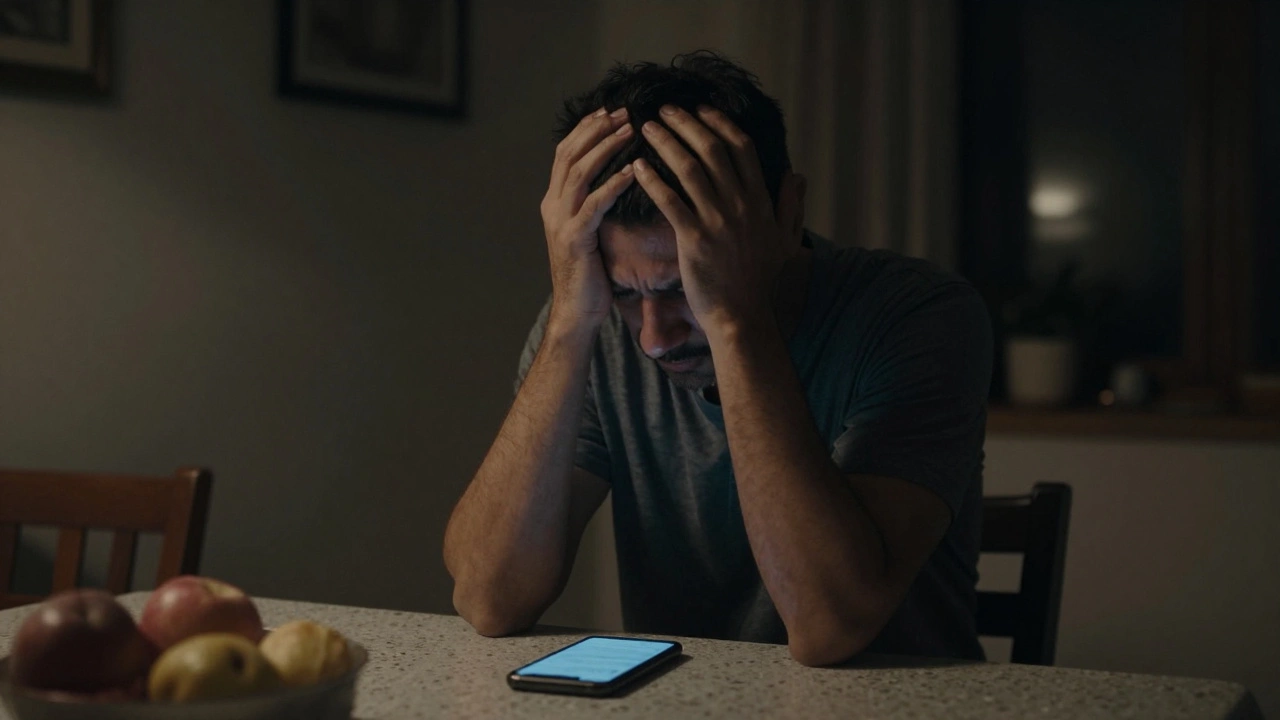
Shame is the shadow companion of undiagnosed or poorly managed ADHD. From childhood, many adults with ADHD were labeled as "lazy," "disruptive," or "not trying hard enough." They received punishments for behaviors they couldn’t control. By adulthood, these messages are internalized.
You look at your peers. They seem to glide through life. They remember appointments. They keep their houses clean. They advance in their careers. Meanwhile, you are fighting a battle every single day just to show up. When you inevitably stumble-and you will, because the brain is wired to struggle with consistency-you don’t think, "My brain is different." You think, "I am broken."
This erosion of self-esteem is insidious. It affects relationships, career choices, and mental health. Many adults with ADHD develop secondary conditions like anxiety and depression as coping mechanisms. The anxiety tries to control the chaos; the depression accepts the defeat. Breaking this cycle requires recognizing that the problem is neurological, not moral.
Relationship Strain: The Partner’s Burden
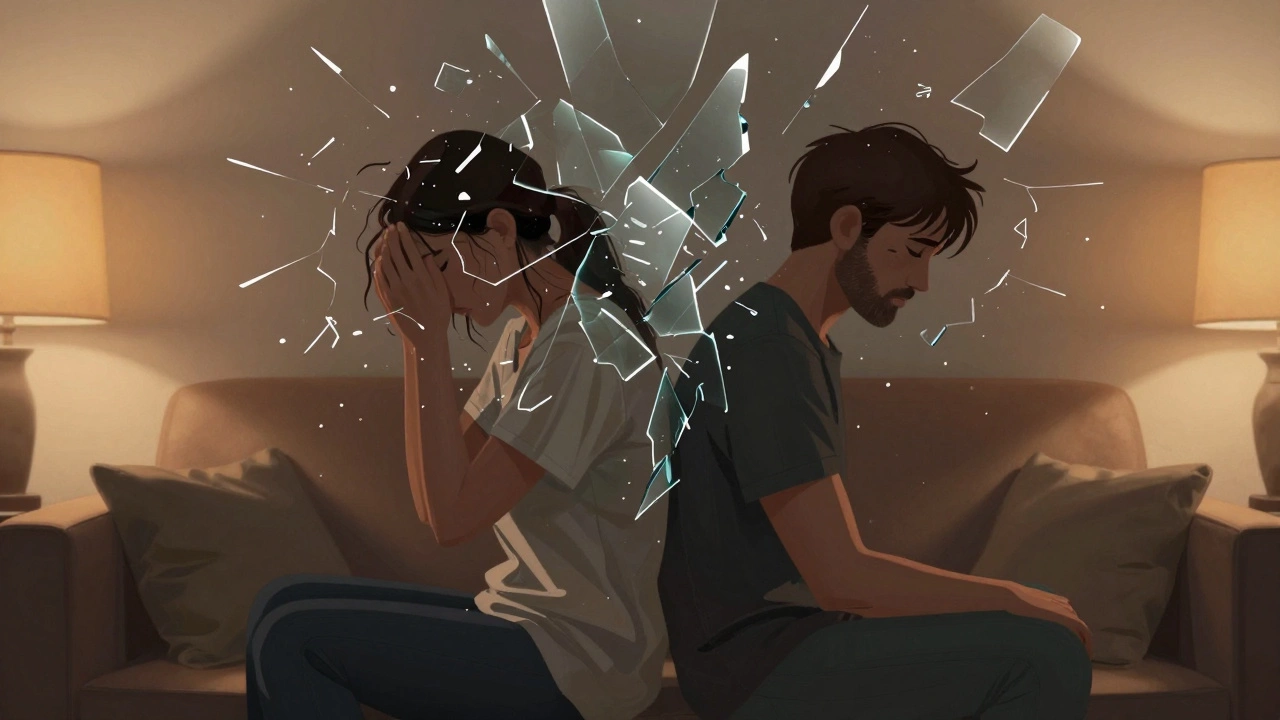
ADHD doesn’t just affect the individual; it ripples outward to everyone around them. Romantic partners often take on the role of the "executive function manager." They remember the bills, schedule the doctor’s appointments, and nag about chores. At first, this might seem helpful. Over time, it breeds resentment.
The partner with ADHD feels constantly criticized. The non-ADHD partner feels like a parent rather than a spouse. This dynamic is toxic. Communication breaks down. Intimacy suffers. Studies show that ADHD is a significant predictor of divorce rates, often higher than financial stress or infidelity.
Even friendships suffer. Friends may stop inviting you out because you’re always late or flaky. Family members may express disappointment in your life choices. The loneliness that follows is profound. You crave connection, but your symptoms push people away. It’s a cruel paradox.
ADHD Burnout: When the Mask Slips
To survive in a world built for neurotypical brains, many adults with ADHD learn to "mask." They overcompensate. They work twice as hard to appear average. They rehearse conversations. They set twenty alarms. This masking requires immense energy.
Eventually, the battery runs out. This is ADHD Burnout, a state of intense physical, mental, and emotional exhaustion resulting from long-term stress and unmanaged ADHD symptoms. Unlike regular burnout, which might be relieved by a vacation, ADHD burnout often requires a complete restructuring of life. Symptoms include:
- Total inability to perform basic tasks (showering, eating).
- Severe irritability and emotional volatility.
- Sleep disturbances.
- A sense of total hopelessness.
Burnout is the body’s way of forcing a shutdown. It’s a signal that the current coping strategies are no longer sustainable. Ignoring it leads to deeper crises.
| Challenge Area | Neurotypical Experience | Adult ADHD Experience |
|---|---|---|
| Procrastination | Often due to lack of interest or poor time management | Neurological paralysis; inability to initiate task despite desire |
| Criticism | Annoyance or mild defensiveness | Intense emotional pain (RSD); feelings of worthlessness |
| Organization | Habitual; systems stick relatively easily | Constant effort; systems fail without active maintenance |
| Focus | Can direct attention voluntarily | Attention is interest-based; difficult to sustain on low-dopamine tasks |
Finding Light in the Darkness
Acknowledging the dark side is not about despairing. It’s about validation. When you understand that your struggles are rooted in biology, not bad character, you can start to treat yourself with compassion. Therapy, particularly Cognitive Behavioral Therapy (CBT) adapted for ADHD, can help reframe negative thought patterns. Medication, when appropriate, can provide the chemical support needed to bridge the gap between intention and action.
Building external structures is crucial. Use technology to remind you. Hire help if you can afford it. Communicate openly with loved ones about your needs. Most importantly, forgive yourself for the days you fall short. You are navigating a world not designed for your brain. Every small victory is a triumph.
Is Rejection Sensitive Dysphoria (RSD) a real medical condition?
RSD is not currently listed as a distinct diagnosis in the DSM-5, but it is widely recognized by ADHD specialists and researchers as a common symptom associated with ADHD. It describes an extreme emotional response to perceived rejection, which significantly impacts quality of life and mental health.
How does ADHD burnout differ from regular burnout?
Regular burnout is usually job-related and can often be resolved with rest. ADHD burnout is systemic, resulting from years of compensating for executive dysfunction. It affects all areas of life, including basic self-care, and often requires professional intervention and lifestyle changes to recover from.
Can adults with ADHD improve their executive function?
Yes, but it requires different strategies than typical advice. Instead of relying on willpower, adults with ADHD benefit from externalizing memory (using calendars, alarms), breaking tasks into micro-steps, and using medication to improve focus. Consistency is key, but relapses are normal.
Why is ADHD harder to diagnose in women?
Women often present with inattentive symptoms rather than hyperactive ones. They are also more likely to mask their symptoms to fit social norms, leading to misdiagnosis as anxiety or depression. Diagnosis often occurs later in life, sometimes after children are diagnosed.
What is the best therapy for adult ADHD?
Cognitive Behavioral Therapy (CBT) specifically tailored for ADHD is highly effective. It helps patients identify negative thought patterns, develop practical coping skills, and manage emotional dysregulation. Coaching focused on organizational skills is also beneficial.