Prescription Medication Checker
Find out if your medication can be prescribed by online doctors based on the conditions discussed in the article. Note: State regulations vary significantly.
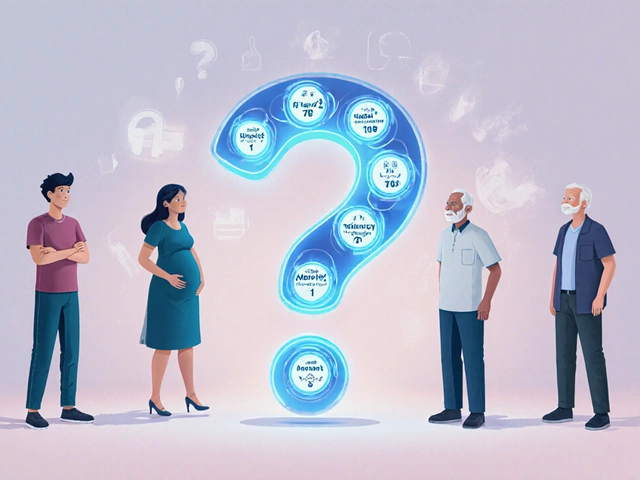
When you’re sick, tired, or just don’t want to sit in a waiting room, online doctors offer a fast, quiet way to get help. But a big question keeps popping up: what medications can online doctors prescribe? The answer isn’t simple-it depends on what you need, where you live, and the rules in your state or country. But here’s the truth: online doctors can prescribe a lot. Not everything, but plenty of common, effective treatments.
Common Medications Online Doctors Can Prescribe
Most online doctors handle routine, short-term conditions. For these, prescribing is straightforward and safe. Antibiotics like amoxicillin, azithromycin, or doxycycline are common for infections-ear infections, sinusitis, strep throat. If you’ve had these before and your symptoms match, an online doctor can often confirm the diagnosis and send the script to your pharmacy.
For allergies, antihistamines like loratadine (Claritin) or cetirizine (Zyrtec) are routinely prescribed. Same with acid reflux-medications like omeprazole (Prilosec) or famotidine (Pepcid) are easy to manage remotely. Skin conditions like acne get treated with topical creams or oral antibiotics like minocycline. Migraines? Sumatriptan or rizatriptan can be sent electronically.
Chronic conditions are also handled. If you’re already on blood pressure meds like lisinopril or metoprolol, an online doctor can refill those after reviewing your recent records. Same with thyroid meds like levothyroxine. Many people use telehealth for these because they don’t need a physical exam every few months-just a quick check-in and lab results.
What About Mental Health Medications?
Yes, online doctors can prescribe antidepressants, anti-anxiety meds, and even ADHD medications-but with limits. SSRIs like sertraline (Zoloft), escitalopram (Lexapro), and fluoxetine (Prozac) are commonly prescribed after a mental health evaluation. For anxiety, buspirone or benzodiazepines like lorazepam may be given, but only for short periods and with strict follow-ups.
ADHD meds like methylphenidate (Ritalin) or amphetamine salts (Adderall) are trickier. Federal rules in the U.S. require an in-person visit before prescribing stimulants for the first time. After that, refills can be done online, but only if your state allows it and you’ve had regular check-ins. Some states have relaxed this rule during the pandemic, but many still require a physical visit every 6 to 12 months.
Controlled Substances: The Big Restriction
Here’s where things get strict. Under the U.S. DEA’s Ryan Haight Act, online doctors cannot prescribe controlled substances like opioids (oxycodone, hydrocodone), benzodiazepines (Xanax, Klonopin), or stimulants (Adderall, Vyvanse) without an in-person exam first. This law was made to stop pill mills and fake prescriptions.
There’s one exception: during public health emergencies, like the COVID-19 pandemic, temporary rules allowed prescriptions without an in-person visit. But as of 2025, those emergency rules have mostly expired. Now, you need to see a provider in person before getting a first-time prescription for any Schedule II or III drug.
Some states have passed their own laws to make this easier. For example, California allows telehealth prescribing of controlled substances if the patient has had a prior in-person visit with any licensed provider in the last 12 months. But in Texas or Florida, the rules are tighter. Always check your state’s medical board website for the latest rules.
Birth Control and Hormones
Online doctors can prescribe most forms of birth control: pills, patches, rings, and even some IUDs (though you’ll still need to go to a clinic for insertion). Hormonal treatments like estrogen or progesterone for menopause symptoms are also commonly handled online. For transgender patients, hormone therapy (testosterone or estrogen) can be started and monitored via telehealth-many clinics specialize in this.
Before prescribing, online providers will ask about your medical history, smoking status, blood pressure, and family history of blood clots. They’ll also want recent lab results. If everything checks out, they’ll send the prescription. You don’t need a pelvic exam to get birth control via telehealth, which is why so many people prefer it.
What Online Doctors CANNOT Prescribe
There are clear limits. First, no controlled substances without an in-person visit (as explained). Second, no injectables you can’t self-administer-like insulin pens are okay, but IV antibiotics or Botox injections are not. Third, no medications that require complex monitoring, like chemotherapy or immunosuppressants for organ transplants. Those need specialist oversight in a clinic.
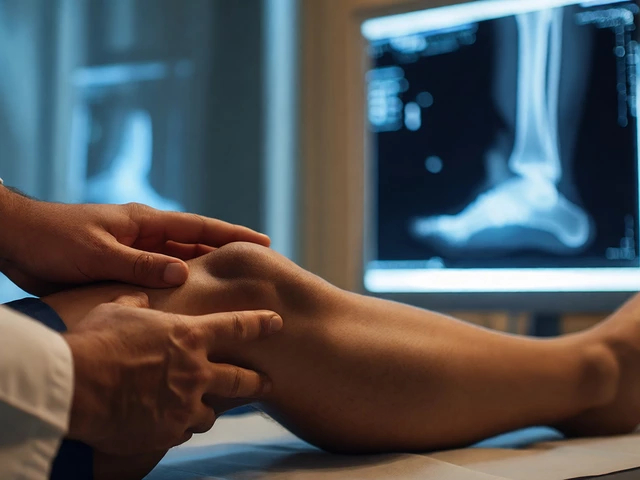
Also, no medications that require imaging or physical exams to diagnose. For example, if you think you have pneumonia, an online doctor can’t prescribe antibiotics without a chest X-ray. Same with ear infections in kids-if the doctor can’t see your child’s eardrum, they won’t prescribe. They’ll tell you to go to a clinic or urgent care.
How the Process Works
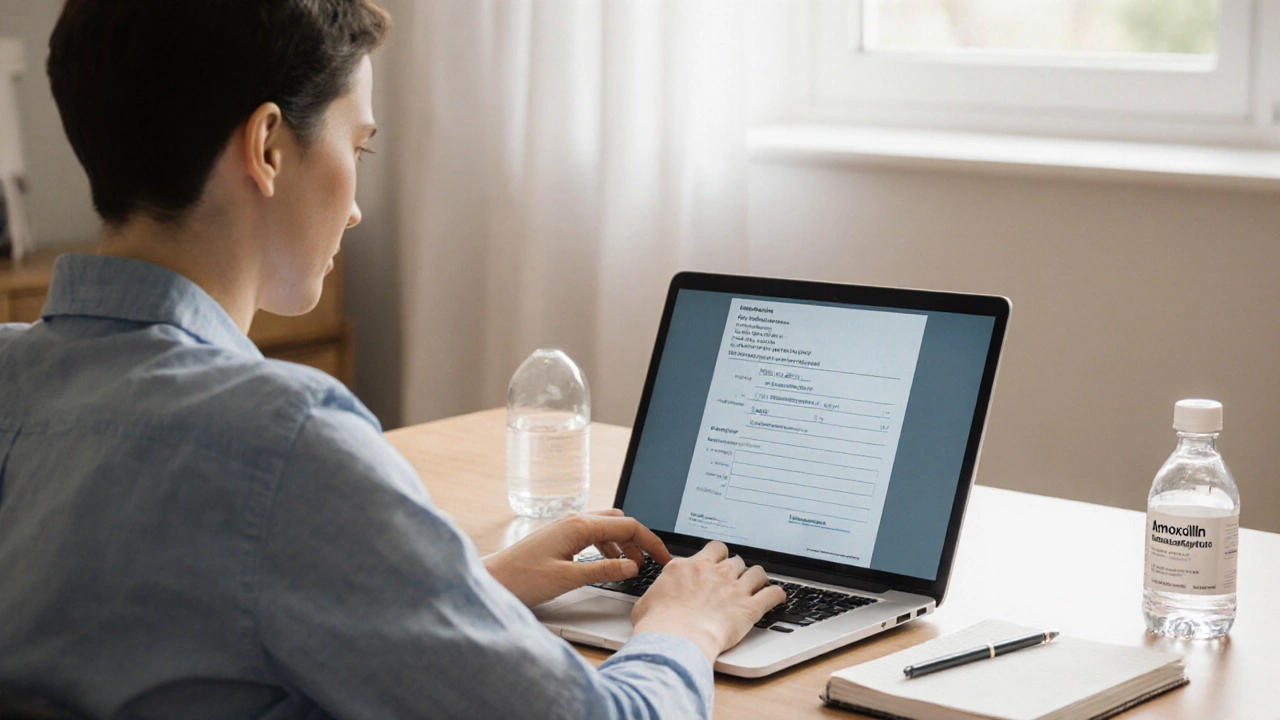
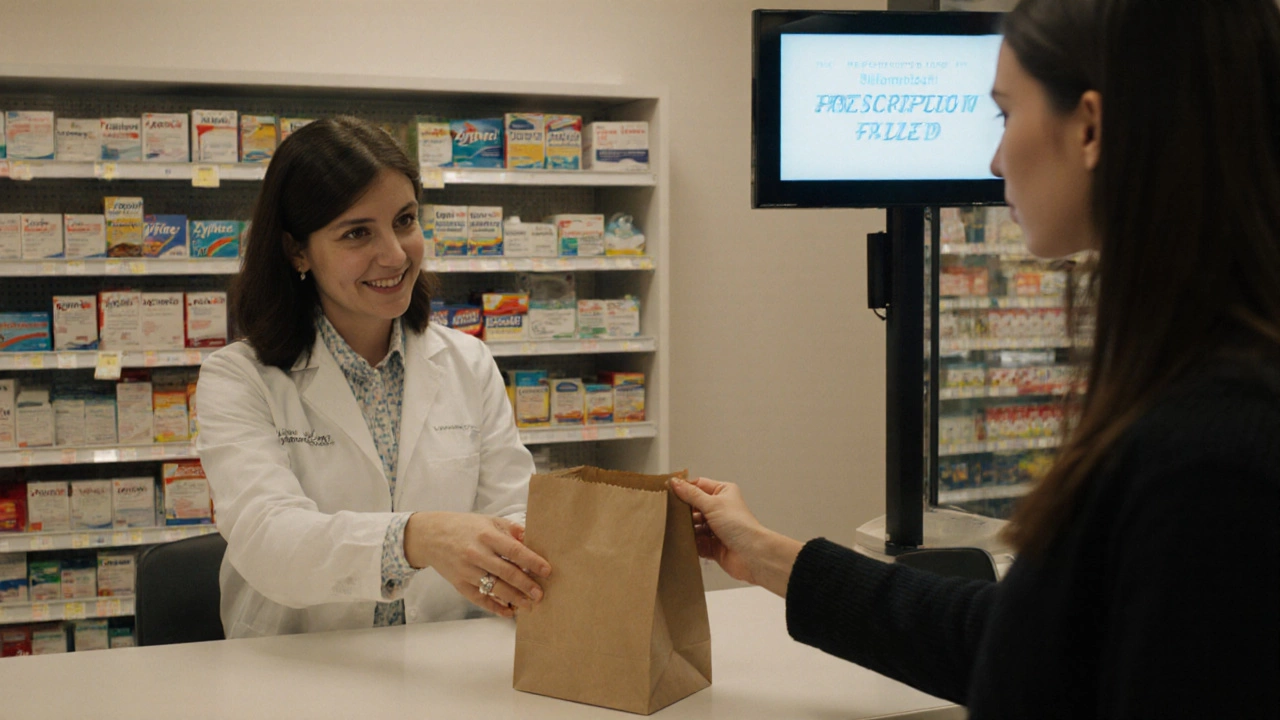
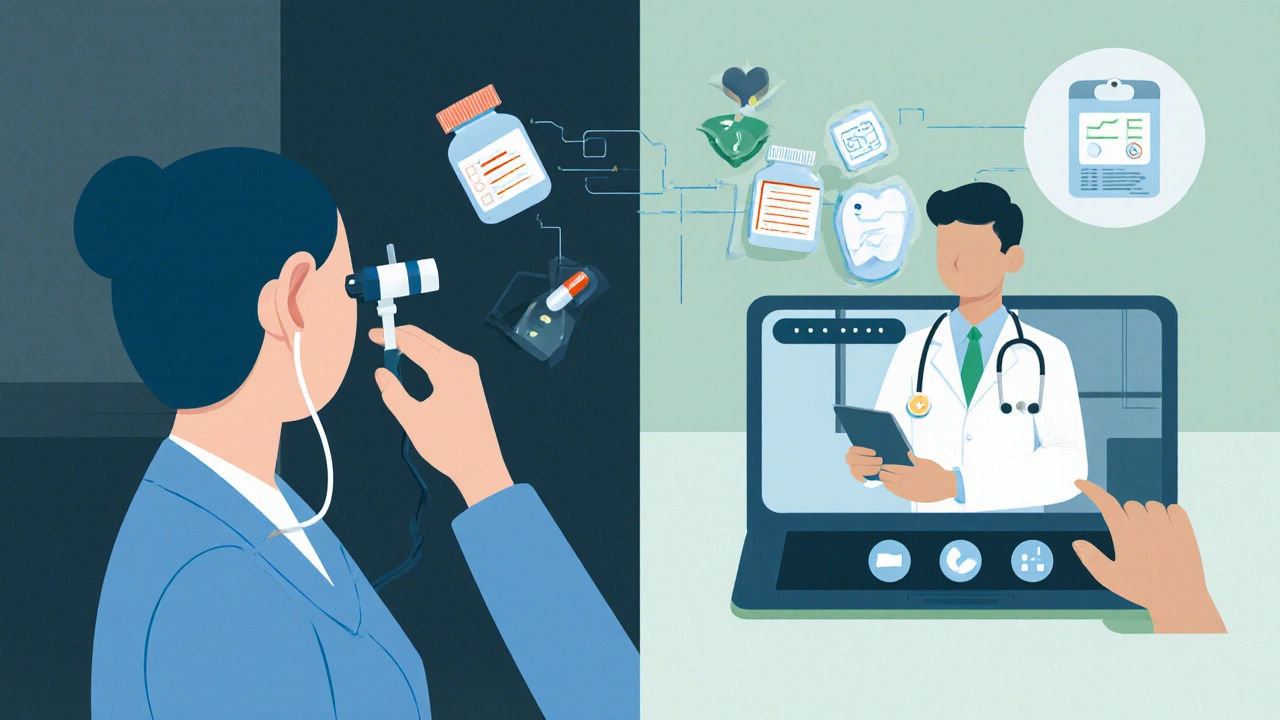
It’s simple: you sign up on a telehealth platform, answer questions about your symptoms, and chat with a licensed doctor via video or secure message. The doctor reviews your history, asks follow-ups, and decides if a prescription is safe. If yes, they send it electronically to your preferred pharmacy. You’ll get a text or email when it’s ready.
Most platforms require you to create a profile with your medical history, allergies, current meds, and insurance info. Some even connect to your EHR (electronic health record) from your primary care doctor. This helps avoid dangerous drug interactions.
Payment varies. Some services charge $30-$75 per visit. Others take insurance. If you’re paying out of pocket, generic meds are cheap-often under $10 at Walmart, Costco, or GoodRx.
Red Flags to Watch For
Not all online clinics are legit. Watch out for these warning signs:
- They offer controlled substances without any questions or history review
- You can pick your medication like a menu ("I want Xanax, please")
- No video call-just a chatbot or form
- They ship meds directly from overseas without a U.S. pharmacy license
Legit providers follow FDA and DEA rules. They don’t promise instant cures. They ask about your lifestyle, past treatments, and risks. If it feels too easy, it probably is.
What Happens After You Get the Prescription?
Once you fill the script, keep track. Did the medicine help? Any side effects? Many telehealth services offer free follow-ups within 7-14 days. Use them. If you’re on a new antidepressant, you might need a check-in after two weeks. If you’re on antibiotics, call if symptoms don’t improve in 48 hours.
Some conditions need ongoing monitoring. For example, if you’re on blood thinners like warfarin, you’ll still need regular INR blood tests. Online doctors can manage the prescription, but you’ll need to go to a lab or clinic for tests.
Don’t assume an online doctor will refill your meds forever. Most require periodic evaluations-every 3 to 6 months-to make sure the treatment still fits your needs.
International Differences
Rules vary wildly outside the U.S. In Canada and the UK, telehealth prescriptions are common and include many controlled substances under strict guidelines. In Australia, GPs can prescribe most meds online after a video consult. But in countries like India or Brazil, regulations are still catching up. Always check your country’s medical board before using an international service.
Be extra careful with online pharmacies that ship from overseas. Many sell counterfeit or unapproved drugs. The FDA warns that over 50% of websites selling prescription drugs from outside the U.S. are illegal. Stick to U.S.-licensed pharmacies with a physical address and a licensed pharmacist on staff.