TKA Recovery Timeline: What to Expect After Knee Replacement
When you undergo total knee arthroplasty, a surgical procedure to replace a damaged knee joint with an artificial implant. Also known as TKA, it’s one of the most common orthopedic surgeries in India, helping people walk again without pain. But knowing the TKA recovery timeline isn’t just about counting days—it’s about understanding what your body actually needs at each stage.
Recovery doesn’t happen overnight. Most people start walking with help within 24 hours after surgery. By day 3 to 5, many can climb stairs with support. But the real milestones come later. Around week 2, swelling begins to drop, and you’ll likely stop using a walker. By week 6, most patients can walk without assistive devices, though stiffness and muscle weakness still linger. Full strength and range of motion? That takes 3 to 6 months. This isn’t a race. It’s a process shaped by your age, pre-surgery fitness, how well you follow rehab instructions, and even your diet. The knee replacement recovery, the full healing journey after joint surgery, including physical therapy, pain management, and activity modification is different for everyone—but the stages are predictable.
What you do in the first 30 days sets the tone for everything after. Skipping physical therapy? You’ll lose mobility. Not doing ankle pumps? You risk blood clots. Ignoring swelling? It slows healing. Your surgeon gives you a checklist, but real recovery happens in the small daily habits: walking 10 extra steps each day, doing your prescribed exercises even when it hurts, keeping your leg elevated, and eating protein-rich meals to repair tissue. post-op knee care, the daily actions taken after knee surgery to prevent complications and promote healing isn’t glamorous. It’s repetitive. But it works. And in India, where many patients recover at home without hospital stays, these habits make all the difference.
Some people expect to feel normal by month two. They’re disappointed when they still can’t squat or kneel. Others think they’re doing great at six weeks—until they try walking uphill. The truth? TKA recovery isn’t linear. There are good days and bad days. Some weeks you feel stronger. Others, you feel stuck. That’s normal. The key is consistency, not speed. Your body is rebuilding ligaments, retraining muscles, and adjusting to a new joint. That takes time. And while pain meds help, the real medicine is movement—guided, gentle, and regular.
By month 3, most people can drive again. By month 6, many return to low-impact activities like swimming or cycling. Full recovery—where you forget you had surgery—often takes a year. But you won’t get there by waiting. You’ll get there by showing up for your rehab, even on the tough days. The rehabilitation after knee surgery, the structured program of exercises and therapies designed to restore function after joint replacement isn’t optional. It’s the bridge between surgery and freedom.
Below, you’ll find real stories and practical guides from people who’ve walked this path. From showering safely after surgery to knowing when to push through pain and when to rest, these posts cut through the noise. No fluff. No marketing. Just what works—for your body, in your life, in India.
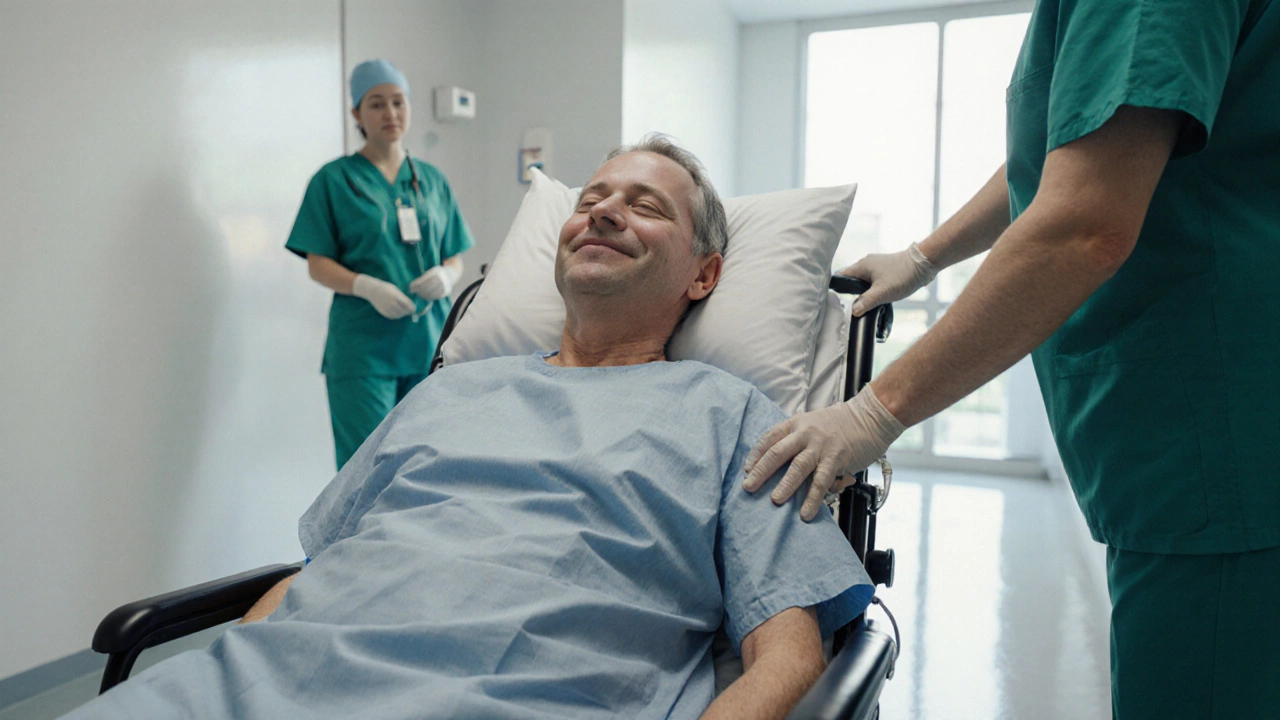
What Is the Hardest Day After Knee Replacement? A Detailed Recovery Guide
Find out which day after knee replacement is usually the toughest, why it hurts so much, and practical tips to ease pain, swelling, and rehab for a smoother recovery.

Recent Posts

Bad Knees: The #1 Mistake That Makes Them Worse
May 13, 2025
Most Popular Diabetic Pill: What You Need to Know
March 18, 2025