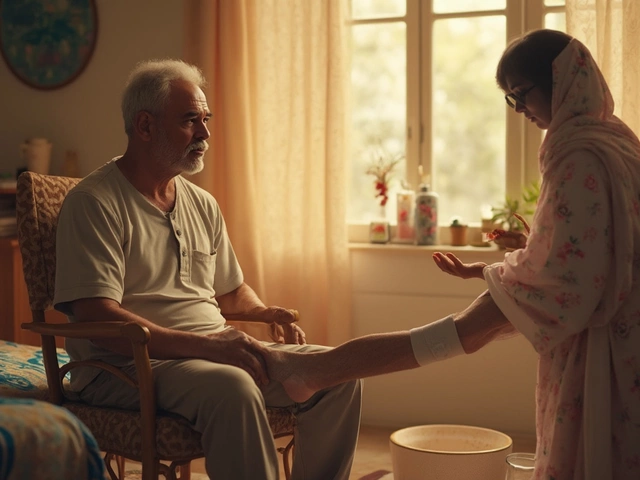
Therapy Burnout: Signs, Causes, and What to Do Next
When therapy burnout, the emotional and physical exhaustion that comes from long-term mental health treatment, either as a patient or provider. Also known as compassion fatigue, it’s not weakness—it’s a signal your system is overloaded. Many people expect therapy to fix everything, but they don’t talk about how draining it can be to keep showing up, week after week, when nothing seems to change. And therapists? They’re not immune. In India, where mental health care is still stigmatized and underfunded, many therapists carry 20+ clients a day with little support. The result? Quiet collapse.
emotional exhaustion, a core symptom of therapy burnout where you feel empty, numb, or too tired to care shows up differently for clients and therapists. For you, the client, it might mean skipping sessions, feeling worse after talking, or doubting if therapy even works. For therapists, it’s dreading calls, losing empathy, or feeling like a fraud—even when they’re good at their job. This isn’t about bad therapy. It’s about systems that don’t protect the people inside them. In India, where therapy is often seen as a luxury, both sides are left to suffer in silence. The mental health therapy, structured, professional support for emotional and psychological well-being model we follow was built in the West. It doesn’t always fit here, where family pressure, financial stress, and lack of insurance make consistent care nearly impossible.
Therapy burnout doesn’t mean you failed. It means the system needs adjusting. Some people need shorter sessions. Others need group therapy instead of one-on-one. Some therapists need supervision, not just more clients. And sometimes, the best thing you can do is take a break—not because you’re broken, but because you’re human. The posts below share real experiences from people in India who hit this wall. You’ll find stories from patients who walked away and came back stronger. From therapists who learned to set boundaries. From families who finally understood why their loved one needed space. This isn’t about giving up on therapy. It’s about making it work for you—on your terms.
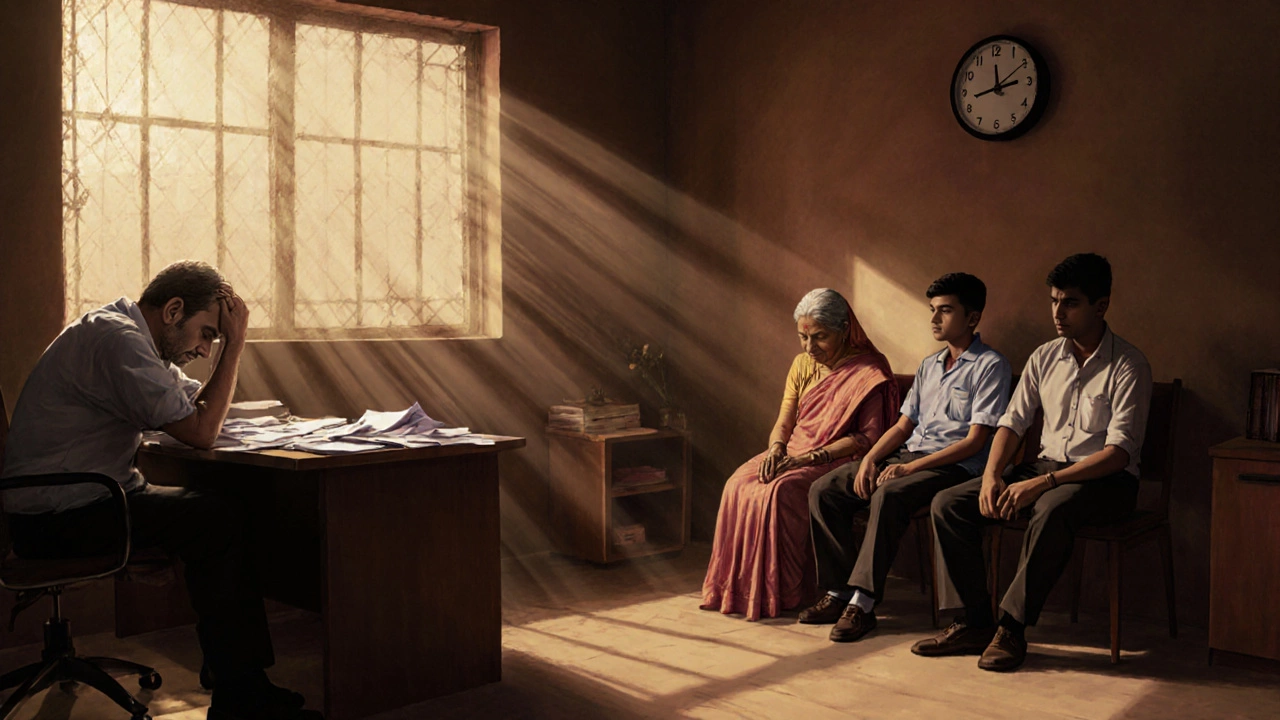
Is Too Much Therapy Harmful? Risks of Over‑doing Counseling
Explore how excessive therapy can backfire, recognize warning signs, and learn practical ways to keep counseling effective and balanced.

Recent Posts

Surviving Stage 4 Cancer: Real Stories and Insights
February 10, 2025
Top 3 Most Aggressive Cancers: What You Need to Know
March 24, 2025