Recovery Time: What to Expect After Surgery, Illness, and Treatment
When you're dealing with surgery, illness, or a major treatment, recovery time, the period your body needs to heal after physical stress or medical intervention. Also known as healing timeline, it's not just about waiting—it's about working with your body’s natural process to get back to normal. There’s no one-size-fits-all answer. A knee replacement might take weeks to months, while recovering from a mild infection could be just days. What matters most isn’t the calendar—it’s how your body responds.
Post-surgery recovery, the phase after an operation where healing, mobility, and strength return depends on the type of surgery, your age, overall health, and even your diet. For example, after a knee replacement, the hardest day is often the second or third—when swelling peaks and pain meds start wearing off. But recovery isn’t just about pain fading. It’s about rebuilding strength, learning to walk again, and adjusting to new limits. Meanwhile, rehabilitation, structured activity or therapy designed to restore function after injury or illness isn’t optional. Skipping physical therapy after heart surgery or joint replacement doesn’t just slow you down—it increases your risk of long-term problems.
Recovery time also changes when you’re managing chronic conditions. Taking Ozempic for weight loss or GLP-1 drugs for diabetes doesn’t mean you bounce back overnight. The body adapts slowly. Even mental health recovery—like adjusting after therapy or starting medication for ADHD—has its own rhythm. You might feel better in weeks, but full stability often takes months. And in cases like cancer end-of-life care, recovery isn’t the goal. Instead, the focus shifts to comfort, dignity, and quality of life. That’s still a form of healing.
What you eat, how you sleep, and whether you move—even gently—can cut recovery time by days or even weeks. Vitamin D3 helps your bones heal faster after surgery. CoQ10 supports energy levels when you’re recovering from heart procedures. And ignoring your mental state? That can delay physical healing too. The body doesn’t heal in a vacuum.
Below, you’ll find real stories and practical advice from people who’ve been through it: the toughest days after knee replacement, how long it takes to feel normal after IVF cycles, what to eat to speed up healing, and why some people recover faster than others—even with the same diagnosis. These aren’t guesses. They’re lessons from real experiences in Indian healthcare.

How Long to Walk Normally After Knee Replacement?
Recovering from knee replacement surgery is a journey that involves patience and rehabilitation. Generally, patients start walking shortly after surgery with the help of physical therapy. Most individuals begin feeling more stable on their feet within six weeks, but a full return to normal walking can take a few months. Factors like age, general health, and adherence to post-op guidelines significantly influence recovery time.

Recent Posts

What is the most popular medication for diabetes?
December 16, 2025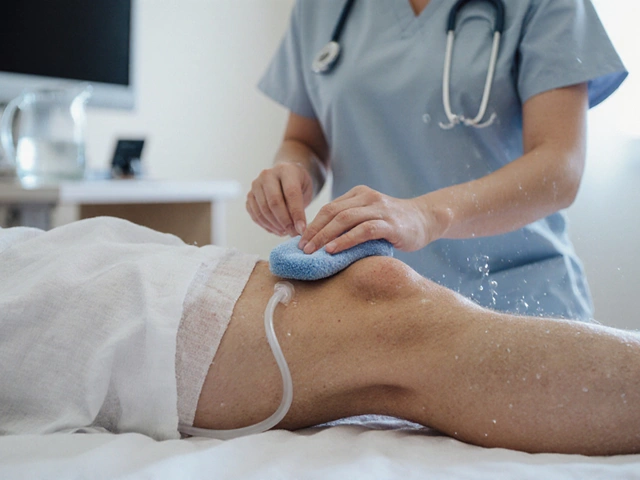
Shower Timing After Knee Replacement: When Is It Safe?
October 22, 2025
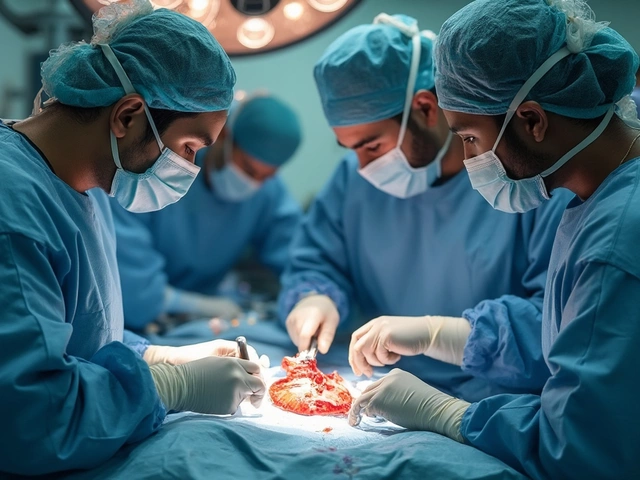
What is the Number One Most Painful Heart Surgery?
March 31, 2025