Post Surgery Mood Changes: Why They Happen and What to Do
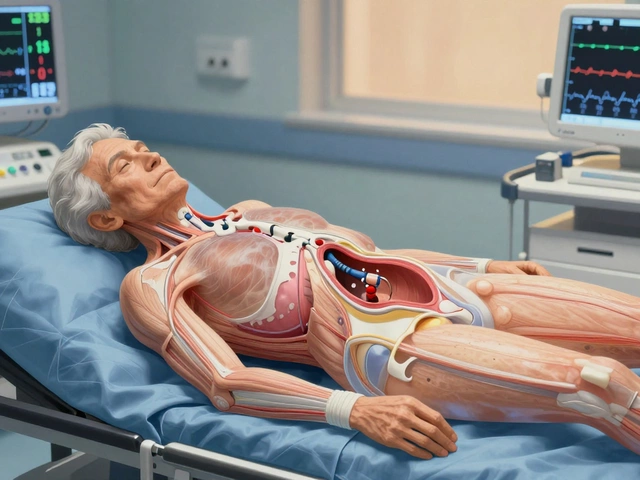
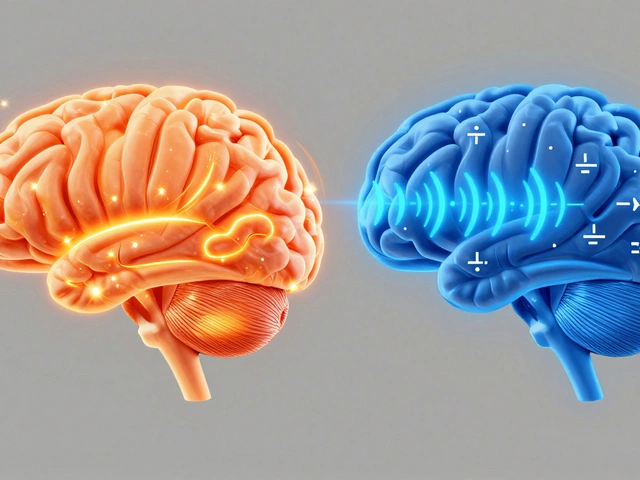
When your body heals after surgery, your mind doesn’t always keep up. Post surgery mood changes, sudden shifts in emotion, energy, or thinking after an operation. Also known as postoperative psychological response, they’re not rare—they’re normal. You might feel tearful for no reason, angry at loved ones, or completely numb. Maybe you can’t sleep, or you sleep too much. You might forget simple things, or feel like you’re not yourself. This isn’t weakness. It’s biology.
These changes aren’t just "in your head." Anesthesia, the drugs used to put you under during surgery can linger in your system for days, messing with brain chemicals like serotonin and dopamine. Pain medications, especially opioids, can cause confusion, drowsiness, or even hallucinations. And let’s not forget the stress of being in a hospital—bright lights, strange noises, disrupted sleep, and the fear of what’s next. All of this adds up. Studies show nearly 1 in 3 patients experience noticeable mood shifts after major surgery, especially after heart, joint, or cancer procedures. In India, where family support systems are strong but mental health conversations are still quiet, these feelings often go unspoken.
It’s not just about feeling sad. Some people get overly cheerful, impulsive, or even paranoid. Others shut down completely. These aren’t signs of failure. They’re your brain adjusting. The good news? Most of these changes fade within days or weeks as your body recovers. But if they stick around longer than two weeks, get worse, or include thoughts of self-harm, you need help—fast. Talking to your surgeon, a counselor, or even a trusted nurse can make all the difference.
Below, you’ll find real stories and practical advice from people who’ve been through this. From what to expect in the first week after knee replacement to why heart surgery can trigger strange behaviors, these posts cut through the noise. No fluff. Just what works, what to watch for, and how to ask for help without feeling guilty.
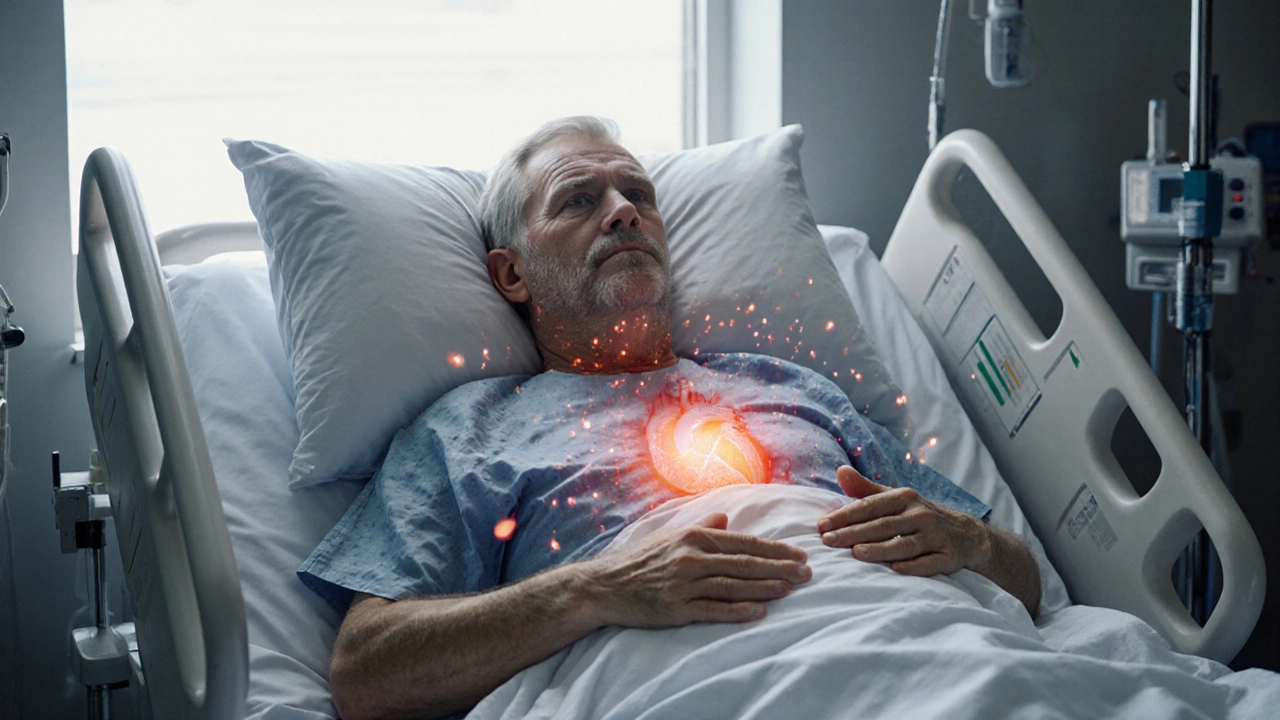
Post-Open-Heart Surgery Anger: Causes and Coping Strategies
Discover why anger often follows open‑heart surgery, learn the physiological and medication triggers, and get practical coping steps to regain emotional balance.

Recent Posts
How Many Rounds of IVF Does It Take to Get Pregnant?
February 3, 2026
Oral Activity Post-Heart Surgery: What's Safe and What's Not?
January 30, 2025