Panchakarma Results: What to Expect and How It Really Works
When you hear Panchakarma, a traditional Ayurvedic detox and rejuvenation therapy used for centuries in India. Also known as Ayurvedic cleansing, it’s not just a spa day—it’s a structured process to remove deep-seated toxins and reset your digestion, energy, and mental clarity. Unlike quick cleanses or juice fasts, Panchakarma works slowly, often over days or weeks, and its results show up in ways you might not expect.
The process includes five main actions: vomiting, purgation, enemas, nasal cleansing, and bloodletting—though not all are used for everyone. What matters most is how your body responds. People often report better sleep, clearer skin, and less bloating within days. But you might also feel tired, headachy, or emotionally raw. That’s not a bad sign. It’s your body releasing stored stress and toxins. This is where many get confused—they think they’re getting sicker, when really, they’re healing. The Ayurvedic detox, a holistic system focused on balancing the body’s three doshas—Vata, Pitta, and Kapha doesn’t just clean your gut; it recalibrates your entire system. And that takes time.
Results vary based on your starting point. Someone with chronic fatigue or digestive issues often feels the biggest shift—like waking up after years of sleeping. Others notice subtle changes: their skin glows, their joints move easier, or they stop craving sugar. The key is consistency. Skipping sessions or going back to junk food right after defeats the purpose. The real power of Panchakarma isn’t in the treatment alone—it’s in the lifestyle that follows. That’s why so many people in India combine it with daily routines like warm water in the morning, oil pulling, and eating seasonal foods. The detox symptoms, temporary reactions like headaches, mood swings, or skin breakouts during cleansing are normal, but they should fade. If they don’t, it’s a sign the process was too aggressive or not tailored right.
What you’ll find in the posts below are real stories and science-backed insights from people who’ve tried Panchakarma in India. You’ll see what worked, what didn’t, and why some people swear by it while others feel nothing. There’s no magic pill here—just honest experiences about how Ayurveda’s oldest healing method truly affects the body. Whether you’re curious, skeptical, or ready to try it, these posts cut through the hype and show you what’s real.
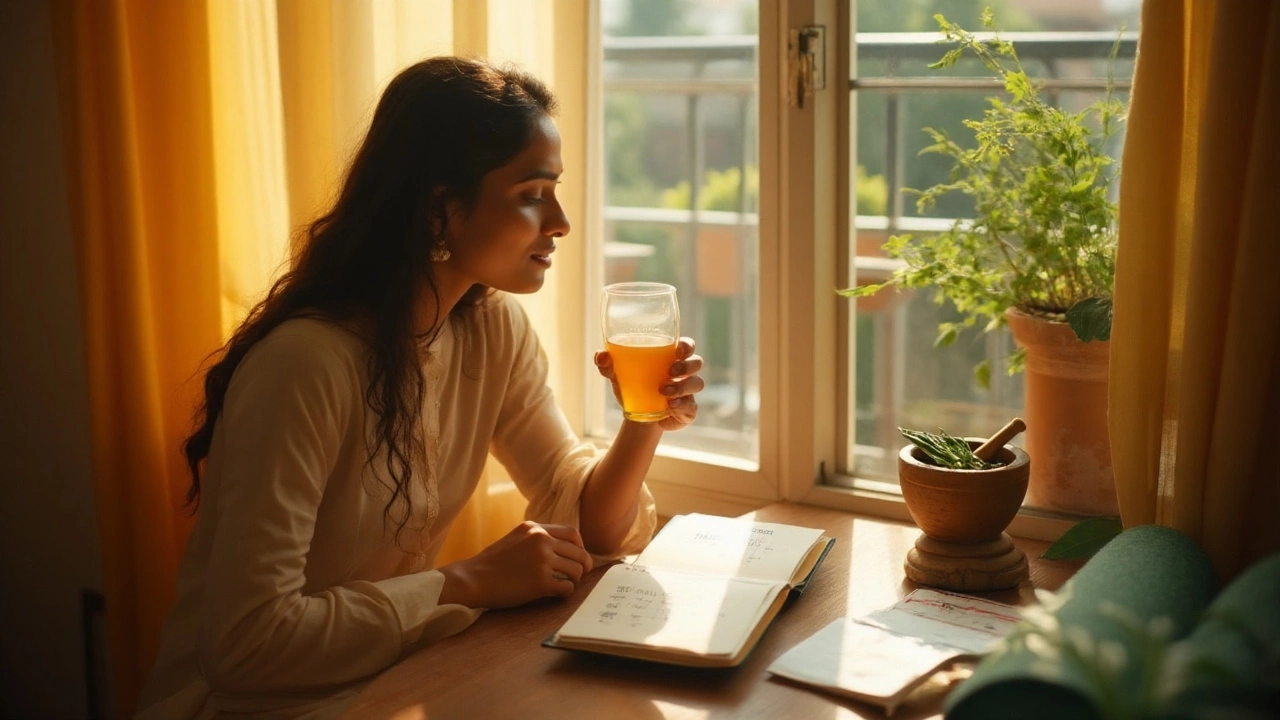
How Long Does Ayurveda Take to Work? Realistic Timelines by Condition (2025 Guide)
Wondering when Ayurveda starts working? Get realistic timelines by condition, what speeds results, and when to expect changes-from week 1 to month 6.

Recent Posts

Which Country Has the Unhealthiest Diet? 2025 Rankings
October 11, 2025
What Happens in the Last 6 Months of Cancer?
April 9, 2025
Understanding the Controversy: Is Metformin Really Bad for You?
December 25, 2024
What Is the Hardest Thing About IVF? Real Challenges No One Talks About
November 16, 2025