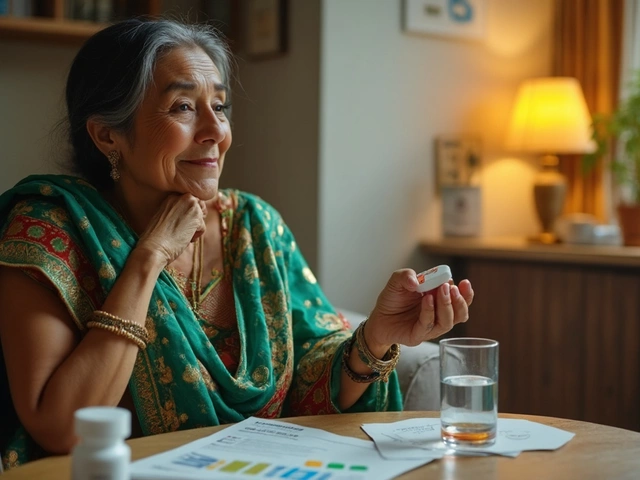
Illness Rates in India: What’s Rising, What’s Falling, and Why It Matters
When we talk about illness rates, the frequency and spread of diseases across a population. Also known as disease prevalence, it’s not just about how many people get sick—it’s about why, where, and how fast. In India, illness rates aren’t moving in one direction. Some conditions are dropping thanks to better sanitation and vaccines. Others are climbing—fast—because of diet, stress, aging, and access gaps.
Take cancer, a group of diseases where cells grow uncontrollably and spread through the body. Also known as malignant tumors, it’s now one of the top causes of death in urban India. More people are being diagnosed at later stages because screening isn’t routine. The quiet signs—like loss of appetite, unusual fatigue, or cold limbs—are often ignored until it’s too late. That’s why posts on end-stage cancer symptoms matter: they help families recognize what’s normal in the final stages, not panic over it.
Type 2 diabetes, a condition where the body resists insulin and can’t regulate blood sugar. Also known as insulin resistance, it’s no longer just a disease of older adults. It’s hitting younger people hard—because of processed food, sitting all day, and poor sleep. And here’s the twist: metformin isn’t the only answer anymore. New drugs like GLP-1 agonists and SGLT2 inhibitors are now first-line choices because they protect the heart and kidneys, not just lower sugar. That’s why new diabetes medications in 2025 are changing how doctors treat this disease.
Then there’s mental health therapy, structured conversations with a trained professional to improve emotional well-being. Also known as psychotherapy, it’s still seen as a luxury in many parts of India. But illness rates for anxiety, depression, and burnout are rising fast—especially after the pandemic. Real people are sharing how therapy helps, but also how hard it is to find a good therapist, afford it, or even admit they need it. That’s why posts on whether therapy really works cut through the noise with real data, not just hope.
And let’s not forget weight loss medications, prescription drugs that help reduce body weight by affecting appetite or metabolism. Also known as obesity treatments, they’re becoming more common in India—not because people are lazy, but because diet and exercise alone aren’t enough for many. Ozempic and semaglutide aren’t magic pills. They work best with lifestyle changes. But for someone struggling with 50 extra pounds, they’re a lifeline. That’s why people are asking how to get them safely, legally, and affordably.
Illness rates tell a story. They show where our healthcare system is strong and where it’s failing. They reveal who’s being left behind and who’s getting ahead. What you’ll find in the posts below isn’t just data—it’s real stories from people living with these conditions, practical advice from doctors, and clear explanations of what’s changing in Indian medicine right now. No fluff. Just what you need to understand what’s happening to your body, your family, and your community.
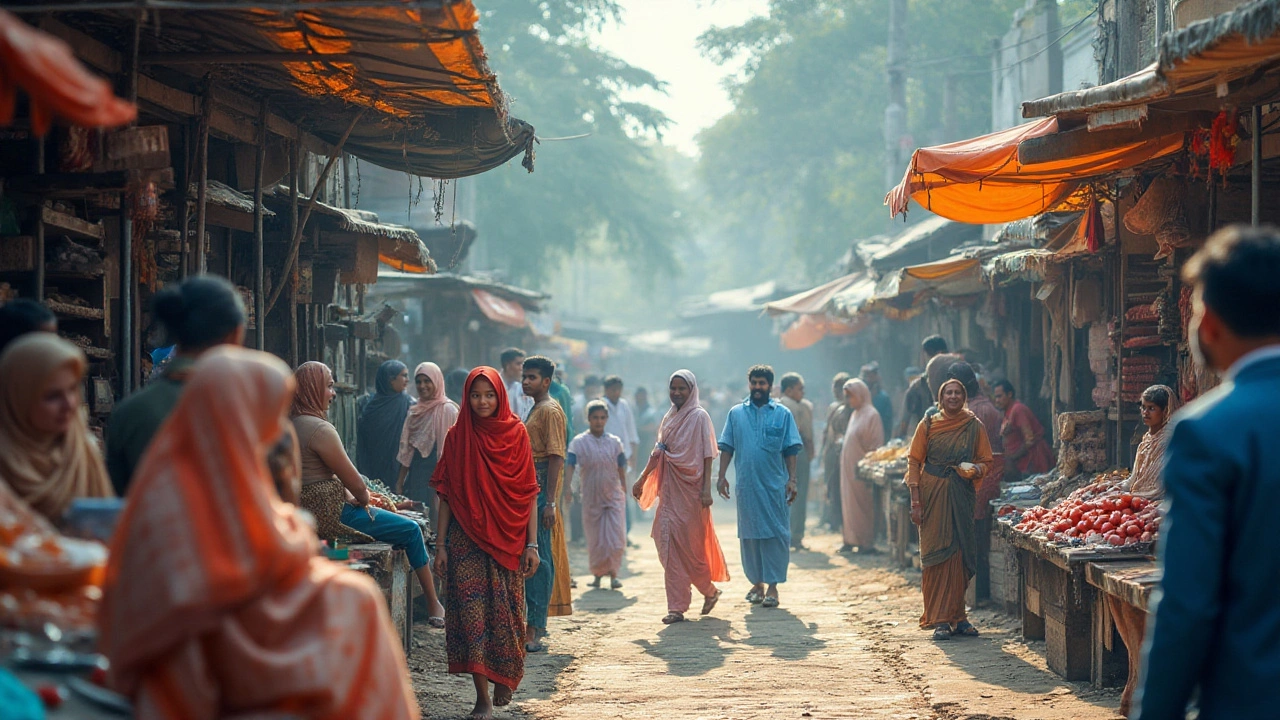
The Most Ailment-Prone Countries and the Rise of Medical Tourism
Medical tourism has become a popular choice for individuals seeking quality healthcare solutions at affordable prices. While many countries invest in attracting patients from abroad, others struggle with high illness rates among their populations. Understanding which countries face the most health challenges and why can offer insights into global health trends and healthcare options. This discussion explores the factors contributing to high illness rates and highlights how some countries are becoming sought-after medical destinations.

Recent Posts

Why Is Mental Health Therapy So Expensive: Breaking Down the Costs
January 16, 2025