Fracture Repair: What Works, What Doesn't, and How India Is Doing It
When a bone breaks, the body starts healing right away—but fracture repair, the medical process of restoring a broken bone to its normal structure and function. Also known as bone healing, it’s not just about casting or surgery. It’s about timing, nutrition, movement, and knowing when to push and when to rest. In India, where access to care varies wildly between cities and villages, fracture repair has become a mix of old wisdom and new science. You might get a cast in a rural clinic, or a titanium plate in a Mumbai hospital—but the goal is the same: get you back on your feet without long-term pain or weakness.
Orthopedic treatment, the branch of medicine focused on bones, joints, and muscles. Also known as bone and joint care, it’s the backbone of fracture repair. What’s changed? Ten years ago, most fractures were treated with plaster. Today, many are fixed with screws, rods, or plates—especially in urban centers. But even the best surgery fails if the bone doesn’t get the right nutrients. Calcium and vitamin D matter, but so does protein, zinc, and avoiding sugar. And movement? It’s not optional. Early, gentle motion prevents stiffness and speeds healing. Too much rest? That’s what leads to muscle loss and joint pain months later.
Fracture recovery, the full process of returning to normal function after a bone break. Also known as bone rehabilitation, it’s often ignored until it’s too late. In India, many patients stop physiotherapy after the cast comes off—because it’s expensive, hard to access, or they think they’re fine. But recovery isn’t done when the pain fades. It’s done when you can walk without limping, climb stairs without fear, or lift your child without wincing. That takes weeks, sometimes months. And it’s not just about the bone—it’s about the muscles, tendons, and nerves that got forgotten during healing.
Some fractures heal on their own. Others need surgery. Some patients bounce back in six weeks. Others take six months. What’s the difference? It’s not luck. It’s knowing the right treatment for your type of break, your age, your health, and your lifestyle. A wrist fracture in a 70-year-old with osteoporosis? That’s a different game than a tibia break in a 25-year-old athlete. And in India, where diabetes and vitamin D deficiency are common, healing is often slower—unless you adjust your approach.
Below, you’ll find real stories and clear guides from doctors and patients who’ve been through it. Whether you’re dealing with a broken arm after a fall, a hip fracture after an accident, or just wondering how to help a family member heal faster, you’ll find what actually works—not the hype, not the ads, but the facts from Indian clinics and homes.
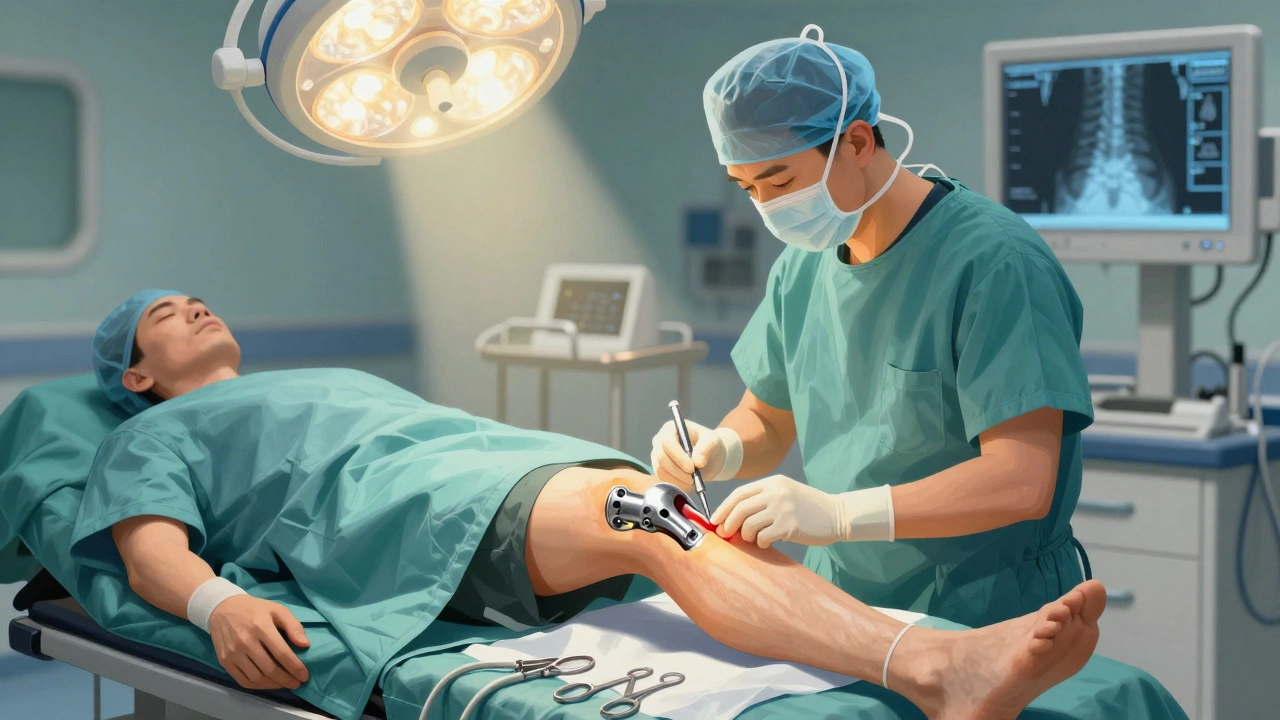
What Is Bone Surgery Called? Common Terms and Procedures Explained
Bone surgery is officially called orthopedic surgery. This field includes procedures like joint replacements, fracture repairs, and bone grafting. Learn the common types, recovery times, and when surgery is truly needed.

Recent Posts

Is Ozempic Effective for Weight Loss?
April 16, 2025

Is Too Much Therapy Harmful? Risks of Over‑doing Counseling
September 30, 2025