Cancer Support: Real Help for Patients and Families in India
When someone is living with advanced cancer, cancer support, the holistic care that focuses on comfort, dignity, and emotional well-being during advanced illness. It’s not about curing anymore—it’s about making every day as peaceful and meaningful as possible. In India, where many families still face stigma or lack access to specialized care, cancer support often means learning how to recognize the quiet signs your body is shutting down—not as a failure, but as a natural process. These aren’t emergencies to panic over; they’re signals that the body is doing what it needs to do.
palliative care, a medical approach focused on relieving suffering and improving quality of life for people with serious illnesses is still underused here, even though it’s proven to reduce pain, anxiety, and hospital visits. Many families don’t know that asking for help with symptoms like loss of appetite, extreme fatigue, or cold limbs isn’t giving up—it’s choosing comfort over unnecessary stress. And cancer emotional support, the psychological and social resources that help patients and caregivers cope with fear, grief, and isolation is just as vital as medicine. A quiet conversation, a hand to hold, or someone who listens without trying to fix it can mean more than any drug.
What you’ll find in these posts isn’t theory. It’s what real people in India are experiencing: the shift from fighting to resting, the confusion around what to eat when nothing tastes good, the guilt of wanting peace, and the quiet strength it takes to let go. These stories don’t sugarcoat. They show you what’s normal, what’s not, and how to ask for help without shame. Whether you’re a patient, a caregiver, or just trying to understand, this collection gives you the clear, no-fluff facts you need to make better choices—when the system doesn’t always have answers.

Cancer Patients: What They Really Need Most During Treatment
Cancer patients need more than just medicine. This article gets straight to the point about what really matters, from honest conversations with doctors to the little things that make tough days easier. You'll find out what helps with side effects, why emotional support is a game changer, and which practical tricks actually help in daily life. It's a down-to-earth guide, full of real advice for anyone facing cancer or caring for someone who is. The goal? Making every day a little easier.

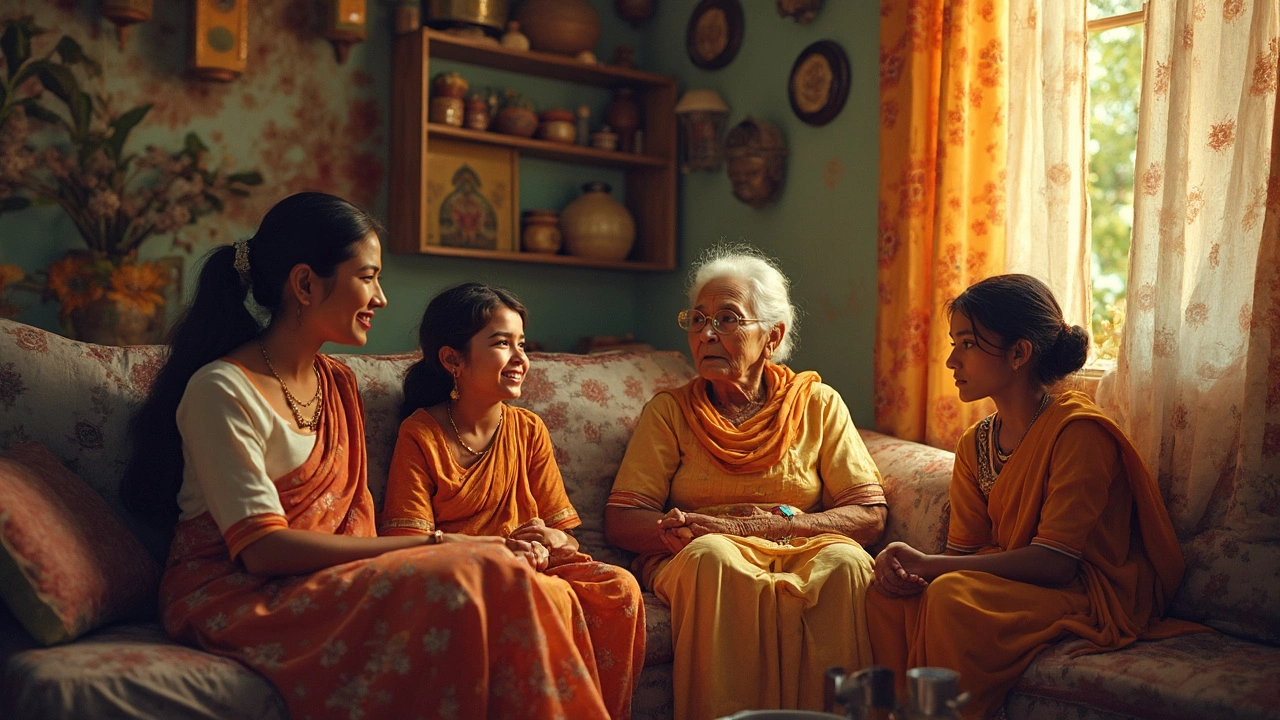
What Happens in the Last 6 Months of Cancer?
Navigating the last six months of a cancer journey is challenging, both for patients and loved ones. This period focuses on symptom management and quality of life, often involving palliative care to relieve pain and discomfort. Understanding the emotional and physical changes can help in making informed decisions. Support networks play a critical role, providing practical and emotional help. Preparing for this time can empower both the patient and their family to face these challenges with compassion.
Recent Posts

Cheapest IVF in the US: Best States & Cost Breakdown (2026)
February 6, 2026

Can an Orthopedic Doctor Fix a Pinched Nerve?
March 11, 2025