Mental Wellness & Recovery Readiness Tool
This tool evaluates your current lifestyle and coping mechanisms to determine your readiness for mental health recovery. Answer honestly for the best results.
Your Result
-- / 15
Complete the form
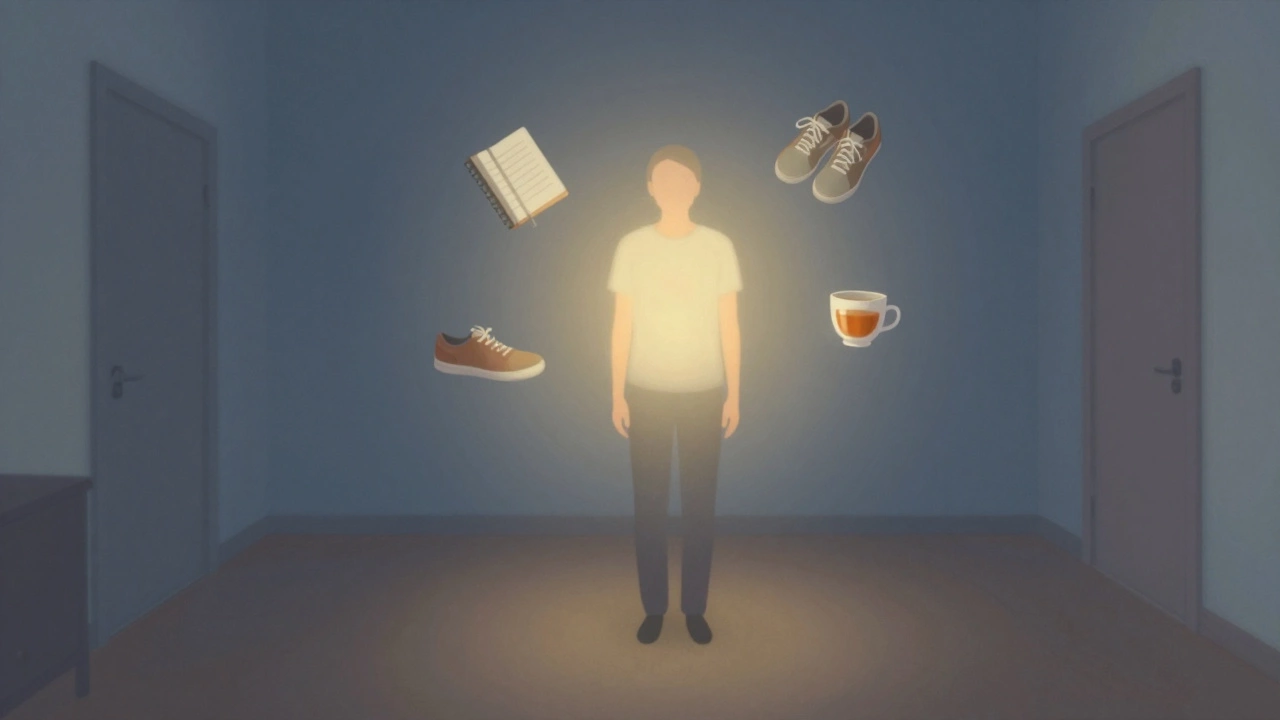
Feeling stuck in a loop of anxiety, sadness, or anger can feel like you are trapped in a room with no doors. You might ask yourself, "Is this just how life is now?" The short answer is no. Psychological problems are not permanent character flaws; they are signals that your mind needs attention, much like a fever signals your body is fighting an infection. Solving them isn't about finding a magic pill. It is about building a toolkit of habits, therapies, and support systems that help you regain control.
In India, the conversation around mental health has shifted dramatically in recent years. We are moving away from silence and stigma toward action and understanding. Whether you are dealing with mild stress or clinical depression, the path to solving these issues involves a mix of professional guidance and daily self-management. Here is how you can start addressing psychological challenges effectively.
What is the first step to solving a psychological problem?
The first step is acknowledgment. You must admit that something feels wrong and that it is affecting your daily life. Denial keeps the problem hidden, but naming it brings it into the light where it can be addressed. Once acknowledged, seek professional evaluation to understand if it is situational stress or a clinical condition.
Understanding the Root Cause
You cannot fix what you do not understand. Psychological problems often stem from a combination of biological, psychological, and social factors. This is known as the biopsychosocial model. For instance, someone might experience burnout (psychological) due to high work pressure (social) while also suffering from chronic sleep deprivation (biological). Ignoring any one of these pillars makes recovery harder.
Biology plays a significant role. Neurotransmitters like serotonin and dopamine regulate mood. If there is an imbalance, willpower alone won’t fix it. This is why medication is sometimes necessary alongside therapy. On the other hand, social factors like isolation or toxic relationships can trigger anxiety even in people with stable biology. Identifying which factor is dominant helps you choose the right treatment path.
Ask yourself: Did this start after a specific event, like a job loss or breakup? Or has it been a slow build-up over years? Trauma-based issues require different handling than chemical imbalances. Recognizing the source reduces self-blame. It shifts the narrative from "I am broken" to "I am dealing with a specific challenge that has a solution."
The Role of Professional Therapy
Therapy is not just talking about your feelings; it is structured problem-solving. Different types of therapy work for different issues. Choosing the right modality is crucial for progress.
Cognitive Behavioral Therapy (CBT) is a widely used form of psychotherapy that focuses on identifying and changing negative thought patterns and behaviors. It is highly effective for anxiety and depression. In CBT, you learn to catch automatic negative thoughts-like "I always fail"-and challenge them with evidence. It is practical, time-limited, and skill-based.
Another approach is Dialectical Behavior Therapy (DBT), which teaches skills for mindfulness, distress tolerance, emotion regulation, and interpersonal effectiveness. DBT is particularly useful for those who struggle with intense emotions or borderline personality traits. It helps you stay present during emotional storms without acting impulsively.
If past trauma is blocking your progress, Eye Movement Desensitization and Reprocessing (EMDR) may be recommended. EMDR is a specialized therapy that uses guided eye movements to help the brain process traumatic memories. It doesn’t require you to talk extensively about the trauma, making it accessible for those who find verbal processing difficult.
Finding a therapist you trust is half the battle. In Bangalore and across India, tele-therapy has made access easier. Look for licensed clinical psychologists or psychiatrists. Don’t settle for the first person you meet; compatibility matters. If you don’t feel heard, switch therapists. It is a professional relationship, and fit is essential.
Building Daily Self-Care Habits
Professional help provides the map, but you have to walk the path. Daily habits reinforce the gains made in therapy. These are not luxury activities; they are maintenance tasks for your mental operating system.
- Sleep Hygiene: Sleep is when your brain processes emotions. Chronic lack of sleep increases cortisol (stress hormone) levels. Aim for 7-9 hours. Keep your room dark and cool. Avoid screens one hour before bed.
- Movement: Exercise releases endorphins and BDNF (Brain-Derived Neurotrophic Factor), which supports neuron growth. You don’t need to run a marathon. A 20-minute brisk walk daily can significantly reduce anxiety symptoms.
- Nutrition: The gut-brain axis is real. What you eat affects your mood. Reduce sugar and processed foods, which cause energy crashes and inflammation. Include omega-3 fatty acids (found in fish, walnuts) and probiotics (yogurt, fermented foods).
- Mindfulness: Practicing mindfulness trains your brain to observe thoughts without judgment. Even five minutes of deep breathing or meditation daily can lower heart rate and calm the nervous system.
Consistency beats intensity. Doing small things every day is more effective than doing grand gestures once a month. Track your habits. Seeing a streak of good days builds confidence and reinforces positive behavior.

Social Support and Boundaries
Humans are social creatures. Isolation feeds psychological problems. However, not all social interactions are healthy. Toxic relationships can drain your energy and reinforce negative beliefs. Learning to set boundaries is a critical skill.
Identify your support circle. Who lifts you up? Who drains you? Spend more time with the former and limit contact with the latter. This doesn’t mean cutting everyone off; it means being intentional about your energy. Say "no" to commitments that overwhelm you. Protect your peace.
Joining support groups can also be powerful. Sharing experiences with others who face similar challenges reduces shame and loneliness. Whether it’s a local group in Bangalore or an online community, hearing "me too" can be incredibly validating.
When Medication is Necessary
There is still stigma around psychiatric medication, especially in conservative circles. Many believe it makes you "weak" or "dependent." This is a myth. Medication corrects chemical imbalances that therapy alone cannot fix. Think of it like insulin for diabetes-it manages the condition so you can function and engage in therapy effectively.
Antidepressants, anti-anxiety medications, and mood stabilizers are prescribed by psychiatrists. They take time to work-usually 4-6 weeks. Side effects can occur, but they are often manageable. Never stop medication abruptly. Always consult your doctor. Combining medication with therapy yields the best outcomes for moderate to severe conditions.
| Approach | Best For | Timeframe | Key Benefit |
|---|---|---|---|
| CBT | Anxiety, Depression | 8-12 weeks | Practical skill-building |
| Medication | Severe Depression, Bipolar | 4-6 weeks onset | Rapid symptom relief |
| Lifestyle Changes | Mild Stress, Prevention | Ongoing | Long-term resilience |
| Support Groups | Isolation, Grief | Variable | Community validation |

Avoiding Common Pitfalls
Recovery is rarely linear. You will have good days and bad days. Expecting perfection sets you up for failure. Here are common mistakes to avoid:
- Self-Diagnosis: Online quizzes are not diagnostic tools. Only a professional can diagnose you. Misdiagnosis leads to wrong treatments.
- Quitting Too Soon: Therapy takes effort. Progress might feel slow. Stick with it. Early dropout is a major reason for treatment failure.
- Ignoring Physical Health: Neglecting sleep, diet, or exercise undermines mental health efforts. Treat your body as part of the solution.
- Comparing Yourself: Social media shows highlights, not realities. Comparing your behind-the-scenes to someone else’s highlight reel breeds inadequacy.
Be patient with yourself. Healing is a journey, not a destination. Celebrate small wins. Did you get out of bed today? That’s a win. Did you call a friend? Another win. Accumulate these moments.
Next Steps for Immediate Action
If you are ready to start solving your psychological problems, here is a simple checklist:
- Book an appointment with a psychiatrist or clinical psychologist.
- Start a sleep routine tonight.
- Identify one supportive person to talk to.
- Reduce caffeine and sugar intake for one week.
- Practice five minutes of deep breathing daily.
Remember, seeking help is a sign of strength, not weakness. You deserve to feel better. With the right tools and support, psychological problems can be managed and overcome. Start today.
How long does it take to solve psychological problems?
There is no fixed timeline. Mild issues might improve in weeks with lifestyle changes. Moderate to severe conditions often require months of therapy and/or medication. Consistency is key. Progress is measured in small steps, not overnight fixes.
Can I solve psychological problems without therapy?
For mild stress or situational sadness, yes. Self-care, exercise, and social support can be enough. However, for clinical depression, anxiety disorders, or trauma, professional therapy is usually necessary. Trying to handle severe issues alone can lead to worsening symptoms.
Is medication addictive?
Most antidepressants and mood stabilizers are not addictive. They do not produce a "high." Some anti-anxiety medications (benzodiazepines) can be habit-forming if misused. Always follow your doctor's prescription and never share medication.
How do I find a good therapist in India?
Look for registered clinical psychologists (RCP) or psychiatrists. Check credentials on platforms like the Indian Association of Clinical Psychologists. Read reviews, ask for referrals, and try initial consultations to assess comfort level. Tele-therapy options are widely available and affordable.
What should I do if I feel suicidal?
Seek immediate help. Contact a crisis helpline like Vandrevala Foundation (1860-266-2345) or iCall (9152987821). Go to the nearest hospital emergency room. Tell a trusted friend or family member. You are not alone, and help is available 24/7.