Knee Replacement Recovery Timeline
Click on a phase to see detailed goals, mobility aids, and pain levels.
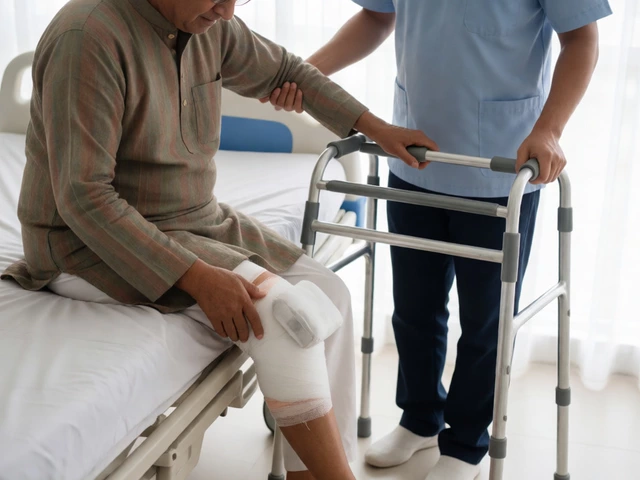
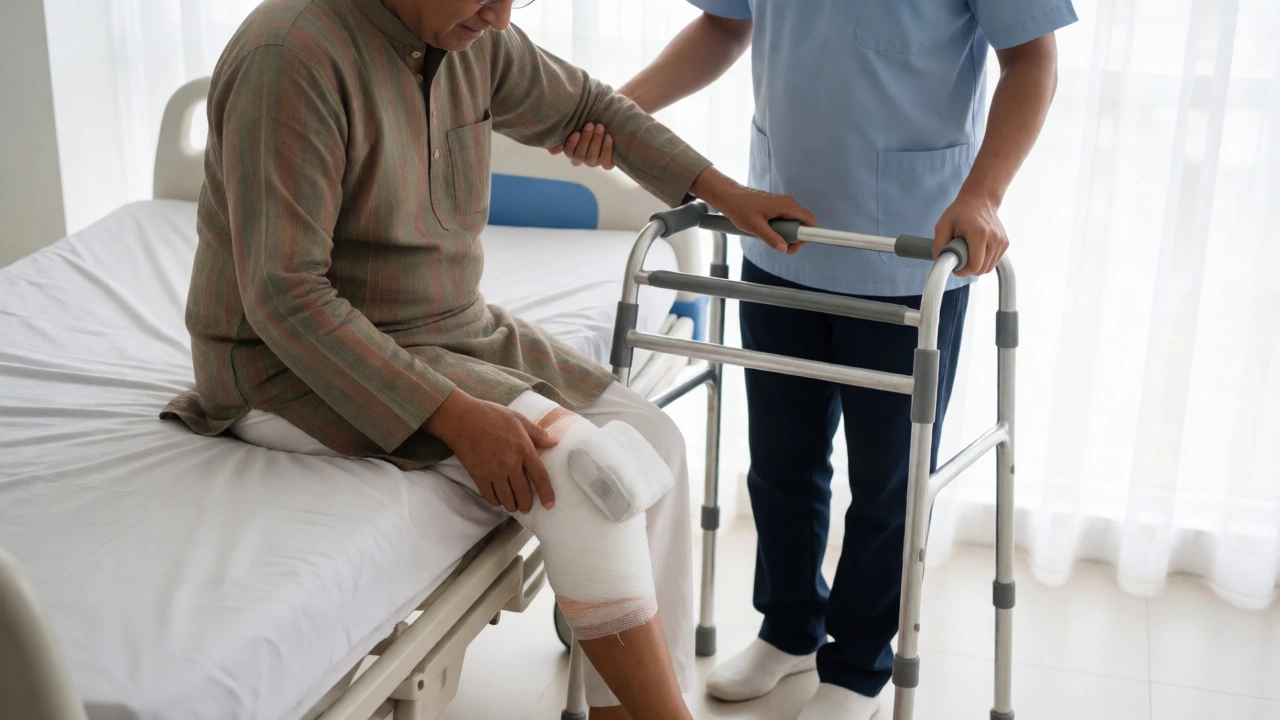
Weeks 1-2: Pain Management & Wound Care
Key Focus
- Manage acute pain and prevent blood clots.
- Prevent stiffness with hourly ankle pumps/quad sets.
- Ice frequently and elevate above heart level.
Mobility & Pain
| Aid: | Walker |
| Pain Level: | 5-7 / 10 |
| Milestone: | Stand and take few steps |
So, you or a loved one is facing total knee replacement. The surgery itself is often the least scary part. It’s the weeks and months afterward that really test your patience. You’re probably wondering how long it will take before you can walk without a limp, climb stairs, or get back to gardening. The honest answer? There is no single number. Recovery isn't a straight line; it's a curve that looks different for everyone.
Most people hear "six weeks" and think they’ll be done. That’s a myth. While six weeks is a milestone where you might ditch the walker, full recovery-meaning zero pain during daily activities and returning to high-impact hobbies-can take up to a year. This article breaks down exactly what happens in your body and your routine from day one to month twelve, so you aren’t blindsided by setbacks.
The First Two Weeks: Pain Management and Wound Care
The first 14 days are all about survival and stabilization. Right after surgery, you’ll likely stay in the hospital for 1 to 3 days. Modern protocols push for early discharge, sometimes even same-day if you have strong home support. Your main job here is simple but hard: manage pain and prevent blood clots.
You will feel stiff. Very stiff. This is normal. Your muscles have been cut and stretched, and swelling is your body’s natural response to trauma. You’ll spend most of this time icing the knee and elevating it above heart level. Don’t let the pain scare you into doing nothing. Movement is medicine. Even if it hurts, you need to perform basic exercises like ankle pumps and quad sets every hour while awake. These tiny movements keep blood flowing and stop scar tissue from gluing your joint shut.
- Day 1-3: Focus on standing up with help. Use a walker. Ice frequently.
- Day 4-7: Transition to crutches or a cane if balance allows. Start gentle range-of-motion exercises.
- Day 8-14: Stitches or staples come out. Swelling should start to decrease slightly.
Weeks 3 to 6: Building Strength and Independence
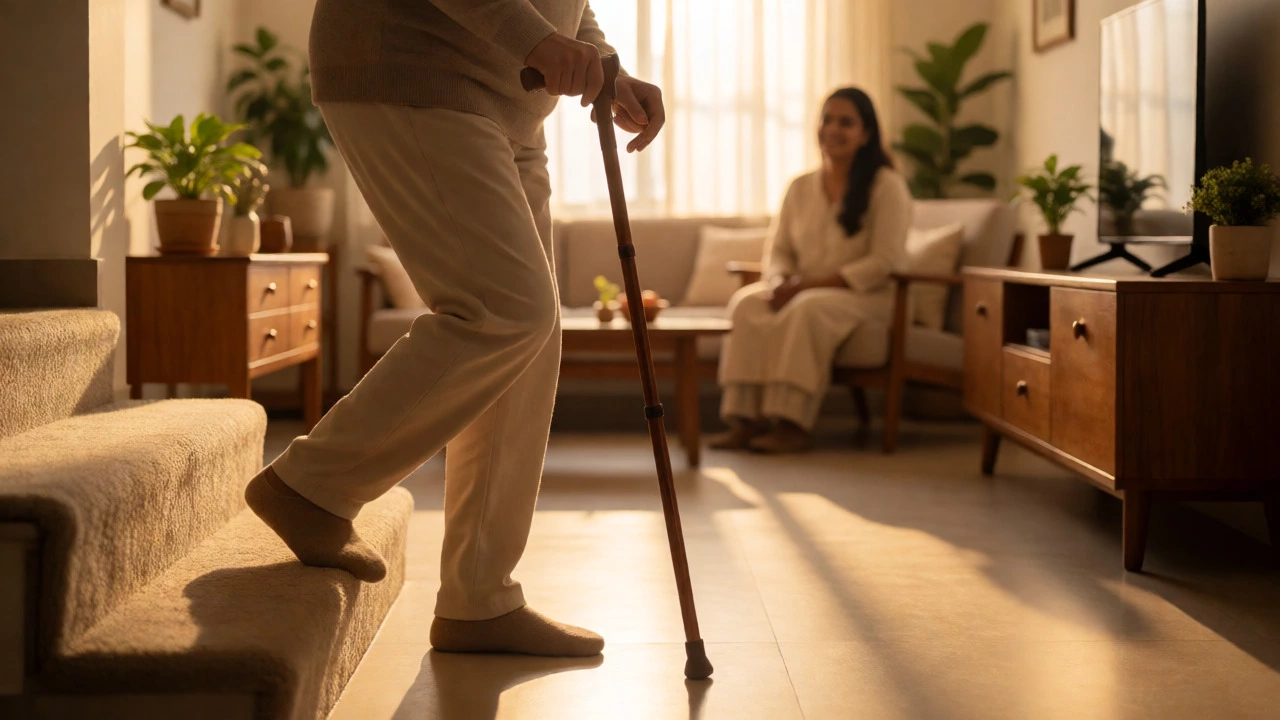
This is the "grind" phase. The acute surgical pain fades, replaced by soreness from exertion. You are now expected to do more. Most patients switch from a walker to a cane around week three or four. By week six, many can walk short distances without any aid.
Physical therapy becomes non-negotiable. You’ll work on bending the knee to at least 90 degrees (enough to sit in a chair) and extending it fully straight. If you skip these sessions because you’re tired, you risk permanent stiffness. Think of it like brushing your teeth-it’s annoying, but skipping it leads to bigger problems later.
| Timeframe | Mobility Aid | Key Goal | Pain Level (1-10) |
|---|---|---|---|
| Week 1 | Walker | Stand and take few steps | 5-7 |
| Week 3 | Cane/Walker | Walk indoors independently | 3-5 |
| Week 6 | No Aid/Cane | Climb stairs safely | 2-3 |
| Month 3 | None | Drive car (right leg) | 1-2 |
| Month 6 | None | Return to low-impact sports | 0-1 |
Months 3 to 6: Returning to Normal Life
By the three-month mark, the fog lifts. You can drive again (if your right knee was operated on, wait until you can brake sharply without hesitation). You’re sleeping through the night without waking up in pain. Daily tasks like shopping, cooking, and walking the dog become second nature.
This is when you decide what kind of active life you want. Can you still play golf? Yes. Tennis? Maybe, depending on your skill level and caution. Running? Generally, surgeons advise against high-impact running as it wears out the plastic spacer faster, but brisk walking is excellent. If you were an avid runner, talk to your orthopedic surgeon about switching to cycling or swimming to protect the implant.
Swelling may flare up after heavy activity. Don’t panic. A hot shower followed by ice usually settles it. If your knee feels warm and red after a long day, you pushed too hard. Scale back for two days, then resume.
Why Some People Recover Faster Than Others
It’s frustrating to see someone else jogging at week eight while you’re still using a cane. Why the difference? Several factors play a role:
- Pre-surgery fitness: Patients who strengthened their quadriceps before surgery recover significantly faster. Strong muscles support the new joint immediately.
- Weight: Every extra pound puts four pounds of pressure on your knee. Losing weight before surgery speeds up mobility gains.
- Mental resilience: Fear of movement causes stiffness. Patients who trust their rehab team and push through discomfort tend to regain range of motion quicker.
- Age and health: Younger patients heal faster, but older adults with good heart and lung health also do well. Diabetes, if uncontrolled, slows wound healing and increases infection risk.

Common Pitfalls That Slow Down Recovery
Avoid these mistakes to save yourself months of frustration:
- Sitting too much: Gravity pulls fluid down, causing swelling. Keep moving every 30 minutes.
- Ignoring extension: Bending is important, but getting the leg perfectly straight is crucial for a normal gait. Practice heel props daily.
- Overdoing it early: Trying to walk 5 miles in week two leads to inflammation that sets you back. Progress gradually.
- Neglecting nutrition: Protein helps repair tissue. Vitamin D supports bone health. Eat like you’re building muscle, not just eating dinner.
When Is Full Recovery Actually Complete?
Technically, bone ingrowth and soft tissue maturation take up to 12 months. At six months, you feel great. At twelve months, you forget which knee was operated on. Some minor sensations, like clicking or occasional warmth, may persist forever. This is normal and doesn’t mean something is wrong. As long as there is no sharp pain or instability, you’ve succeeded.
If you hit a plateau at month four, don’t give up. Change your PT routine. Add pool therapy if land-based exercises hurt too much. Consistency beats intensity every time.
How long does it take to walk normally after a full knee replacement?
Most patients achieve a near-normal walking pattern between 6 to 12 weeks. However, a completely smooth, pain-free gait without any limp often takes 3 to 6 months as muscle strength fully returns.
Can I sleep on my side after knee replacement?
Yes, but you must place a pillow between your knees to prevent them from knocking together. Initially, lying flat on your back is recommended to prevent hip flexion contractures, but side sleeping is safe once you are comfortable.
How long after surgery can I fly?
Surgeons generally recommend waiting at least 6 weeks before flying due to the increased risk of deep vein thrombosis (blood clots). If you must travel sooner, wear compression stockings and walk the aisle hourly.
Is swelling normal 6 months after surgery?
Yes, intermittent swelling is common for up to a year. It usually appears after prolonged standing or exercise. Elevating the leg and applying ice resolves it quickly. Persistent, constant swelling should be checked by your doctor.
Do I need physical therapy after knee replacement?
While some motivated patients can self-manage with home exercises, professional physical therapy is highly recommended for the first 6-8 weeks. Therapists ensure you are performing exercises correctly and monitor for complications like stiffness.