Online Pharmacy Safety Checker
Check Pharmacy Legitimacy
Use this tool to evaluate if an online pharmacy meets safety standards. Based on guidelines from health authorities and best practices for medication safety.
Buying medicine online sounds simple-click, pay, wait, get your pills delivered. But too many people end up with fake drugs, empty boxes, or worse: poison disguised as medication. In 2025, the World Health Organization estimated that nearly 1 in 10 medicines sold online are counterfeit. And in countries like India, where online pharmacy use has jumped over 300% since 2020, knowing how to spot a legitimate online pharmacy isn’t just smart-it’s life-saving.
What Makes an Online Pharmacy Legitimate?
A legitimate online pharmacy doesn’t just look professional. It follows strict rules that protect your health. First, it requires a valid prescription for prescription drugs. If a website lets you buy antibiotics, blood pressure pills, or insulin without a doctor’s note, walk away. No exceptions.
Second, it must be licensed. In India, legitimate pharmacies are registered with the Central Drugs Standard Control Organization (CDSCO). In the U.S., they’re verified by the National Association of Boards of Pharmacy (NABP). In the EU, they carry the official EU common logo. These aren’t just logos-they’re legal requirements.
Third, it has a physical address and a working phone number you can call. Legit pharmacies don’t hide behind PO boxes or vague addresses like "Suite 304, Global Business Center." They list their actual clinic or warehouse location. Check Google Maps. See if the address matches real buildings. If it doesn’t, it’s not real.
Fourth, it employs licensed pharmacists. You should be able to speak to a real pharmacist-not a chatbot-about your medication. Ask questions about side effects, interactions, or storage. If they can’t answer, or if their response sounds copied from a website, that’s a red flag.
How to Verify an Online Pharmacy
Here’s how to check if a pharmacy is safe before you click "Buy Now":
- Look for the Verified Internet Pharmacy Practice Sites (VIPPS) seal in the U.S. or the EU common logo for European sites. Click it. It should link to the official regulator’s website, not a fake page.
- Search the pharmacy’s name + "complaint" or "scam" on Google. If dozens of people report not receiving orders or getting fake pills, it’s not safe.
- Check if the website uses HTTPS (the padlock icon in the browser). While not foolproof, no legitimate pharmacy operates without secure encryption.
- See if they list the manufacturer names for each drug. Legit pharmacies sell branded or generic drugs from known companies like Pfizer, Cipla, or Sun Pharma. If the label says "Generic Pain Relief" with no company name, avoid it.
- Compare prices. If a 30-day supply of Lipitor costs $5 online but normally costs $120 in a local pharmacy, it’s either fake or stolen. Legit pharmacies don’t offer 90% discounts on brand-name drugs.
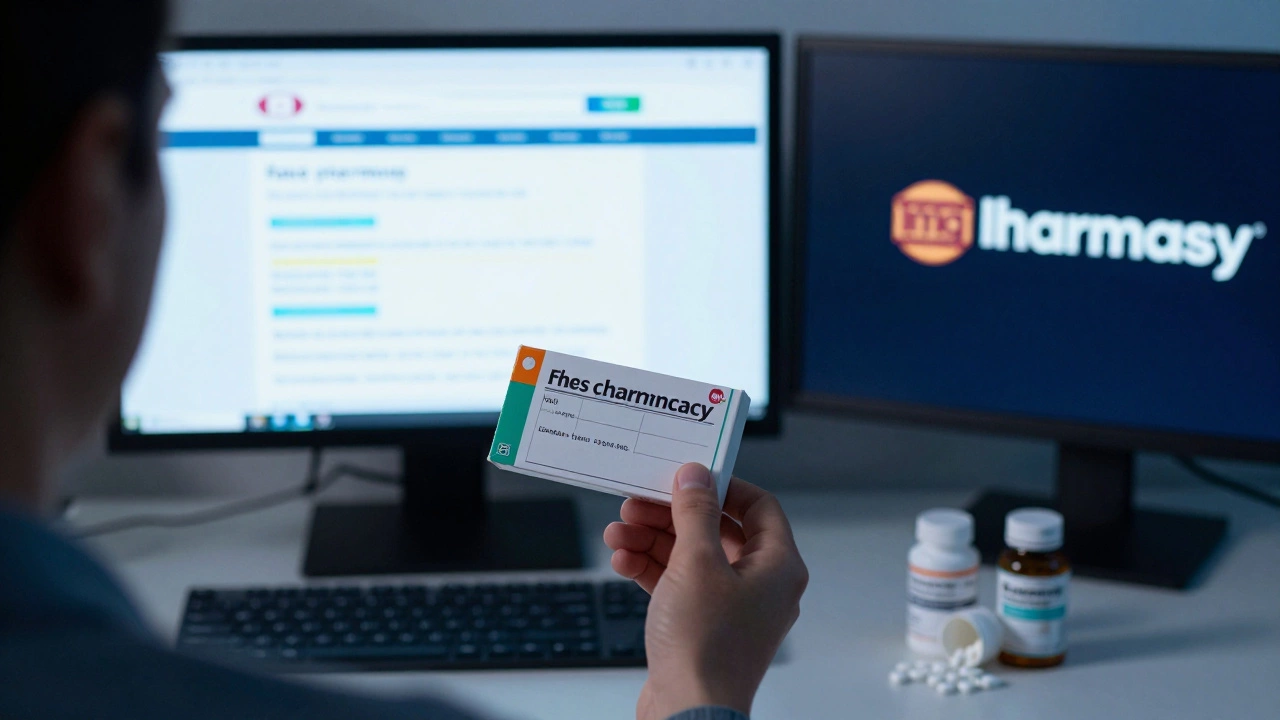
One real example: In 2024, Indian health authorities shut down over 120 fake online pharmacies selling counterfeit diabetes medication. Patients reported dizziness, low blood sugar crashes, and hospitalizations-all because they bought from a site that looked professional but had no license.
Red Flags That Mean Run, Don’t Walk
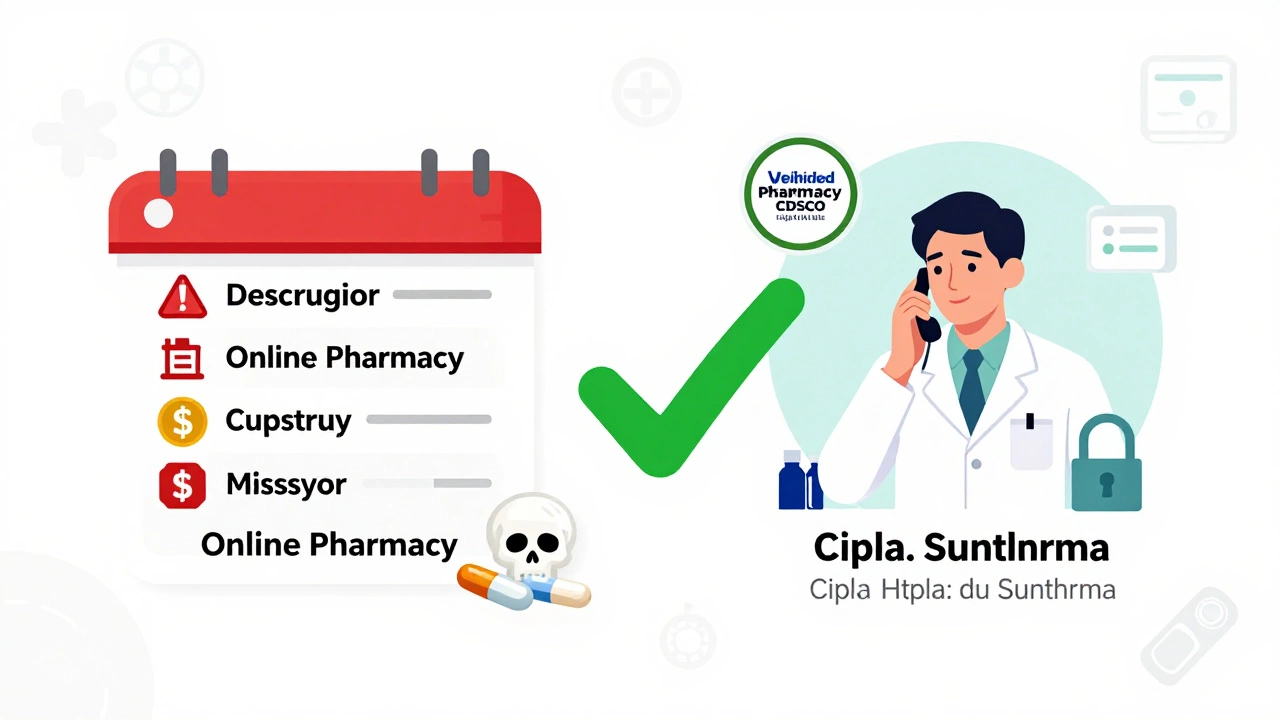
These signs mean the site is dangerous:
- "No prescription needed"-especially for controlled drugs like opioids, sedatives, or antibiotics.
- "Miracle cures" for cancer, HIV, or Alzheimer’s. No online pharmacy can legally promise this.
- Payment only via cryptocurrency, wire transfer, or gift cards. Legit pharmacies accept credit cards and have clear refund policies.
- Spelling errors, broken English, or unprofessional design. Many scam sites are run from overseas and poorly translated.
- No privacy policy or terms of service. If they don’t care about your data, they don’t care about your safety.
One user in Delhi ordered "generic Viagra" from a site offering 50% off. He received white tablets with no markings. When he took one, his blood pressure dropped dangerously. He ended up in the ER. The pills were laced with sildenafil and a banned industrial chemical. He survived-but many don’t.
Where to Buy Online Medicine Safely in India
In India, these are verified platforms that follow CDSCO and Pharmacy Council rules:
- 1mg-Listed on its site are all licensed pharmacists and drug licenses. Prescriptions are verified before shipping.
- PharmEasy-Partners with registered pharmacies across 100+ cities. All drugs are sourced from licensed distributors.
- Netmeds-Displays drug license numbers on product pages. Offers live pharmacist chat during business hours.
- Medlife-Requires upload of prescription for controlled drugs. Has a clear returns policy.
These platforms don’t sell unapproved drugs. They don’t offer "miracle weight loss pills" or "instant erectile dysfunction cures." They sell the same medicines you’d get at your local pharmacy-just delivered to your door.
What About International Pharmacies?
Some people buy from Canadian or U.S. pharmacies because they think prices are lower. But importing drugs into India without proper authorization is illegal under the Drugs and Cosmetics Act. Even if the drug is real, customs can seize it. You could lose your money and your medication.
Also, drugs approved in the U.S. or Canada aren’t always approved in India. Dosages, ingredients, or preservatives may differ. A pill safe in Toronto might be unsafe in Bengaluru due to local health regulations.
Stick to Indian-registered pharmacies. If you need a drug not available locally, talk to your doctor. They can help you get it legally through proper channels.
What to Do If You’ve Been Scammed
If you ordered from a fake pharmacy:
- Stop taking the medicine immediately.
- Save all packaging, receipts, and emails.
- Report it to the CDSCO via their online portal or call their helpline at 1800-11-6666.
- File a complaint with the National Consumer Helpline (1915).
- Visit your doctor for a check-up if you’ve taken any pills.
Many people feel embarrassed after being scammed. But fake pharmacies target thousands every month. Reporting them helps protect others.
Why Legitimate Online Pharmacies Matter
For elderly patients, people in rural areas, or those with mobility issues, online pharmacies can be a lifeline. But only if they’re safe. A legitimate pharmacy ensures:
- Your drugs are stored properly-no heat damage or expired pills.
- They’re dispensed by trained professionals who check for interactions.
- You get the exact drug your doctor prescribed, not a knockoff.
- You can return or replace faulty products without hassle.
It’s not about avoiding technology. It’s about using it wisely. The right online pharmacy saves time, reduces trips to crowded clinics, and brings care closer to home. But only if you know how to find it.
Final Checklist: Is This Pharmacy Safe?
Before you buy, ask yourself:
- Do they require a prescription for prescription drugs? → Yes
- Can I speak to a real pharmacist? → Yes
- Is there a physical address I can verify? → Yes
- Are drug manufacturers clearly listed? → Yes
- Do prices seem too good to be true? → No
- Is the website secure (HTTPS) and professional? → Yes
If you answered "No" to any of these, don’t buy. Find another pharmacy.
Can I trust online pharmacies that offer free shipping?
Free shipping alone doesn’t mean a pharmacy is safe. Many fake pharmacies use free shipping as a lure. Always check for licensing, prescription requirements, and verified contact details. Real pharmacies offer free shipping too-but they also follow the law.
Are generic drugs from online pharmacies safe?
Yes-if they’re from a legitimate source. Generic drugs are legally required to have the same active ingredients as brand-name drugs. But fake pharmacies sell counterfeit generics with wrong dosages or no active ingredient at all. Always check the manufacturer name and verify the pharmacy’s license.
Why do some online pharmacies sell drugs without a prescription?
They’re breaking the law. In India and most countries, selling prescription drugs without a valid prescription is illegal. These sites operate offshore or illegally within the country. They don’t care about your safety-they care about profit. Never buy from them.
Can I use an online pharmacy for chronic conditions like diabetes or hypertension?
Yes, but only with a verified pharmacy that requires your prescription and offers pharmacist support. Regular medication for chronic conditions needs consistent quality. A single bad batch can cause serious harm. Stick to trusted platforms like 1mg or PharmEasy that track your history and ensure proper storage.
What should I do if my medicine looks different from what I usually get?
Stop taking it. Compare the packaging, color, shape, and markings with your previous prescription. If anything looks off, contact your pharmacist or doctor immediately. Report the pharmacy to CDSCO. Fake pills are often designed to look real-but small differences-like a slightly different logo or font-can reveal the truth.
Online pharmacies can make life easier-but only if you know how to choose the right one. Don’t let convenience cost you your health. When in doubt, call your doctor or visit your local pharmacy. Your life is worth more than a quick click.