Women Over 55 Nutrition Calculator
Enter your current weight to receive personalized daily targets for protein, fiber, and water based on guidelines for women over 55.
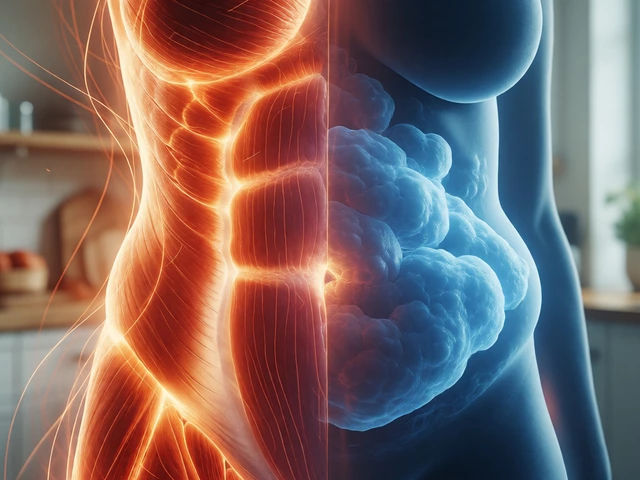
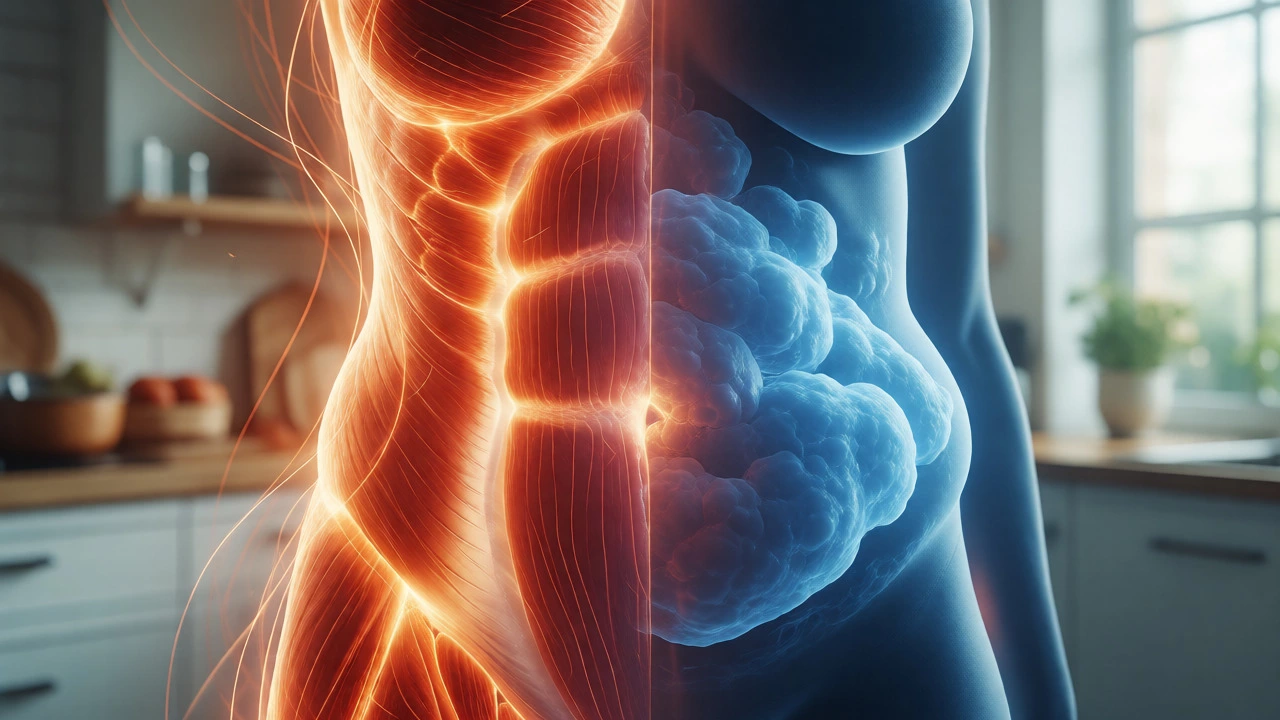
Did you know that after age 50, a woman's metabolism can slow down by up to 2% per decade? It’s not just in your head. If you’re 55 and feeling like the rules have changed-where eating less no longer guarantees losing weight-you are right. The game has shifted. Hormonal changes, particularly the drop in estrogen during menopause, encourage fat storage around the abdomen rather than the hips. This visceral fat is metabolically active and harder to shift with simple calorie counting alone.
But here is the good news: you don’t need a starvation diet or expensive supplements. You need a strategic approach focused on preserving muscle, balancing blood sugar, and feeding your gut microbiome. At this stage of life, food isn't just fuel; it's medicine. Let’s break down exactly what should be on your plate to lose weight effectively and safely after 55.
The Protein Priority
If there is one rule to follow, make it this: prioritize protein at every meal. Why? Because sarcopenia-the natural loss of muscle mass associated with aging-is a major culprit behind slowing metabolisms. Muscle tissue burns more calories at rest than fat tissue does. When you lose weight without adequate protein, you often lose muscle along with fat, which further slows your metabolism and makes future weight loss even harder.
Aim for 1.2 to 1.6 grams of protein per kilogram of body weight daily. For a 70 kg (154 lb) woman, that means roughly 84 to 112 grams of protein a day. That sounds like a lot, but it adds up quickly if you plan ahead. Start your day with eggs, Greek yogurt, or a plant-based protein shake. Lunch could include grilled chicken, fish, lentils, or tofu. Dinner might feature lean beef, tempeh, or a heavy serving of beans.
Don’t fear animal proteins if you eat them, but if you prefer plants, combine sources to ensure a complete amino acid profile. Pairing rice with beans or hummus with whole-grain pita creates a powerful muscle-preserving combo. Remember, spreading protein out evenly across meals is more effective for muscle synthesis than eating it all in one sitting.
Fiber Is Your Best Friend
As we age, digestive efficiency can decline, and insulin sensitivity often drops. Enter fiber. It’s the unsung hero of midlife weight management. Dietary fiber, found in vegetables, fruits, legumes, and whole grains, helps regulate blood sugar levels, preventing the spikes and crashes that lead to cravings. It also promotes satiety, helping you feel full longer on fewer calories.
Target at least 25-30 grams of fiber daily. Most women over 55 fall short here. How do you hit that target? Swap white rice for quinoa or brown rice. Add an apple or pear with skin to your afternoon snack. Load half your dinner plate with non-starchy vegetables like broccoli, spinach, kale, or cauliflower. These foods are low in energy density but high in volume, meaning you can eat a large portion without consuming excessive calories.
| Food Item | Fiber Content (per serving) | Best Use Case |
|---|---|---|
| Lentils (cooked) | 15g per cup | Soups, stews, side dishes |
| Chia Seeds | 10g per 2 tbsp | Oatmeal, smoothies, puddings |
| Avocado | 10g per medium fruit | Toast, salads, snacks |
| Broccoli | 5g per cup | Roasted, steamed, stir-fried |
| Blackberries | 8g per cup | Snacks, dessert alternatives |
Healthy Fats for Hormonal Balance
For decades, we were told to cut fat to lose weight. We now know that was misguided, especially for women over 55. Healthy fats are essential for hormone production, brain health, and absorbing fat-soluble vitamins like A, D, E, and K. Since estrogen levels are lower, maintaining healthy cell membranes becomes crucial for overall vitality.
Focus on monounsaturated and polyunsaturated fats. Olive oil, avocados, nuts, seeds, and fatty fish like salmon, mackerel, and sardines are excellent choices. Omega-3 fatty acids, specifically EPA and DHA found in fish, help reduce inflammation. Chronic low-grade inflammation is linked to both weight gain and conditions like heart disease and arthritis, which become more prevalent after menopause.
Be mindful of portions. Fat is calorie-dense (9 calories per gram versus 4 for protein and carbs). A thumb-sized portion of nuts or a tablespoon of olive oil is sufficient. Avoid trans fats and limit saturated fats from processed meats and fried foods, as these can exacerbate inflammation and negatively impact cholesterol levels.
Calcium and Vitamin D: The Bone-Building Duo
You cannot talk about health at 55 without addressing bone density. Osteoporosis risk increases significantly after menopause due to the protective effects of estrogen diminishing. While calcium is famous for bones, it doesn’t work alone. It needs Vitamin D to be absorbed properly.
Many women over 55 are deficient in Vitamin D because our skin becomes less efficient at producing it from sunlight as we age. Aim for 1,000-1,200 mg of calcium and 600-800 IU of Vitamin D daily, though many doctors recommend higher doses based on blood tests. Include dairy products like milk, yogurt, and cheese if you tolerate them. If you are lactose intolerant or vegan, fortified plant milks, leafy greens like collard greens and bok choy, and canned fish with bones (like sardines) are great sources.
Consider a supplement if dietary intake is insufficient, but get your levels checked first. Excessive calcium without adequate Vitamin D or Magnesium can sometimes lead to arterial calcification rather than bone strengthening. Balance is key.
Hydration and Gut Health
Thirst signals weaken with age, making dehydration common among older adults. Dehydration can mimic hunger, leading to unnecessary snacking. Furthermore, water is essential for metabolic processes, including the breakdown of fat cells.
Drink water consistently throughout the day. Herbal teas are also a great way to stay hydrated while providing antioxidants. Green tea, for instance, contains catechins that may modestly boost metabolism. But don’t rely on tea alone; plain water should be your primary beverage.
Your gut microbiome changes with age, too. A diverse gut flora supports immune function and may influence weight regulation. Fermented foods like kimchi, sauerkraut, kefir, and miso introduce beneficial bacteria. Prebiotic fibers, found in garlic, onions, leeks, and bananas, feed these good bacteria. A happy gut often translates to better digestion, less bloating, and improved mood-all of which support weight loss efforts.
Practical Meal Ideas for a 55-Year-Old Woman
Knowing what to eat is one thing; putting it together is another. Here are some realistic meal templates that balance protein, fiber, and healthy fats without requiring hours in the kitchen.
- Breakfast: Scrambled eggs with spinach and mushrooms, topped with sliced avocado. Alternatively, overnight oats made with chia seeds, almond milk, and berries.
- Lunch: Large salad with mixed greens, chickpeas, cucumber, cherry tomatoes, and grilled salmon, dressed with olive oil and lemon juice.
- Snack: A small handful of almonds and an apple, or Greek yogurt with a sprinkle of flaxseeds.
- Dinner: Baked cod with roasted Brussels sprouts and quinoa. Or a lentil soup with a side of whole-grain bread.
Notice how each meal includes protein and fiber. This combination stabilizes blood sugar and keeps you satisfied until the next meal. Adjust portion sizes based on your activity level and hunger cues. You don’t need to count every calorie, but being aware of portion sizes helps prevent accidental overeating.
Common Pitfalls to Avoid
Even with the best intentions, certain habits can sabotage progress. First, skipping meals often leads to bingeing later. Eat regular, balanced meals to keep energy stable. Second, relying too heavily on "diet" foods. Many low-fat or sugar-free products are loaded with artificial sweeteners or fillers that can disrupt gut health and increase cravings.
Third, neglecting strength training. Diet alone won’t preserve muscle. Resistance exercises like lifting weights, using resistance bands, or bodyweight exercises (squats, push-ups) signal your body to retain muscle tissue. Combine this with proper nutrition for optimal results.
Finally, be patient. Weight loss after 55 is slower than it was at 25. Aim for 0.5 to 1 pound per week. Rapid weight loss often results in muscle loss and rebound weight gain. Consistency beats intensity every time.
Do I need to take multivitamins?
Not necessarily, but targeted supplementation is often wise. Vitamin D and B12 deficiencies are common in women over 55. Calcium might be needed if dairy intake is low. Consult your doctor for blood tests before starting any regimen.
Is intermittent fasting safe for women over 55?
It can be, but listen to your body. Some women find it helpful for managing insulin levels, while others experience increased cortisol or disrupted sleep. Start gently, perhaps with a 12-hour window, and monitor how you feel.
Should I avoid carbohydrates completely?
No. Carbohydrates provide energy and fiber. Focus on complex carbs like whole grains, legumes, and vegetables rather than refined sugars and white flour. They support gut health and sustained energy levels.
How much water should I drink daily?
Aim for about 2 liters (8 cups) daily, adjusting for climate and activity. Hydration supports metabolism and reduces false hunger signals. Herbal teas and water-rich foods also count toward your total.
Can I still eat dairy if I want to lose weight?
Yes, if you tolerate it. Dairy provides protein and calcium. Choose low-fat or full-fat options based on preference, but watch portion sizes. Greek yogurt is particularly beneficial due to its high protein content and probiotics.