Surgery Pain Ranking: What Procedures Hurt Most and Why
When you hear surgery pain ranking, a measure of how intense and long-lasting pain is after different surgical procedures. Also known as post-operative pain levels, it helps patients and doctors prepare for what to expect after the cut is closed. It’s not just about the size of the incision. Some small procedures leave you doubled over for days. Others, even major ones, feel surprisingly manageable. Why? Because pain after surgery isn’t just about the operation—it’s about nerves, muscles, inflammation, and how your body reacts.
Take knee replacement, a common orthopedic surgery where the damaged joint is swapped out for an artificial one. Also known as total knee arthroplasty, it’s one of the most frequently performed surgeries in India, yet the first few days are often the hardest. The surgery pain ranking for this one sits near the top—not because it’s complex, but because the knee joint is packed with nerves, and every step you take after surgery pulls on healing tissue. Compare that to a laparoscopic gallbladder removal. Smaller cuts, less muscle damage, and most people are back to light activity in a week. Then there’s open-heart surgery. The pain here isn’t just from the chest incision. It’s from the sternum being split open. That’s a different kind of hurt—one that lingers for weeks and affects breathing, sleeping, even coughing.
What really shapes your pain experience isn’t just the procedure. It’s your age, your pain tolerance, whether you’ve had surgery before, and even your mental state going in. Someone anxious about recovery often feels more pain. Someone with strong support at home recovers faster. And in India, where access to consistent pain management varies by city and hospital, the gap between expected and actual pain can be wide. Some clinics hand out one painkiller and call it a day. Others have dedicated recovery teams, physiotherapists, and clear instructions. That makes a huge difference.
Looking at the posts here, you’ll find real stories from people who’ve been through the worst of it—the hardest day after knee replacement, the shock of anger after open-heart surgery, the confusion over when it’s safe to shower. These aren’t clinical reports. They’re lived experiences. You’ll see how some patients beat the odds with simple tricks: ice packs, breathing exercises, walking even when it hurts. Others struggled because no one told them what to expect. The surgical recovery, the process of healing and regaining function after an operation isn’t just about time. It’s about knowing what’s normal, what’s not, and how to speak up when something feels off.
There’s no universal pain scale that fits every body. But understanding the patterns—what procedures tend to hurt more, why, and how to manage it—gives you power. You won’t be caught off guard. You’ll know when to push through and when to ask for help. What follows are real, unfiltered stories from people who’ve walked through the fire. No sugarcoating. Just what works, what doesn’t, and what no one told you before the surgery.
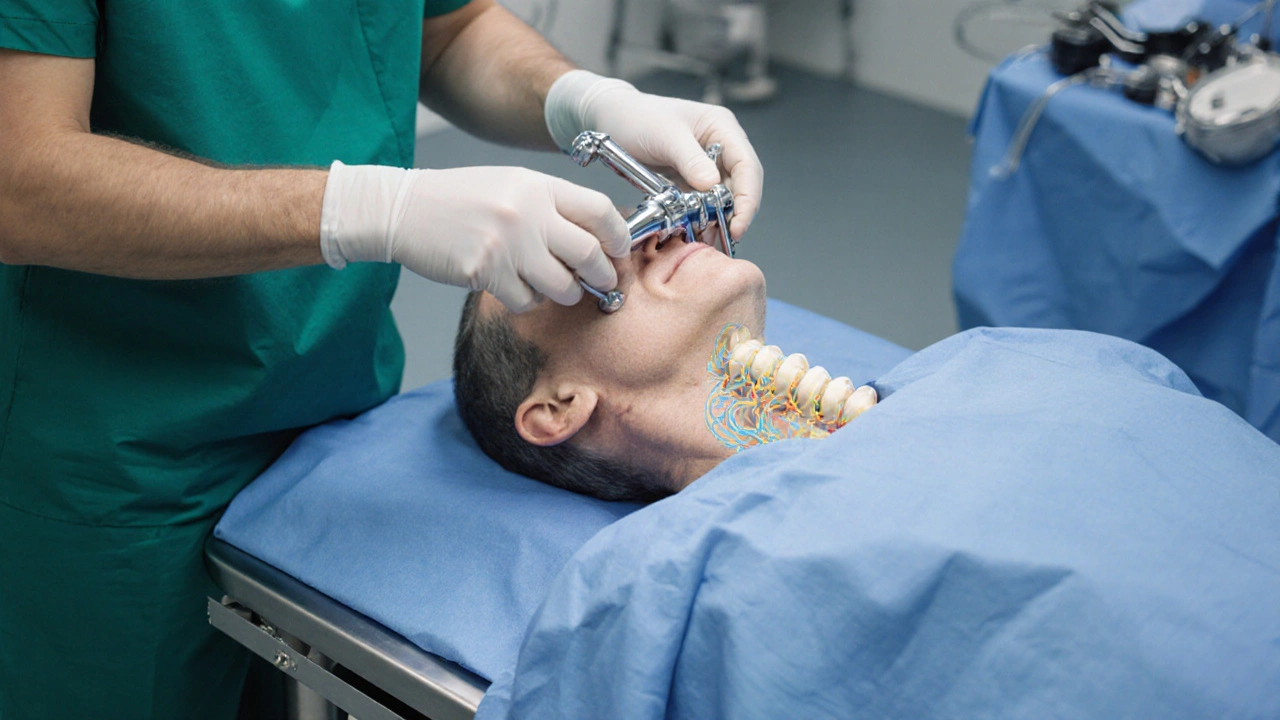
Most Painful Surgeries Ranked: Which Operations Hurt the Most?
Explore which surgeries cause the most pain, why they rank so high, and learn practical tips to manage severe postoperative discomfort.

Recent Posts

What Is the Strongest Form of Therapy for Mental Health?
February 20, 2026
Effective Therapies for Enhancing Mental Well-being
January 15, 2025

What Is the Hardest Thing About IVF? Real Challenges No One Talks About
November 16, 2025