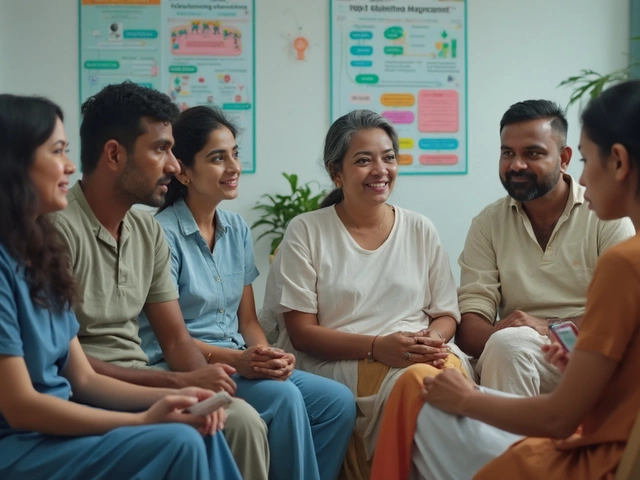
Palliative Care: What It Is and How It Helps in India
When someone is living with a serious illness like cancer, heart failure, or advanced dementia, the goal isn’t always to fix it—it’s to make life as comfortable as possible. That’s where palliative care, a specialized approach focused on relieving suffering and improving quality of life for people with serious illness. Also known as supportive care, it doesn’t mean giving up. It means shifting focus to what matters most: dignity, peace, and control.
Palliative care isn’t just about pain relief. It’s about managing symptoms like nausea, shortness of breath, fatigue, and anxiety—things no one talks about until they’re unbearable. It includes emotional and spiritual support for the patient, and also for the family trying to hold everything together. In India, where many families care for loved ones at home, palliative care teams help with medication, home visits, and even guidance on when to stop aggressive treatments. It’s not the same as hospice care, which usually comes only in the final weeks. Palliative care can start at diagnosis and run alongside treatments like chemotherapy or dialysis. It’s not a last resort—it’s a better way to live while you’re still living.
What you’ll find in these articles isn’t theory. It’s real talk from people who’ve been there. You’ll read about the quiet signs your body is shutting down from cancer, what families in India actually do when someone is dying at home, and why so many wait too long to ask for help. You’ll see how pain management in rural India differs from cities, and why some doctors still avoid the conversation until it’s too late. These aren’t medical textbooks. They’re stories from the kitchen table, the hospital corridor, the quiet hours before dawn—when the machines are off and all that’s left is human connection.
There’s no magic fix for dying. But there is a better way to walk through it—with less fear, less pain, and more presence. These posts don’t sugarcoat it. They just show you what’s possible when you stop fighting the inevitable and start honoring the person inside it.
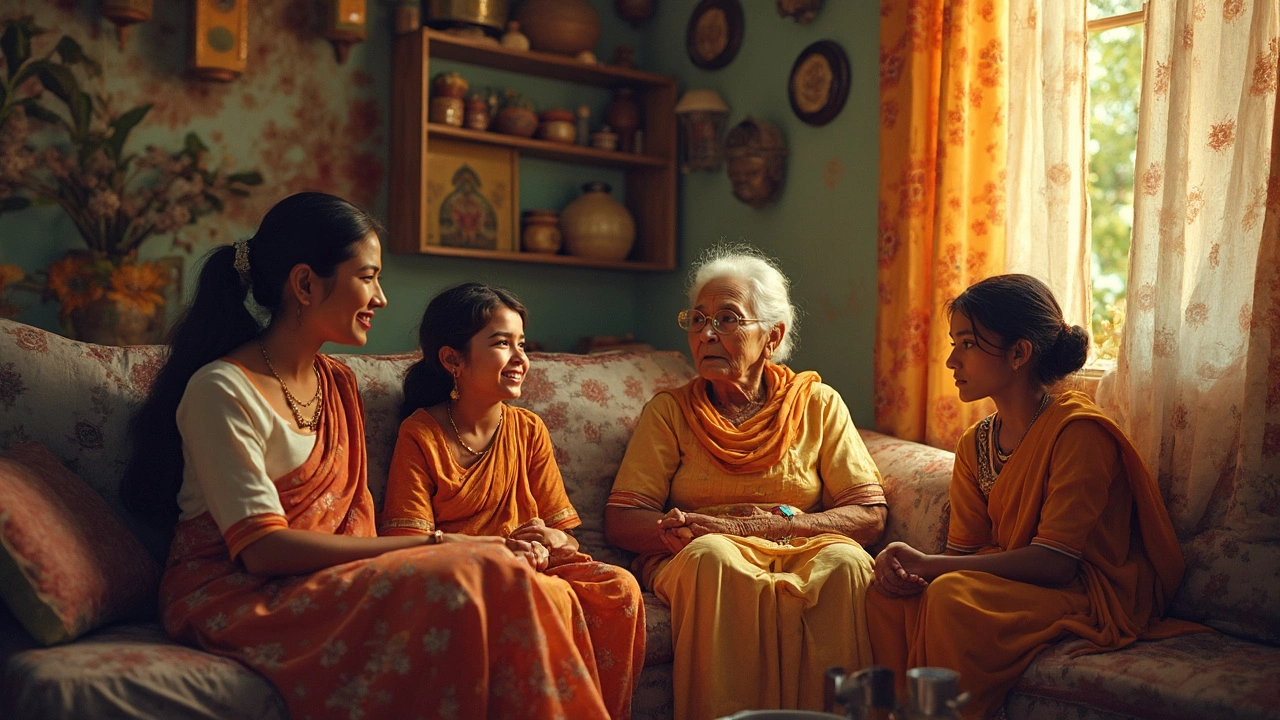
What Happens in the Last 6 Months of Cancer?
Navigating the last six months of a cancer journey is challenging, both for patients and loved ones. This period focuses on symptom management and quality of life, often involving palliative care to relieve pain and discomfort. Understanding the emotional and physical changes can help in making informed decisions. Support networks play a critical role, providing practical and emotional help. Preparing for this time can empower both the patient and their family to face these challenges with compassion.

Recent Posts

Avoiding Knee Replacement: Solutions for Bone-on-Bone Arthritis
January 8, 2025
The Most Ailment-Prone Countries and the Rise of Medical Tourism
December 19, 2024