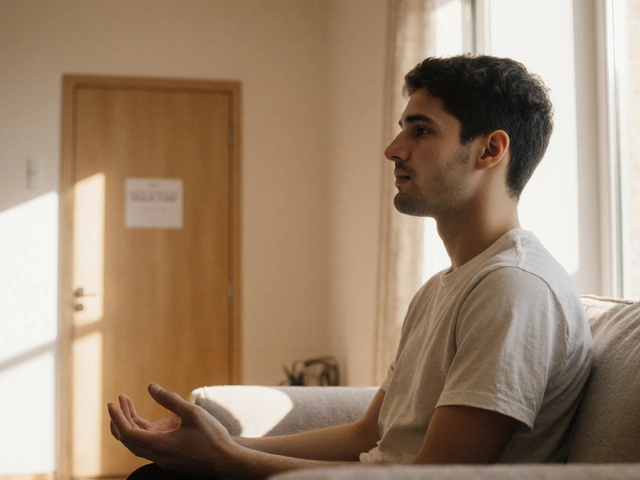
Painful Mental Illness: Signs, Struggles, and Real Help in India
When we talk about painful mental illness, a condition where emotional suffering becomes a constant, invisible burden that disrupts daily life. Also known as emotional pain disorder, it doesn’t always show up as crying or withdrawal—it can look like irritability, exhaustion, or just going through the motions. This isn’t just "feeling down." It’s the kind of pain that makes getting out of bed feel like climbing a mountain, where every thought echoes with shame, fear, or emptiness. In India, where mental health is still whispered about, this pain often goes unspoken—until it’s too late.
People with depression symptoms, a cluster of emotional, physical, and cognitive signs including persistent sadness, loss of interest, and fatigue don’t always cry. Sometimes they smile too much at work. They show up. They cook. They reply to texts. But inside, their body feels heavy, their mind races with self-blame, and sleep doesn’t fix anything. Meanwhile, anxiety disorders, conditions where fear becomes a constant companion, triggering physical tension, racing thoughts, and avoidance don’t just mean being nervous before a presentation. They mean waking up with a pounding heart for no reason, avoiding social events because the thought of being judged feels like a death sentence, or spending hours replaying a single conversation in your head.
These aren’t just "mental" problems. They show up in the body—headaches that won’t quit, stomach pain that no doctor can explain, insomnia that lasts for months, or sudden fatigue after a full night’s sleep. Many in India are told to "just pray more," "stay busy," or "stop being weak." But pain like this doesn’t vanish with willpower. It needs understanding, not judgment. It needs treatment, not silence.
What you’ll find in the posts below isn’t theory. It’s real stories and clear facts from people who’ve lived through this. You’ll read about how emotional pain hides behind physical symptoms, how therapy actually works (and when it doesn’t), and what alternatives exist beyond pills. Some of these posts talk about the loneliness of mental illness, the cost of care, or how family reactions can make things worse. Others show what helps—the small daily habits, the quiet breakthroughs, the moments when someone finally said, "I see you." You won’t find quick fixes here. But you will find truth. And sometimes, that’s the first step toward healing.
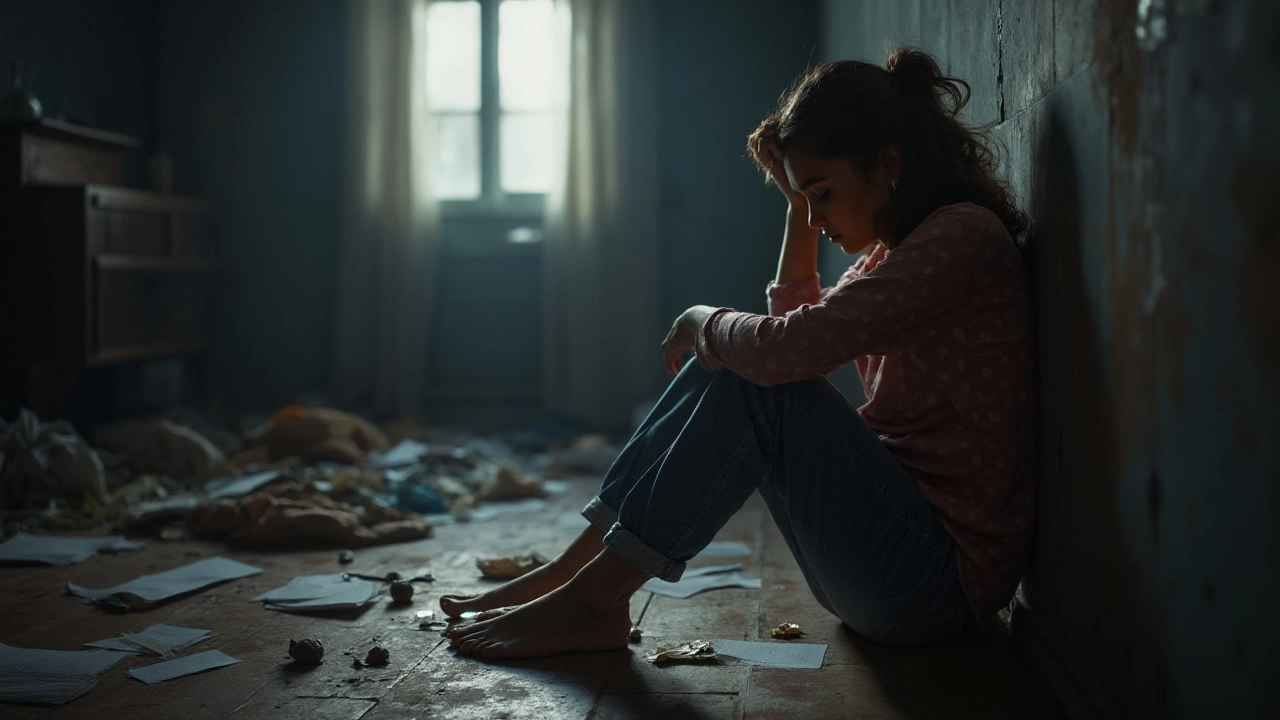
Understanding and Coping with the Most Debilitating Mental Illness
Living with a mental illness can significantly impact someone's life, making it difficult even to perform day-to-day tasks. Certain conditions are particularly challenging due to their symptoms, such as chronic depression, bipolar disorder, and borderline personality disorder. This article delves into what makes these mental illnesses particularly painful, exploring their symptoms, causes, and the effect on daily life. It also provides insights into therapeutic techniques and coping strategies that can help those affected find relief and hope. Through understanding and empathy, we can support those who experience the weight of these formidable conditions.

Recent Posts