Open Heart Surgery Anger: Why It Happens and How to Cope
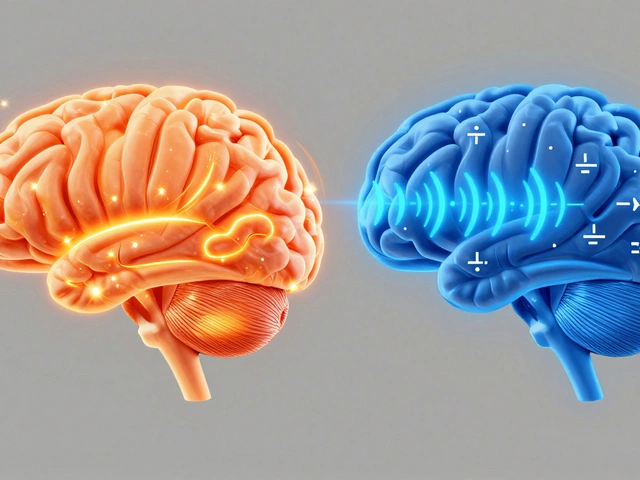
When someone goes through open heart surgery, a major surgical procedure to repair or replace heart valves, bypass blocked arteries, or fix congenital defects. It’s not just the body that’s changed—it’s the brain too. Many patients report unexpected bursts of anger, irritability, or even rage after surgery, even if they were calm before. This isn’t laziness, bad attitude, or lack of gratitude. It’s a documented medical response tied to how the heart-lung machine and anesthesia affect brain chemistry during the procedure.
Postoperative delirium, a temporary state of confusion and emotional instability following major surgery, is common after open heart surgery. Studies show up to 40% of patients experience mood swings, memory lapses, or unexplained anger in the first week. These symptoms often peak between days 3 and 7, when pain meds wear off and the body starts healing. The brain, starved of oxygen during surgery, takes time to reset. Inflammation, sleep disruption, and even the drugs used to control heart rhythm can trigger emotional outbursts. This isn’t the patient’s fault—it’s a side effect of the procedure. Many families mistake this for personality change, but it usually fades within weeks. What’s harder to spot is when anger turns into depression or anxiety that lingers. That’s when support becomes critical.
Cardiac rehab, a structured program of exercise, education, and counseling after heart surgery isn’t just about walking longer or lowering cholesterol. It’s one of the few places where emotional recovery is treated as seriously as physical recovery. Counselors in these programs see anger every day. They know it’s not about the patient being difficult—it’s about the brain trying to heal. Simple things like consistent sleep, avoiding caffeine after noon, and talking to someone who’s been through it can make a huge difference.
You won’t find this talked about in brochures. But if you or someone you love had open heart surgery and suddenly snapped at a nurse, cried over a TV show, or yelled because the TV remote was out of reach—this is normal. It’s not weakness. It’s biology. The body just went through a massive shock. Healing isn’t linear. Some days you’ll feel strong. Other days, even breathing feels heavy. Anger is just one way the nervous system says, "I’m overwhelmed."
Below, you’ll find real stories and science-backed advice from people who’ve been through this—what helped, what didn’t, and how to tell when it’s time to ask for help. No fluff. Just what works.
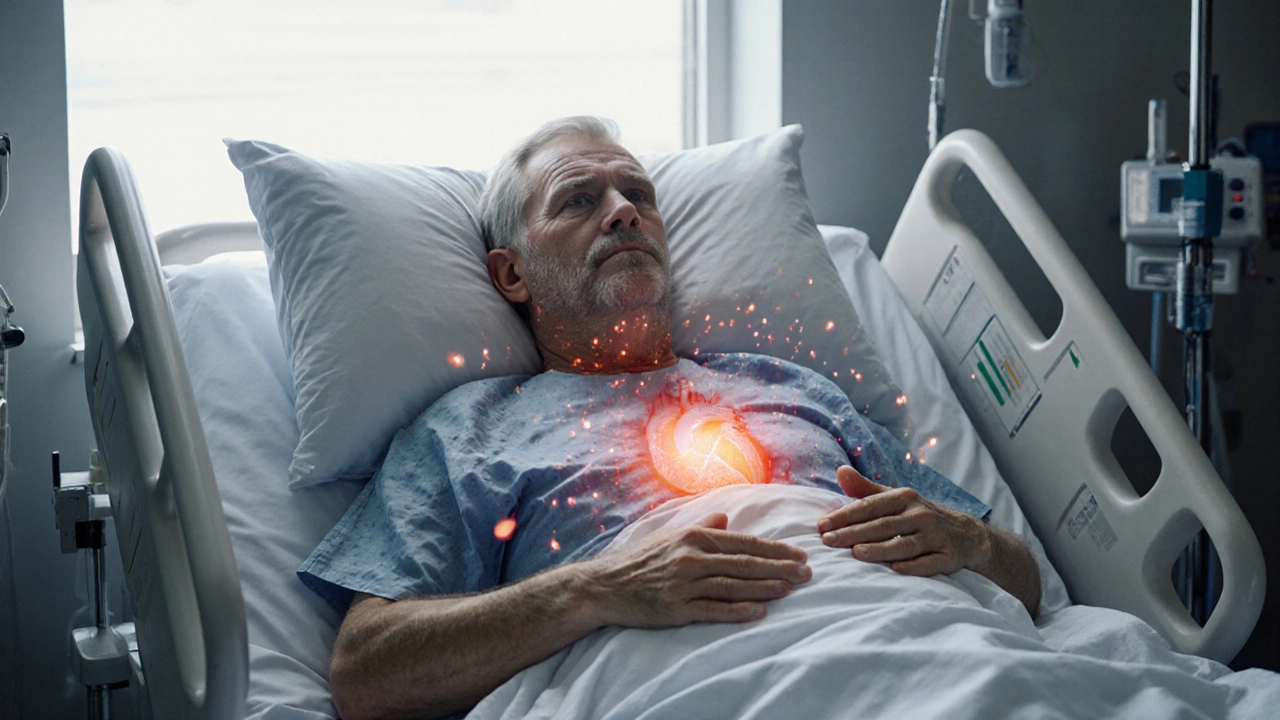
Post-Open-Heart Surgery Anger: Causes and Coping Strategies
Discover why anger often follows open‑heart surgery, learn the physiological and medication triggers, and get practical coping steps to regain emotional balance.

Recent Posts
How Many Rounds of IVF Does It Take to Get Pregnant?
February 3, 2026
What to Eat First in the Morning According to Ayurveda
November 20, 2025
Unusual Post-Heart Surgery Behaviors Explained
October 12, 2025