Knee Surgery Recovery: What to Expect and How to Heal Faster
When you undergo knee surgery recovery, the process of regaining strength, mobility, and function after surgical intervention on the knee joint. Also known as post-op knee rehabilitation, it's not just about waiting for pain to fade—it's about rebuilding your movement, one step at a time. Whether you had a total knee replacement, arthroscopy, or ligament repair, your body needs more than time to heal. It needs the right moves, the right habits, and the right expectations.
Many people think knee surgery recovery means staying off your feet for weeks. But research and real-world results show the opposite: gentle, consistent movement is the #1 factor in speeding up healing. physical therapy, a structured program of exercises and manual techniques guided by a licensed therapist to restore joint function isn’t optional—it’s the backbone of recovery. Skipping it leads to stiffness, muscle loss, and longer pain. And it’s not just about the gym. Simple things like walking around your house, using a shower chair safely, or doing ankle pumps while sitting all count. These aren’t just exercises—they’re your daily medicine.
Then there’s pain management, the strategic use of medications, ice, elevation, and movement to control discomfort during healing. Too much painkillers? You might feel numb but your muscles stay weak. Too little? You avoid moving, which slows everything down. The goal isn’t to be pain-free—it’s to stay active within your limits. And don’t ignore swelling. Ice and compression aren’t old-school tricks—they’re science-backed tools that reduce fluid buildup and help your body focus on repair.
Food matters too. Healing tissue needs protein, vitamin C, and zinc. But most people don’t think about it. If you’re eating junk because you’re tired or bored, you’re delaying your recovery. A simple plate of chicken, broccoli, and brown rice does more for your knee than a fancy supplement. And hydration? It’s not just for athletes. Your cartilage needs water to stay smooth and slippery during movement.
And let’s talk time. Most people expect to walk normally in 6 weeks. But full recovery? That’s 3 to 6 months. Your knee won’t feel like it did at 25—but it can feel strong, stable, and pain-free. The key is patience with progress, not perfection. Some days you’ll feel great. Other days you’ll ache. That’s normal. What’s not normal? Sudden swelling, fever, or numbness that won’t go away. Those are red flags. Call your doctor.
You’ll find posts here that break down exactly when you can shower after surgery, what to eat to heal faster, how to sleep without hurting your knee, and why some people bounce back in weeks while others struggle for months. No fluff. No hype. Just what works, based on real experiences and medical guidelines in the Indian context. Whether you’re 45 or 75, whether you had a simple cleanup or a full replacement, this collection gives you the clear, practical steps to get back on your feet—safely and for good.
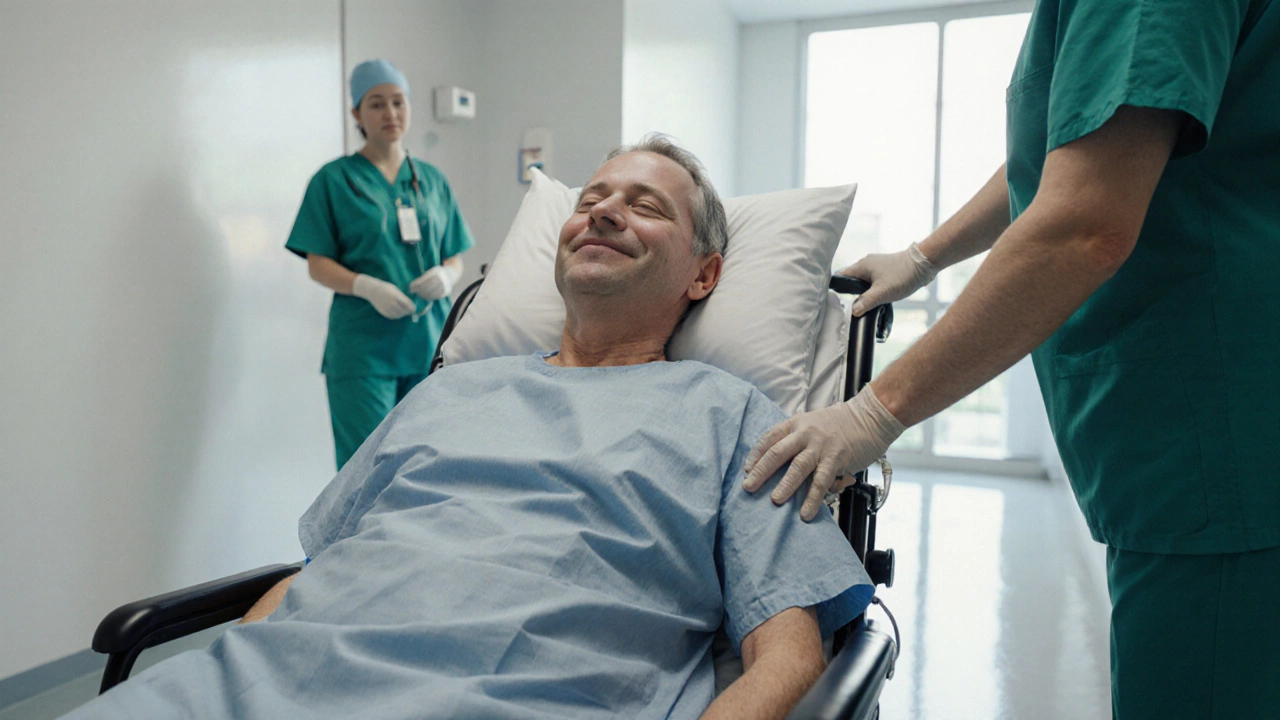
What Is the Hardest Day After Knee Replacement? A Detailed Recovery Guide
Find out which day after knee replacement is usually the toughest, why it hurts so much, and practical tips to ease pain, swelling, and rehab for a smoother recovery.


How Long to Walk Normally After Knee Replacement?
Recovering from knee replacement surgery is a journey that involves patience and rehabilitation. Generally, patients start walking shortly after surgery with the help of physical therapy. Most individuals begin feeling more stable on their feet within six weeks, but a full return to normal walking can take a few months. Factors like age, general health, and adherence to post-op guidelines significantly influence recovery time.
Recent Posts

Understanding the Effects of IVF Injections on Your Body
January 29, 2025
Is ADHD a Form of Autism? Clear Facts About the Connection
March 17, 2026

Does Hers Accept Insurance? A Quick Guide
February 19, 2025