Knee Pain: Causes, Relief, and What Really Works for Indian Patients
When your knee pain, a common condition affecting mobility and daily life, often caused by wear, injury, or inflammation. Also known as osteoarthritis of the knee, it doesn’t just hurt—it stops you from walking, climbing stairs, or even standing up from a chair. In India, where many people sit on the floor, walk long distances, or carry heavy loads, knee pain isn’t just a sign of aging. It’s a daily struggle for farmers, shopkeepers, office workers, and even young gym-goers.
The most common cause? Osteoarthritis, a degenerative joint disease where cartilage breaks down over time, leading to bone-on-bone friction. This is especially true after 45, but poor posture, obesity, and lack of movement can make it happen much earlier. Then there’s knee replacement, a surgical option for severe cases where the damaged joint is replaced with an artificial one. It’s not a last resort anymore—it’s a life-changing fix for people who’ve tried everything else and still can’t walk without pain. Many don’t realize that knee pain can also come from meniscus tears, ligament injuries, or even simple muscle weakness. And while painkillers give quick relief, they don’t fix the root problem. Physical therapy, weight control, and targeted exercises often work better—and cost far less.
What you’ll find in these posts aren’t generic tips. These are real stories from Indian patients: the day after knee replacement when pain peaks, how to safely shower after surgery, what actually helps reduce swelling, and why some home remedies make things worse. You’ll see how diet, daily habits, and even the type of footwear you wear in India’s uneven streets can impact your knees. No fluff. No marketing. Just what works, based on what patients and doctors here have seen.

Bad Knees: The #1 Mistake That Makes Them Worse
Ignoring knee pain and pushing through with high-impact activities is the one mistake that can really mess up already bad knees. People usually think that 'no pain, no gain' works with knee problems, but this can speed up damage and even make surgery more likely. Learning to listen to your body and swap intense moves for joint-friendly ones can make a big difference. Small changes in daily habits can protect your knees and delay knee replacement. This article lays out the biggest pitfall, what to do instead, and some quick wins for healthier knees.

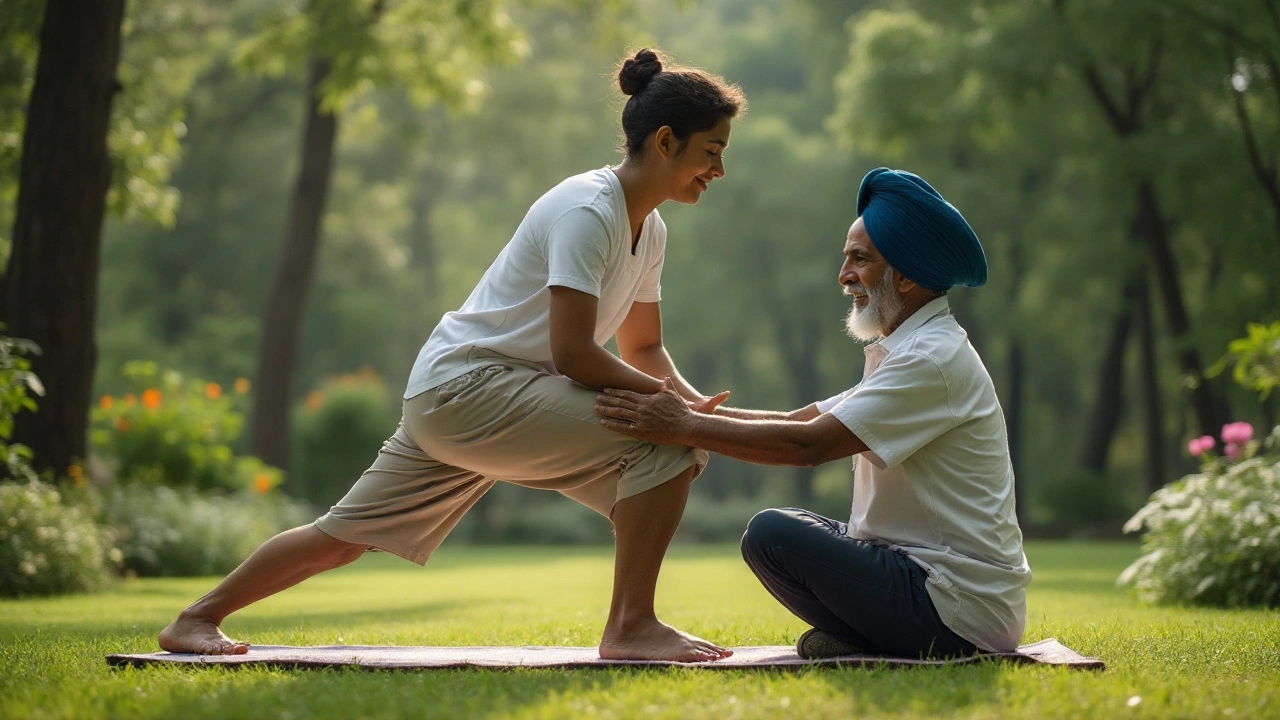
Avoiding Knee Replacement: Solutions for Bone-on-Bone Arthritis
Bone-on-bone knee conditions can be painful and lead many to consider knee replacement surgery. However, alternative approaches may help manage pain and improve mobility. From lifestyle adjustments and physical therapies to innovative medical treatments, there are ways to potentially delay or avoid surgery. This article explores various strategies and techniques to help individuals with severe knee arthritis maintain an active lifestyle.
Recent Posts

Dental Insurance Coverage for Implants: What to Expect
March 5, 2025
Does ADHD Worsen With Age? Facts & Insights
October 25, 2025
The Most Ailment-Prone Countries and the Rise of Medical Tourism
December 19, 2024
Losing 20 lbs in a Month with Semaglutide: Is It Realistic?
October 26, 2025