Kidney Disease: Signs, Causes, and What You Can Do in India
When your kidney disease, a condition where kidneys lose their ability to filter waste and fluid from the blood. Also known as chronic kidney disease, it often creeps up silently—no pain, no warning—until it’s advanced. In India, where diabetes and high blood pressure are widespread, kidney disease isn’t rare. It’s a quiet epidemic. Many people don’t know they have it until their kidneys are at 30% function or worse. And by then, options shrink fast.
Kidney disease doesn’t happen in a vacuum. It’s linked to diabetes, the top cause of kidney damage in India, where over 100 million people live with the condition. High sugar levels slowly scar the tiny filters in your kidneys. Then there’s high blood pressure, the second biggest driver, which forces blood through those filters too hard, wearing them out over time. Even overuse of painkillers like ibuprofen or diclofenac—common for back pain or headaches—can hurt your kidneys if taken daily for months. And let’s not forget poor water quality, lack of regular checkups, and delayed care in rural areas.
The early signs? They’re easy to miss. You feel tired all the time. Your ankles swell up after standing. You pee more at night. You lose your appetite. These aren’t just "getting older" things. They’re red flags your kidneys are struggling. By the time you feel nausea or have trouble breathing, it’s often too late for simple fixes. The good news? If caught early, you can slow or even stop the damage. Diet changes, better blood sugar control, cutting salt, and avoiding certain meds can make a huge difference. Many people in India manage kidney disease for years without ever needing dialysis—if they act in time.
What you’ll find in the posts below isn’t theory. It’s real, grounded advice from people who’ve lived it. You’ll see how new diabetes drugs like SGLT2 inhibitors are now protecting kidneys, not just lowering sugar. You’ll learn what foods help and what to avoid—no vague "eat healthy" advice, just clear choices. You’ll understand why some medicines that seem harmless can wreck your kidneys, and what to ask your doctor before taking them. And yes, you’ll find out what dialysis really looks like in India, the costs, the options, and how to prepare if it comes to that. This isn’t about fear. It’s about knowing what’s happening in your body—and what you can still control.
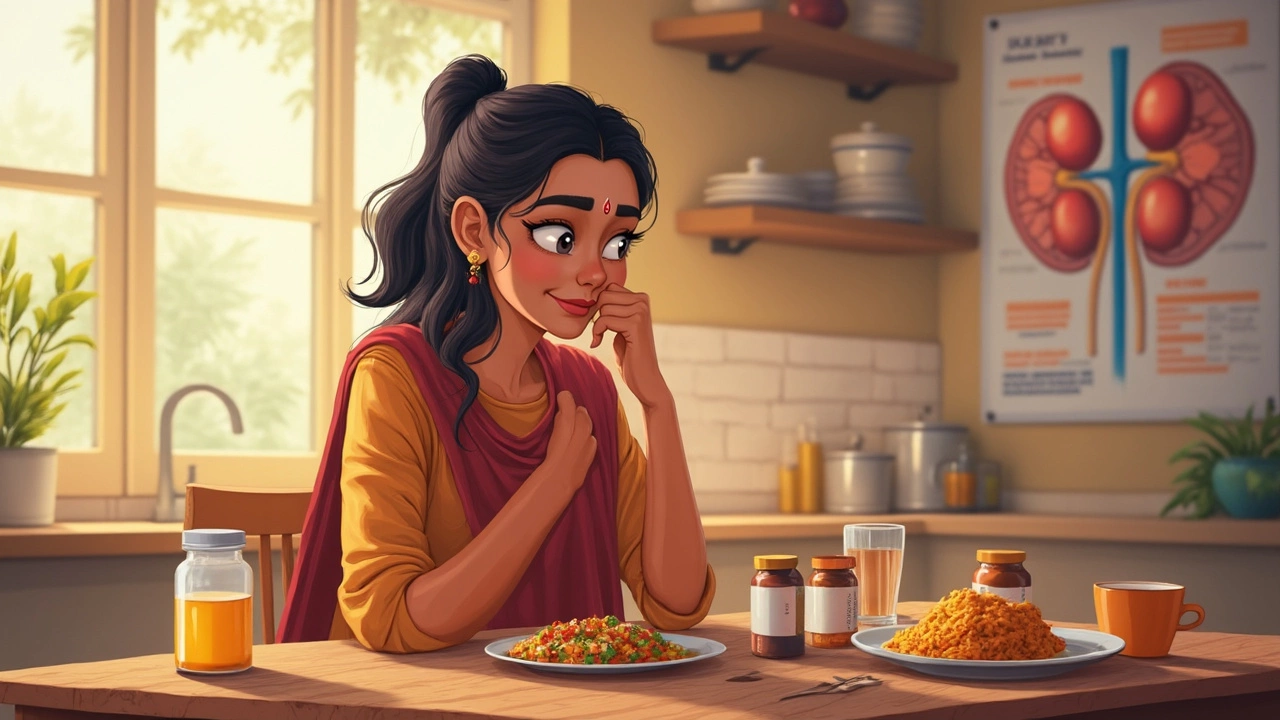
Vitamins That Can Stress Your Kidneys: What to Know Before You Supplement
Some vitamins are tough on kidneys, especially with high doses or kidney issues. Learn which vitamins to watch and how to protect your kidney health.

Recent Posts

Is Ozempic Effective for Weight Loss?
April 16, 2025


Understanding Your Visit to an Orthopedic Specialist
January 10, 2025