High Risk Heart Surgery: What You Need to Know Before the Operation
When doctors say you need high risk heart surgery, a cardiac procedure with elevated chances of complications due to age, other illnesses, or severe heart damage. Also known as complex cardiac surgery, it’s not a last resort—it’s often the only way to extend life when the heart can’t keep up anymore. In India, where diabetes and hypertension are widespread, many patients arrive at this point with multiple health problems already in play. That’s what makes the surgery high risk—not just the heart, but the whole body.
This isn’t the same as a routine bypass surgery, a procedure to reroute blood around blocked arteries using veins or arteries from elsewhere in the body. CABG is common, but when the patient has weak kidneys, lung disease, or has had prior heart operations, even a standard bypass becomes high risk. The same goes for valve replacement, surgery to fix or replace damaged heart valves that no longer open or close properly. aortic valve replacement can be life-saving, but if you’re 80, diabetic, and on dialysis, the odds shift dramatically.
What makes someone high risk? It’s not just age. It’s how many other systems are failing. A weak kidney means your body can’t clear anesthesia well. Poor lung function means you might not get enough oxygen during surgery. Diabetes slows healing and raises infection risk. These aren’t just numbers on a chart—they’re real, daily challenges that shape whether surgery will help or hurt.
Doctors in India see this every day. Many patients delay care until they’re too weak for simple fixes. That’s when high risk heart surgery becomes necessary. But knowing you’re high risk doesn’t mean giving up. It means preparing smarter—controlling blood sugar, quitting smoking, doing breathing exercises, and choosing a hospital with experience in complex cases. The best outcomes come from teams that specialize in these tough cases, not general cardiac units.
You’ll hear terms like ejection fraction, NYHA class, or EuroSCORE. They sound scary, but they’re just tools doctors use to predict risk. A low ejection fraction means your heart pumps poorly. A high EuroSCORE means the chance of not surviving the surgery is above 10%. That’s not a death sentence—it’s a warning to plan carefully. Some patients need a staged approach: fix the easiest problem first, let the body recover, then tackle the next.
Recovery after high risk heart surgery isn’t like the movies. There’s no quick return to normal. It’s slow. It’s hard. It’s full of setbacks. But for many, it’s the difference between being bedridden and walking again. The key is managing expectations. This isn’t about getting back to your 30-year-old self. It’s about gaining back enough strength to sit with your grandchildren, take a shower without help, or breathe without gasping.
Below, you’ll find real stories and clear facts from Indian medical practice—what actually happens before, during, and after high risk heart surgery. No hype. No guesswork. Just what patients and doctors in India have learned the hard way.
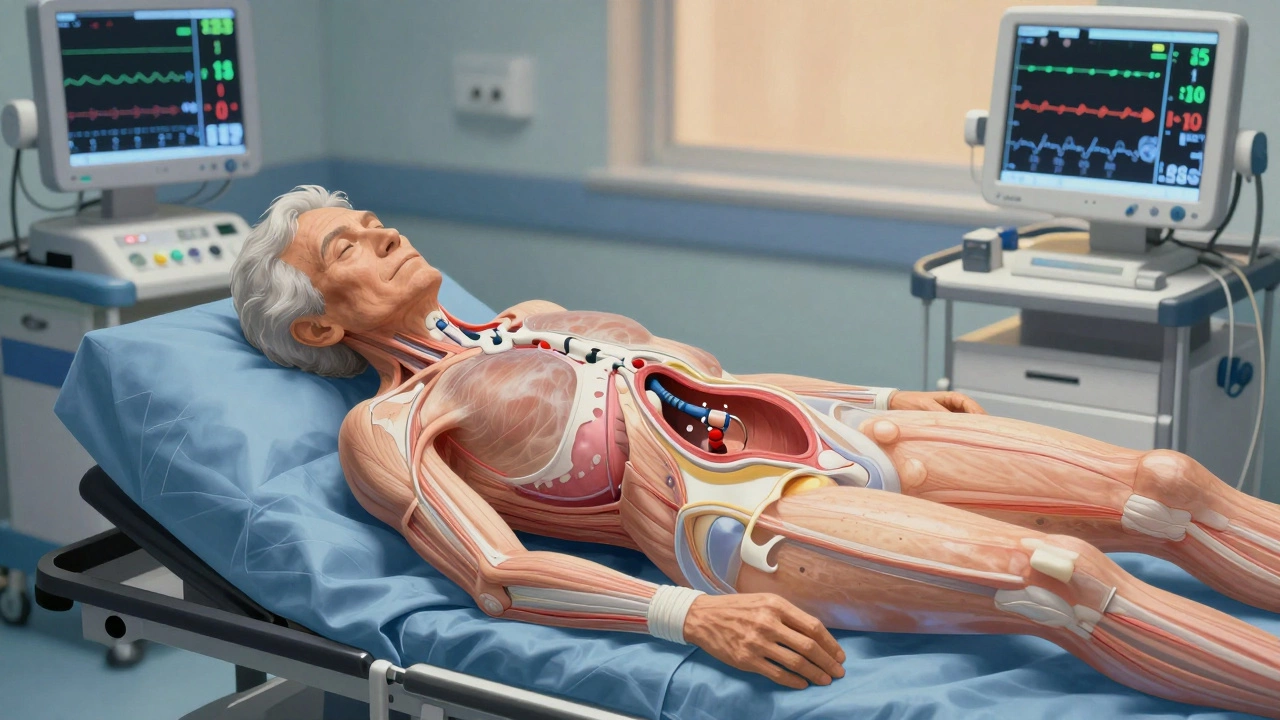
Who Is High Risk for Heart Surgery? Key Factors That Increase Complication Chances
Heart surgery isn't equally risky for everyone. Learn the key health factors that make someone high risk-including age, diabetes, lung disease, kidney problems, and obesity-and what you can do to improve your chances.

Recent Posts