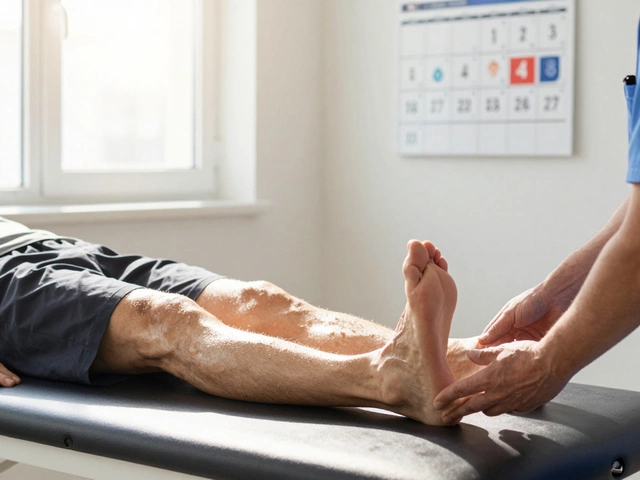
Emotional Changes: Why They Happen and How to Handle Them
When your body goes through stress—whether from cancer, surgery, diabetes, or IVF—it doesn’t just hurt physically. Your emotional changes, shifts in mood, irritability, sadness, or numbness that often follow physical trauma or illness are just as real. These aren’t "all in your head." They’re biology. Your brain is reacting to pain, hormones, sleep loss, and the weight of uncertainty. In India, where mental health is still stigmatized, many patients suffer in silence, thinking they should just "be strong." But emotional changes aren’t weakness—they’re a signal.
Look at the posts here: after open-heart surgery, a major cardiac procedure that disrupts the body’s balance and triggers inflammation, people report sudden anger or confusion. That’s not personality change—it’s post-surgery emotions, temporary mood disturbances caused by medication, anesthesia, or brain inflammation. Same with IVF, a fertility treatment that floods the body with hormones and creates psychological pressure. The injections, waiting, and failed cycles don’t just drain your wallet—they drain your spirit. And when someone is in end-stage cancer, the final phase of a terminal illness where the body begins shutting down naturally, emotional numbness or quiet sadness isn’t depression—it’s the mind preparing for what’s next.
These aren’t random reactions. They’re predictable patterns. Hormones like cortisol and serotonin shift. Sleep breaks down. Social isolation grows. In India, where family support is strong but mental health care is scarce, these changes often go untreated. No one tells you it’s normal to cry after a knee replacement. Or to feel guilty for being angry when your diabetes won’t stabilize. Or to feel lost after months of IVF with no baby. But it is. And you’re not broken for feeling it.
What you’ll find below are real stories and straight facts from Indian patients and doctors. No fluff. No platitudes. Just what emotional changes look like in practice—when they show up, what makes them worse, and how people actually cope. Some found relief in simple things: walking, talking to a friend, adjusting medication. Others needed therapy. A few didn’t know they needed help until they broke down. This isn’t about fixing emotions. It’s about recognizing them, naming them, and knowing you’re not alone.
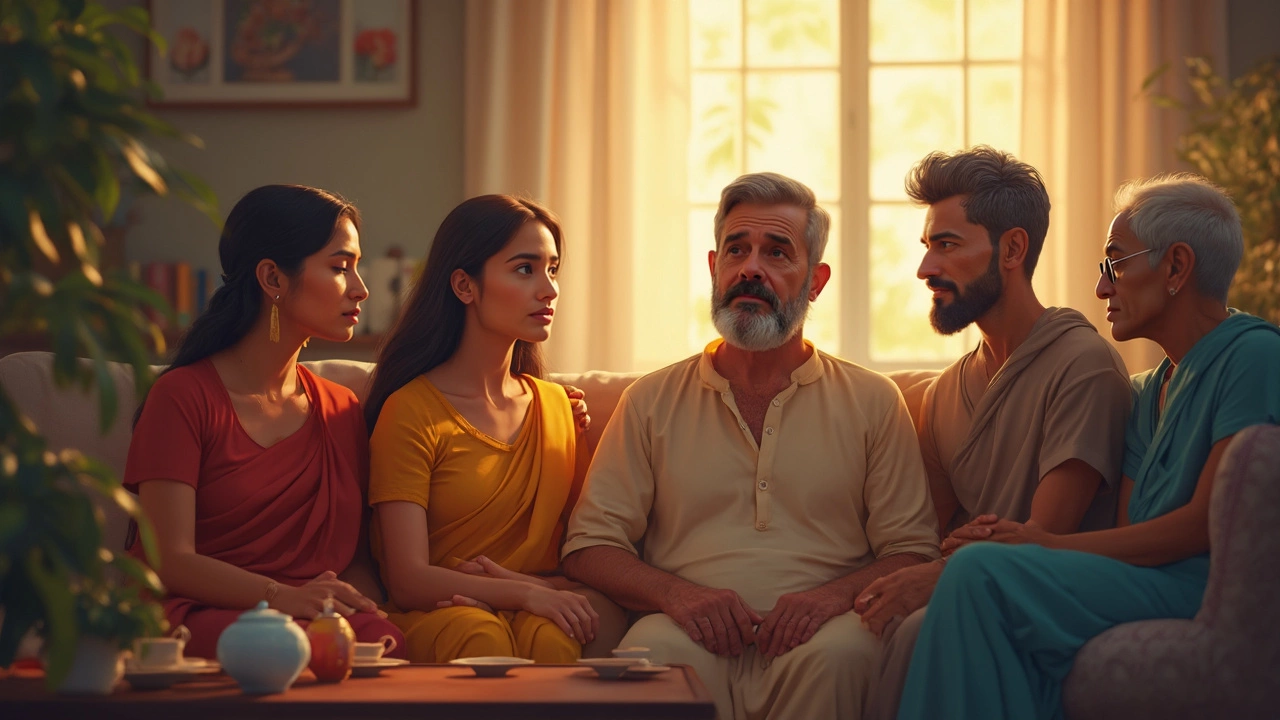
Personality Change After Open-Heart Surgery: What’s Really Going On?
Open-heart surgery is a huge deal, and for some patients, life feels different afterward in ways that go beyond physical healing. Family members and patients may notice mood swings, memory problems, or a totally different outlook than before. This article digs into why personality changes happen after heart surgery, what to expect, and how to manage the journey. You’ll find tips for spotting real red flags, helping your loved one cope, and even recognizing when things should get better. Get practical advice and real facts, all in plain English.

Recent Posts

What is the most popular medication for diabetes?
December 16, 2025
Choosing Between a Psychologist and a Therapist: What You Need to Know
December 24, 2024
What Happens to the Brain After Heart Surgery?
January 30, 2026