Daily Supplement: What Works, What Doesn't, and What Indians Need to Know
When you hear daily supplement, a pill or powder taken regularly to support health, often used to fill nutritional gaps. Also known as vitamin or mineral supplement, it's something millions in India take every morning—sometimes without knowing why. But here’s the truth: most people take supplements because they think they should, not because they need them. And in a country where diet varies wildly—from rice-heavy meals in the south to dairy-rich breakfasts in the north—your body’s needs aren’t the same as someone in the U.S. or Europe.
Take CoQ10, a natural compound that helps cells produce energy and supports heart function. Also known as coenzyme Q10, it's commonly used by people on statins to fight fatigue and muscle pain. Studies show it helps Indians on cholesterol drugs feel less tired, but if you’re not on statins? It’s probably just money down the drain. Then there’s weight loss supplements, products marketed to burn fat or suppress appetite, often with little clinical backing. You’ll see ads for Ayurvedic fat burners or miracle pills promising 20 lbs in a month. But real weight loss? That comes from fixing digestion, reducing stress, and eating at the right time—like Ayurveda says. Not from popping a capsule.
And don’t forget vitamin supplements, isolated nutrients taken to prevent or correct deficiencies. In India, vitamin D deficiency is everywhere—over 70% of people are low, even in sunny cities. But taking a random D3 pill won’t fix it if you never step outside. Sunlight + diet + smart dosing is the real combo. Same with B12: vegetarians often need it, but many take it without testing their levels first. You could be overdoing it, or worse, missing the real problem—poor absorption.
The biggest mistake? Taking supplements because they’re trendy. You see someone on Instagram glowing after taking collagen, so you buy it. But collagen doesn’t fix your skin if your diet is full of fried snacks and sugar. Supplements don’t replace food. They fix gaps. And most Indians don’t have gaps—they have imbalances. Too much white rice. Too little protein. Too little sleep. Too much stress. No pill fixes that.
What actually works? Testing first. Eating real food. Moving your body. Sleeping well. Then, if needed, adding one or two supplements based on real results—not Instagram ads. The posts below show you exactly what’s backed by science, what’s just noise, and what’s dangerously misleading. You’ll find out why Ozempic isn’t a supplement, why CoQ10 helps some but not others, and why the best daily supplement might just be a warm glass of water with lemon in the morning.

What Is the #1 Supplement to Take? The Science-Backed Answer for Everyday Health
Vitamin D3 is the #1 supplement most people need daily-especially in urban India. It supports immunity, mood, and bone health. Learn why it beats ashwagandha, magnesium, and other herbs for everyday use.

Recent Posts

What is the Hardest Part of IVF?
April 2, 2025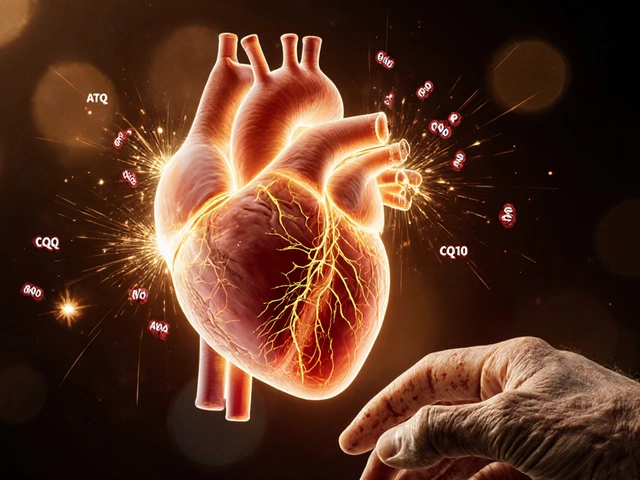
What is CoQ10 good for? Benefits for heart, energy, and aging
October 28, 2025