Cardiac Surgery and Emotional Health: What You Need to Know
When you undergo cardiac surgery, a surgical procedure to repair or replace damaged heart structures, often performed for blocked arteries, valve issues, or heart failure. Also known as open-heart surgery, it’s life-saving—but it doesn’t end when the incision heals. Many people assume recovery is just about physical strength: walking farther, climbing stairs, regaining energy. But the real challenge? The quiet, invisible toll on your emotional health, your mental and psychological well-being, including mood, stress levels, and sense of control after a major medical event. Studies show nearly 1 in 3 patients experience depression or anxiety after heart surgery, yet few doctors talk about it. Why? Because it’s not visible on an ECG or echo scan. But it’s just as critical as your ejection fraction.
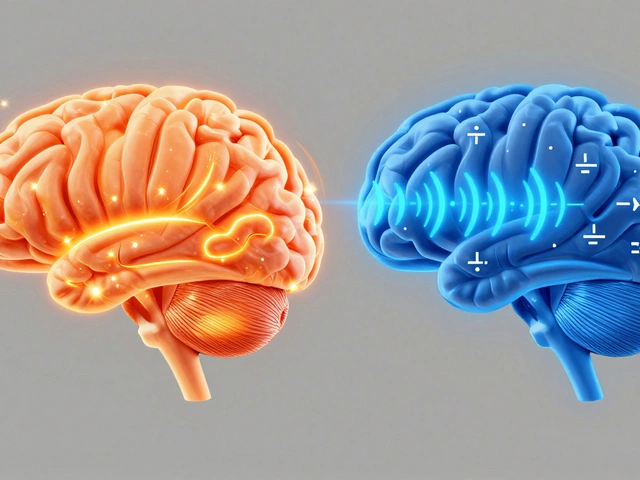
After cardiac surgery, your brain is rewiring. The stress of the procedure, the sudden loss of independence, the fear of another episode—all of it piles up. You might feel guilty for being tired, angry that you can’t return to work, or isolated because friends don’t understand why you’re not "back to normal." This isn’t weakness. It’s a normal response to a traumatic event. And it’s why cardiac rehab, a structured program combining monitored exercise, education, and psychological support to help patients recover after heart surgery or heart attack. isn’t just about treadmills and diet plans. The best programs include counselors, support groups, and screenings for depression. In fact, patients who get emotional support during rehab are 40% more likely to stick with their exercise routine and avoid readmission. Emotional health isn’t a side note—it’s part of the treatment plan.
What helps? Talking to someone who’s been through it. Joining a peer group. Writing down your fears instead of burying them. Getting sunlight every day—even just 15 minutes. Skipping the guilt over needing rest. These aren’t "nice-to-haves." They’re medical necessities. The posts below don’t just list symptoms or recovery timelines. They show real stories from people in India who’ve walked this path: the sleepless nights after surgery, the sudden crying spells, the relief of finding a therapist who gets it, the slow return of joy. You’re not alone. And healing isn’t just about a stronger heart—it’s about a calmer mind.
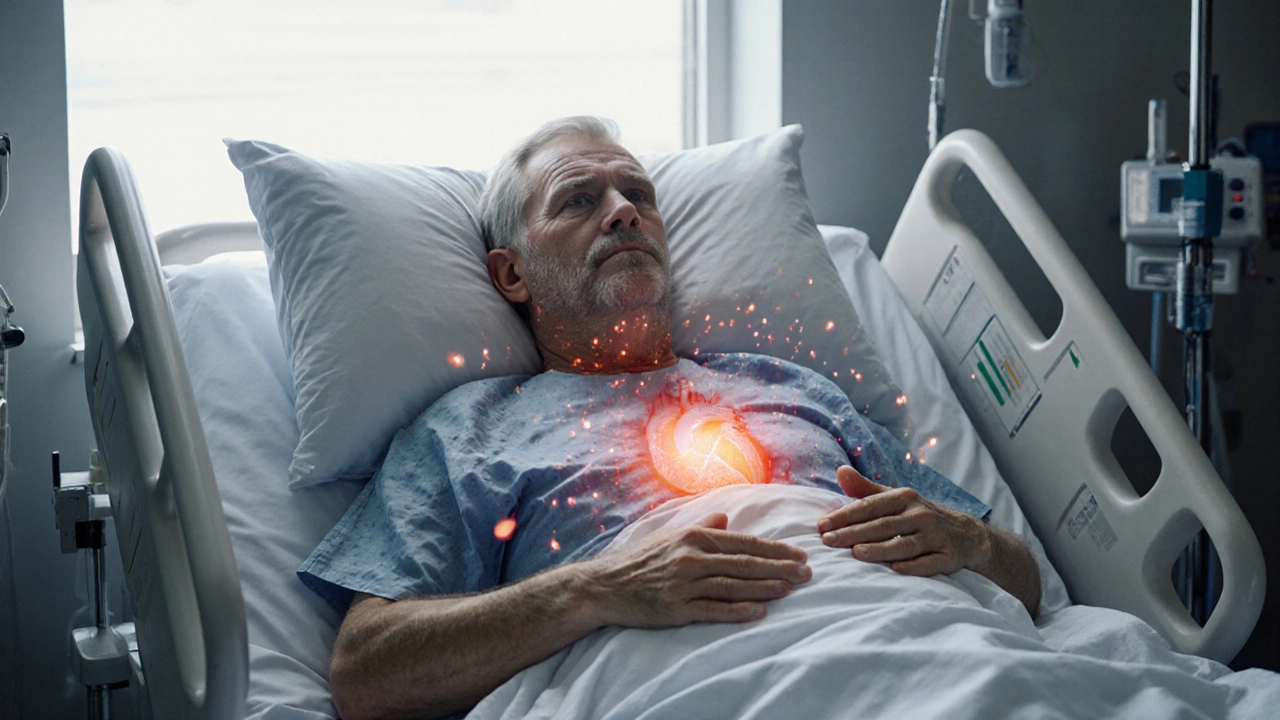
Post-Open-Heart Surgery Anger: Causes and Coping Strategies
Discover why anger often follows open‑heart surgery, learn the physiological and medication triggers, and get practical coping steps to regain emotional balance.

Recent Posts

Understanding the Challenges of Treating Pancreatic Cancer
January 2, 2025
Unveiling the 7-Step Korean Skincare Routine for Radiant Skin
January 23, 2025