Bone Injury: Signs, Recovery, and What Really Helps
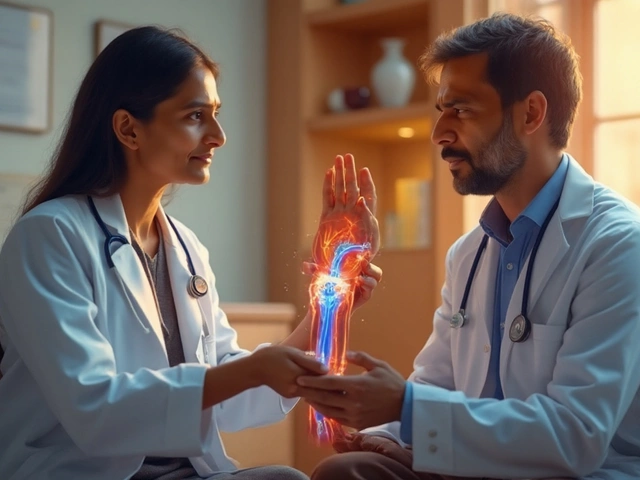
When you break a bone injury, a crack or break in any of the 206 bones in the human body, often from trauma, overuse, or weakness. Also known as a fracture, it can range from a tiny hairline crack to a complete shattering that needs surgery. This isn’t just pain—it’s your body’s signal that something’s off, and how you respond makes all the difference.
Bone injuries don’t happen in a vacuum. They’re tied to bone health, the strength and density of your skeleton, shaped by diet, movement, and hormones. If your vitamin D is low or you’re not moving enough, even a simple fall can turn into a break. That’s why so many older adults in India end up with hip fractures—not because they’re clumsy, but because their bones lost their resilience over time. fracture recovery, the process of healing broken bone through rest, nutrition, and controlled movement isn’t just about waiting. It’s about doing the right things at the right time. Too much rest weakens the bone. Too much movement risks re-injury. The sweet spot? A balance guided by your doctor and your own body’s feedback.
You’ll know a bone injury is serious if the pain doesn’t fade after a few days, if you can’t put weight on the area, or if there’s swelling that won’t go down. Sometimes, you won’t even feel a pop—just a dull ache that gets worse with activity. That’s often a stress fracture, a tiny crack from repeated pressure, common in runners or people who suddenly increase their activity. And yes, even kids get them—from jumping too much on hard surfaces or playing sports without proper warm-ups.
Recovery isn’t just about casts and crutches. It’s about what you eat, how you sleep, and whether you’re getting enough sunlight. Vitamin D isn’t just a supplement—it’s the glue that helps your body absorb calcium and rebuild bone. Protein? Non-negotiable. Without enough, your body can’t repair the damage. And movement? Gentle motion after the first week isn’t optional—it’s what tells your bone to grow back stronger. Too many people sit still for weeks, thinking rest equals healing. It doesn’t. It just makes you weaker.
What you’ll find in these posts isn’t generic advice. It’s real talk from people who’ve been through it: the toughest day after knee replacement, how to shower safely when your leg is healing, why some people bounce back faster than others, and what actually helps bones mend—no fluff, no magic pills. Whether you’re recovering from a sports injury, a fall, or a slow degeneration, the path back isn’t the same for everyone. But the science behind healing? That’s universal.
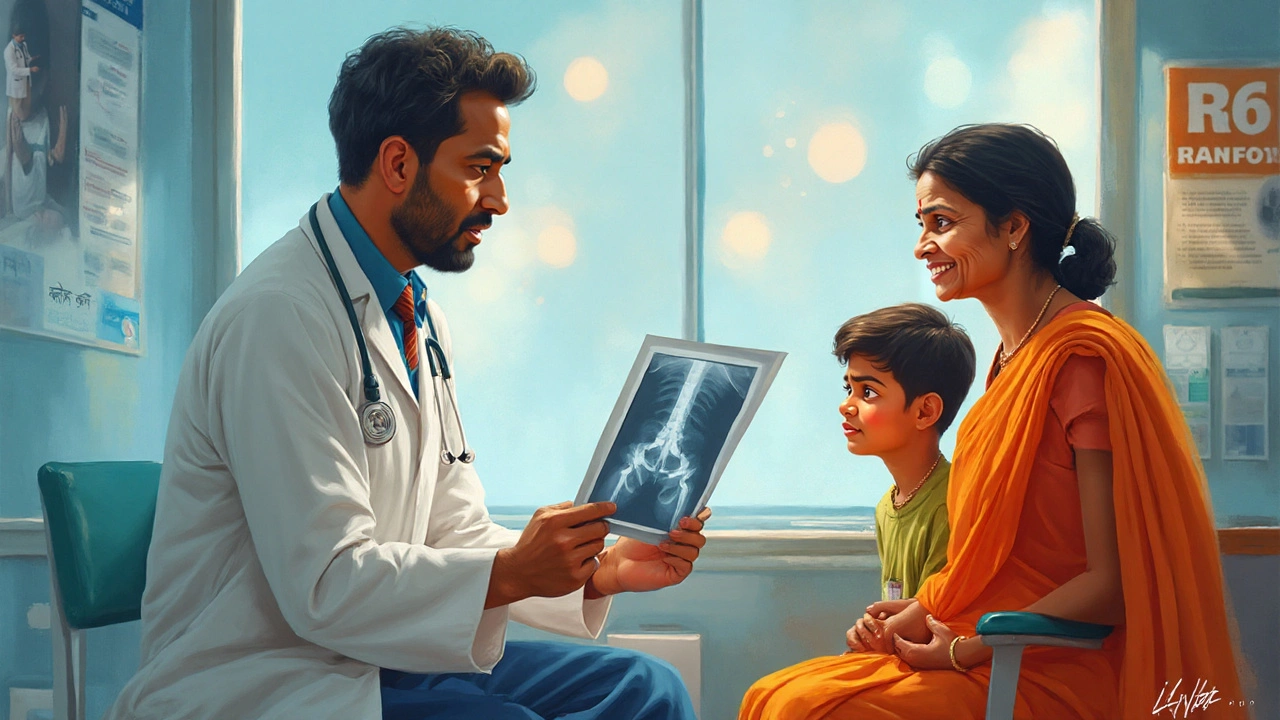
Understanding the 4 A's of Orthopedics: Essential Principles for Bone and Joint Care
Curious about the 4 A's of orthopedics? Get the facts and learn how they guide every step of bone and joint injury care, from diagnosis to recovery.

Recent Posts

Effective Therapies for Enhancing Mental Well-being
January 15, 2025