Pharmacy Stock Check Planner
Create Your Stock Check Plan
Your personalized stock check plan will appear here after you select your preferences.
Your Personalized Action Plan
Nothing ruins a week quite like realizing your blood pressure meds or insulin are gone, and the local store is out of stock. It’s stressful, inconvenient, and frankly, dangerous if you’re relying on that medication for daily stability. In 2026, with supply chain quirks still affecting the healthcare industry, "out of stock" isn’t just an occasional hiccup-it’s a reality many patients face regularly.
You don’t have to guess anymore. Checking medication availability has moved far beyond calling ten different stores until someone answers. Today, you can use digital tools, direct communication strategies, and smart planning to ensure you get what you need, when you need it. This guide breaks down exactly how to check if a pharmacy has your specific medication in stock, saving you time and preventing treatment gaps.
The Digital First Step: Using Online Inventory Tools
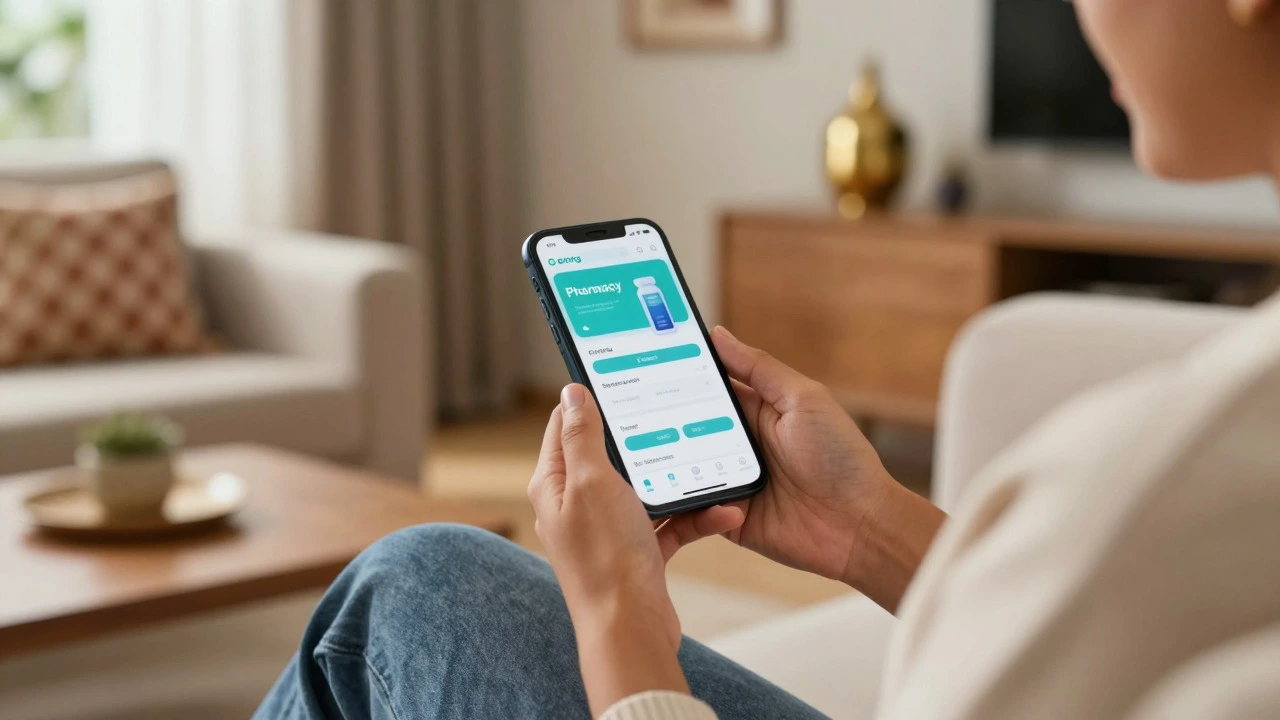
The fastest way to check stock without leaving your couch is through digital inventory systems. Most major online pharmacies and large retail chains now integrate real-time inventory data into their websites and apps. This technology connects directly to the pharmacy management system, showing you what’s physically sitting on the shelf at your chosen location.
Here is how to use these tools effectively:
- Use Chain-Specific Apps: If you shop at a major retailer like CVS, Walgreens, or Rite Aid, download their official app. These platforms often allow you to search for both over-the-counter (OTC) drugs and prescriptions by entering your ZIP code. The results will show you which nearby locations have the item in stock and how many units are available.
- Leverage Aggregator Websites: Services like GoodRx, RxSaver, or SingleCare not only provide coupons but also feature a "Check Availability" button. When you search for a drug, these sites scan multiple pharmacies in your area and display current stock levels. This is particularly useful for comparing prices while simultaneously confirming availability.
- Online Prescription Portals: If you use an online pharmacy service, log into your patient portal. Many services send automated alerts if your refill is delayed due to stock issues. Proactively checking the status of your order in the portal can give you an early warning before the delivery window closes.
Keep in mind that digital inventory isn’t always perfect. There can be a slight lag between when an item is scanned off the shelf and when the system updates. However, for most common medications, these tools are highly accurate and save you significant legwork.
When Digital Fails: The Art of Calling Ahead
Sometimes, the app says "in stock," but the shelf is empty. Or worse, the digital tool doesn’t list smaller, independent pharmacies that might actually have what you need. This is where a phone call becomes your best friend. While it feels old-school, talking to a pharmacist provides context that an algorithm cannot.
To make this process efficient, follow these steps:
- Have Your Details Ready: Before dialing, write down the exact name of the medication, the dosage (e.g., 500mg), the quantity needed, and your insurance information if applicable. Pharmacists deal with hundreds of calls; being prepared speeds up the interaction.
- Ask About Backorders: If they are out of stock, ask immediately: "When is the next shipment expected?" and "Can I place a backorder so you reserve one for me?" Many pharmacies will hold a unit for you once it arrives, ensuring you’re first in line.
- Inquire About Generics: Brand-name drugs are more likely to be out of stock due to stricter manufacturing controls. Ask the pharmacist, "Is the generic equivalent available?" Generics contain the same active ingredients and are often easier to source during shortages.
Calling during off-peak hours-typically mid-morning or early afternoon-can also result in shorter wait times and more attentive service from the staff.

Understanding Drug Shortages: Why Items Are Missing
Before you start hunting for medication, it helps to understand why it might be unavailable. In 2026, the FDA continues to monitor and report on drug shortages. These shortages can stem from manufacturing delays, raw material scarcity, or increased demand for certain treatments.
If you know your medication is part of a national shortage, your strategy changes. You won’t find it at any local store, no matter how hard you look. Instead, you need to pivot to alternative solutions.
Check the FDA Drug Shortage Database online. It lists current shortages, reasons for them, and expected resolution dates. If your drug is listed, stop searching locally and consult your doctor about therapeutic alternatives. Trying to find a needle in a haystack is futile if the haystack itself is missing.

Strategic Alternatives: What to Do When Local Stores Are Empty
If your usual pharmacy is out, and neighboring stores are too, you have several backup options. Don’t just accept defeat; expand your search radius and method.
| Option | Pros | Cons | Best For |
|---|---|---|---|
| Independent Pharmacies | Often carry niche brands; personalized service | May not accept all insurance plans | Hard-to-find OTC or specialty drugs |
| Mail-Order Pharmacies | Convenient home delivery; bulk discounts | Longer shipping times; requires prior authorization | Maintenance medications (e.g., blood pressure, diabetes) |
| Hospital Pharmacies | High likelihood of having critical/specialty drugs | Usually higher cost; may require hospital affiliation | Specialty injections or acute care needs |
| Telehealth Prescriptions | Quick access to new prescriptions; integrated pharmacy partners | Consultation fees; limited to eligible conditions | Minor ailments (antibiotics, birth control, allergies) |
Consider switching to a mail-order service for maintenance medications. These services often have larger warehouses and better supply chain relationships than individual brick-and-mortar stores. They can ship a 90-day supply directly to your door, reducing the frequency of stock checks.
Proactive Planning: Avoiding Future Stockouts
The best way to handle a stockout is to prevent it from becoming a crisis. Adopt these habits to stay ahead of the curve:
- Set Refill Reminders: Use your pharmacy app or a calendar alert to request refills 7-10 days before you run out. This gives the pharmacy buffer time to reorder if supplies are low.
- Diversify Your Sources: Don’t rely on a single pharmacy. Have a backup location identified-a different chain or an independent shop across town. Register your profile there even if you rarely use it, so your history is on file.
- Discuss Alternatives with Your Doctor: At your next appointment, ask your physician, "If Drug X is out of stock, what is the preferred alternative?" Having a pre-approved substitute on your chart allows pharmacists to switch you quickly without waiting for a new prescription.
- Monitor Supply Alerts: Subscribe to email alerts from your pharmacy or health insurer. Many insurers notify members when a preferred drug goes out of formulary or faces widespread shortages.
By treating medication management as a proactive process rather than a reactive scramble, you reduce stress and ensure continuity of care. Whether you’re using advanced digital tools or simply making a few extra phone calls, staying informed is your strongest defense against medication gaps.
How accurate are online pharmacy stock checks?
Online stock checks are generally very accurate for major chain pharmacies, as their inventory systems update in near real-time. However, there can be a delay of a few minutes to an hour if an item was just purchased by another customer. For independent pharmacies, online data may be less reliable, so calling ahead is recommended.
What should I do if my prescription is out of stock everywhere?
Contact your prescribing doctor immediately. They can prescribe a therapeutic alternative, a different brand with the same active ingredient, or authorize a temporary substitution. Additionally, check the FDA Drug Shortage Database to see if the issue is national, which confirms that local searches will be futile.
Can I transfer my prescription to another pharmacy to find stock?
Yes, in most cases, you can transfer your prescription to another pharmacy, especially within the same chain or network. Call the new pharmacy and provide your old pharmacy’s details. They will handle the transfer electronically. Note that controlled substances may have stricter transfer rules depending on state laws.
Are generic medications easier to find during shortages?
Often, yes. Generic drugs are produced by multiple manufacturers, whereas brand-name drugs may come from a single source. If one manufacturer faces production issues, others can step in. Always ask your pharmacist if a generic equivalent is available when the brand name is out of stock.
How early should I request a refill to avoid running out?
It is best practice to request refills 7 to 10 days before you expect to run out. This buffer accounts for processing time, potential insurance approvals, and unexpected supply chain delays. For monthly medications, aim to refill around day 20-22 of your 30-day supply.