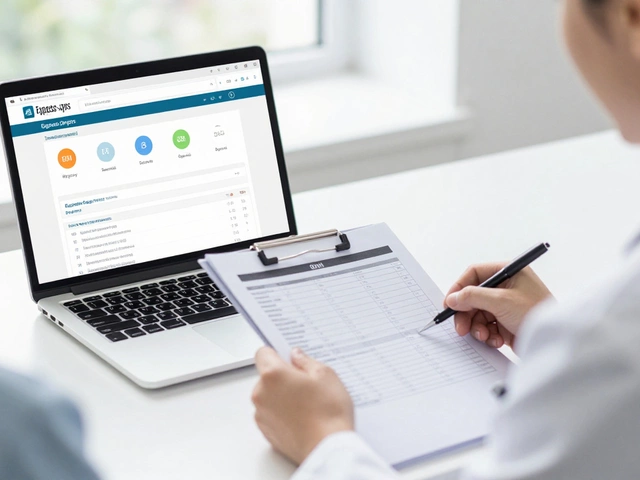
Medical Tourism Savings Calculator
Select a procedure to see average costs in the USA vs. India. We will calculate your total estimated expense for traveling to India, including flights and stay.
1. Choose Procedure
2. Travel Details
You might assume the top spot for medical tourism belongs to a tropical paradise like Thailand or a tech hub like Singapore. But if you look at the raw numbers-patient volume, procedure variety, and cost savings-the answer is surprisingly clear. India is currently the world's leading medical tourism destination by patient volume, attracting over half a million international patients annually. It’s not just about cheap surgeries; it’s about accessing world-class care that costs 60-90% less than in the US or UK, often with shorter wait times and English-speaking staff.
Why India Leads Global Patient Flows
Let’s be honest: healthcare in many Western countries is broken. In Canada, you might wait months for an MRI. In the US, a heart bypass can cost $100,000+. India flips this script. The country has built a massive infrastructure specifically designed to handle international patients. This isn't some fringe industry; it’s a cornerstone of the Indian economy, contributing billions to the GDP.
What makes India stand out isn't just price-it's capacity. While other destinations specialize in niche areas (like dental in Mexico or cosmetic surgery in Turkey), India offers a full spectrum of care. From complex cardiac surgeries and organ transplants to orthopedics and fertility treatments, the expertise is deep. You aren't going there for a quick fix; you're going for comprehensive treatment plans managed by specialists who perform these procedures daily, not monthly.
The Cost Breakdown: Real Numbers, Not Hype
People often ask, "Is it really that much cheaper?" Yes, but let’s look at the data so you don’t get burned by hidden fees. The savings come from lower labor costs, government subsidies on medical equipment, and competitive hospital pricing models.
| Procedure | USA Average | UK NHS/Private | India Average | Savings % |
|---|---|---|---|---|
| Coronary Bypass | $123,000 | $35,000 | $4,500 | ~96% |
| Dental Implant | $4,500 | $3,000 | $800 | ~82% |
| Hip Replacement | $40,000 | $15,000 | $6,000 | ~85% |
| In Vitro Fertilization (IVF) | $19,000 | $5,000 | $3,500 | ~81% |
These figures include typical hospital stays and standard post-op care. Keep in mind that flight costs and accommodation are extra, but even adding those, you’re often saving enough to fund a two-week vacation for your family alongside the treatment.

Quality Assurance: Accreditation Matters
A common fear is, "Is the quality as good as back home?" The short answer is yes, provided you choose the right facility. India has heavily invested in accreditation. Look for hospitals accredited by the Joint Commission International (JCI). This is the gold standard for global healthcare safety and quality. Major chains like Apollo Hospitals, Fortis Healthcare, and Medanta operate facilities that meet strict international protocols.
These hospitals employ doctors trained in the US, UK, or Europe. Many hold dual qualifications. When you walk into a JCI-accredited ward in Mumbai or Delhi, the hygiene standards, nursing ratios, and surgical protocols mirror what you’d expect in London or New York. The difference? You’re treated as a priority guest, not a number in a crowded queue.
Beyond Surgery: Wellness and Ayurveda
While high-tech surgery drives the volume, traditional medicine draws a different crowd. Ayurveda is an ancient Indian system of natural healing that focuses on prevention and holistic wellness rather than just symptom management. Kerala, known as the "Ayurveda capital," offers specialized resorts where you can undergo Panchakarma detox programs for weeks.
This segment appeals to people seeking relief from chronic conditions like arthritis, stress-related disorders, or digestive issues where conventional medicine hits a wall. Unlike a quick surgical trip, these are longer stays focused on lifestyle changes, diet, and herbal therapies. It’s a softer side of medical tourism that complements the high-intensity surgical options.
Practical Steps for Your Journey
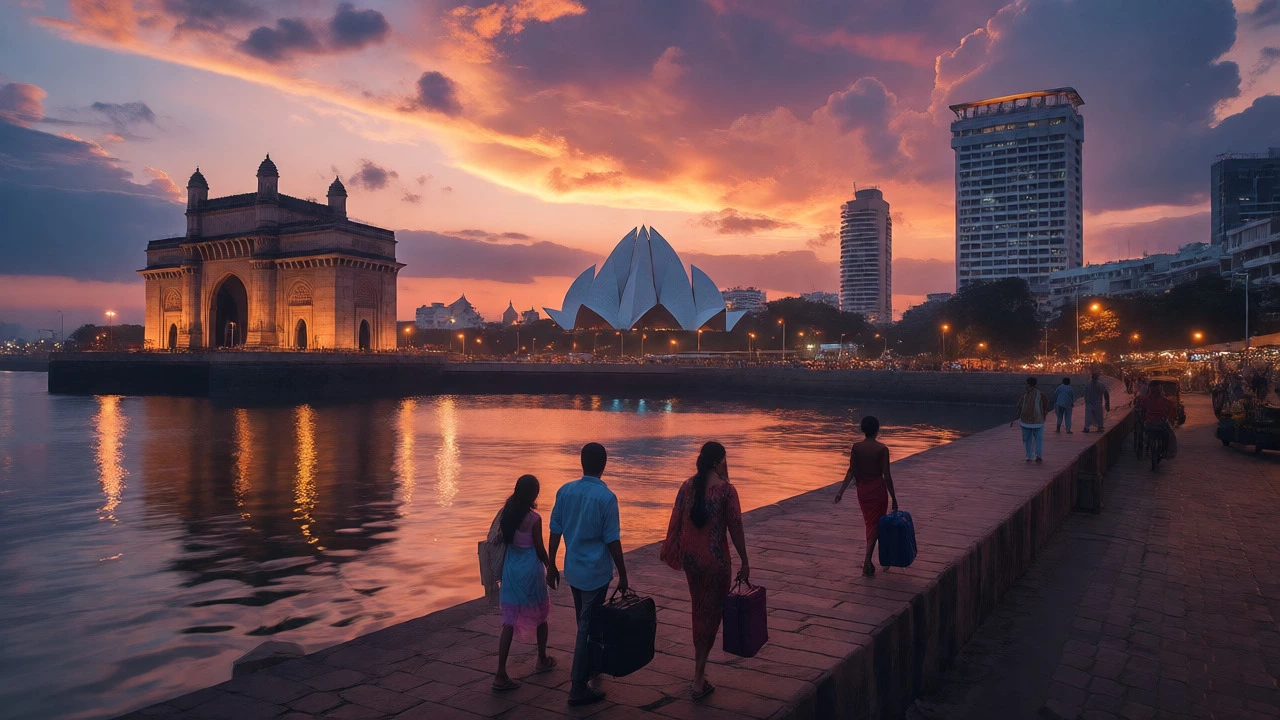
If you’re considering India, logistics matter. Here’s how to navigate the process without getting overwhelmed:
- Visa Type: Apply for a specific Medical Visa, not a tourist visa. This allows for a longer stay and covers up to two attendants. You’ll need a letter from the hospital confirming your appointment.
- Pre-Consultation: Most top hospitals offer free online consultations via video call. Send your reports beforehand. They will provide a fixed-cost package quote, which prevents surprise bills later.
- Language Barrier: Don’t worry. English is widely spoken in major cities and all international hospitals. Staff are accustomed to interacting with foreigners.
- Post-Op Care: Plan for a recovery buffer. Don’t fly home immediately after surgery. Use the savings to stay in a nearby hotel or serviced apartment for a week or two until your doctor clears you for travel.
Risks and How to Mitigate Them
No system is perfect. The main risks involve communication gaps regarding follow-up care once you return home, and potential complications if you rush the recovery timeline. To mitigate this, ensure your local doctor at home receives all digital records before you leave India. Establish a clear line of contact with your surgeon’s office for post-travel questions. Also, buy travel insurance that explicitly covers medical evacuation and pre-existing conditions related to your treatment.
Choosing the #1 destination isn't just about following the crowd. It’s about making a calculated decision to prioritize your health without bankrupting yourself. India offers the scale, the skill, and the savings to make that possible.
Is India safe for solo female travelers seeking medical care?
Yes, major medical hubs like Mumbai, Delhi, and Chennai have robust infrastructure for solo travelers. Hospitals often arrange vetted drivers and secure accommodations. However, standard travel precautions apply, such as avoiding isolated areas at night.
Do I need a translator if I speak English?
No. English is the primary language used in corporate hospitals and among medical professionals in India. All documentation, prescriptions, and consultations are conducted in English.
How long does a Medical Visa take to process?
Processing times vary by country but typically range from 3 to 7 business days. Expedited services are available in many regions. You must submit a confirmed appointment letter from a recognized hospital.
Are medications easily available in India?
Yes, India is a global pharmaceutical hub. Generic medications are widely available and significantly cheaper than brand-name drugs in the West. Pharmacists are knowledgeable and can help with substitutions if needed.
Can I bring my family along?
Absolutely. The Medical Visa allows two attendants to accompany you. Many patients use this opportunity to combine treatment with sightseeing, turning a stressful medical event into a manageable family trip.