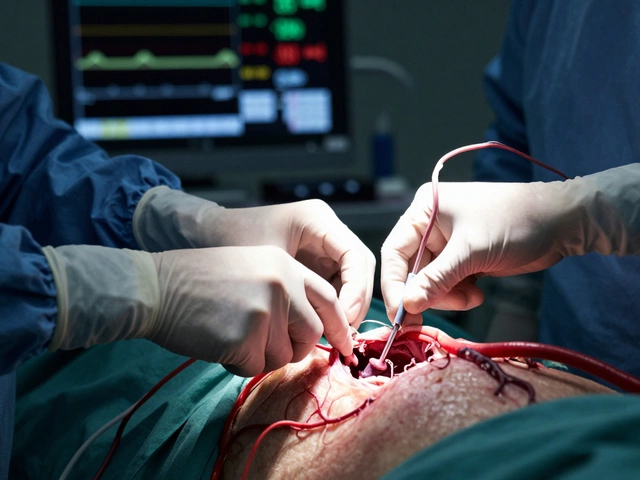
Gabapentin Side Effect Risk Estimator
Risk Assessment Results
Enter your details to see results.
Enter your details to see results.
Combining Gabapentin with CNS depressants significantly increases the risk of respiratory depression. Consult your doctor immediately regarding dosage adjustments.
Recommended Strategies
Picture this: you start taking a new medication for nerve pain or seizures, hoping for relief. Instead, within hours, your brain feels like it’s wrapped in cotton wool. You’re stumbling through conversations, falling asleep at your desk, and wondering if the cure is worse than the condition. This isn’t a rare horror story; it’s the most common reality for people starting Gabapentin, a medication primarily used to treat seizures and nerve pain caused by shingles. While many patients tolerate it well, one side effect stands out as the biggest complaint and the primary reason people stop taking the drug.
The Number One Culprit: Drowsiness and Sedation
If you ask neurologists or pharmacists what the single biggest side effect of gabapentin is, they will almost unanimously point to sedation (extreme drowsiness). It is not just feeling a little tired after a long day. It is a heavy, dragging fatigue that can make driving dangerous and working nearly impossible. Clinical data from major trials indicates that up to 10% to 15% of patients experience significant somnolence when starting the medication.
Why does this happen? Gabapentin works by binding to specific subunits of voltage-gated calcium channels in the central nervous system. In simple terms, it calms down overactive nerves. But because these channels are widespread in the brain, the drug doesn't just calm the painful nerves; it dampens general brain activity. For some, this means peace from pain. For others, it means their entire operating system slows down.
This sedative effect is often dose-dependent. If you jump straight into a high dose, say 900 mg or more per day, the crash is likely to be severe. That is why doctors emphasize titration-starting low and going slow. However, even at lower doses, individual biology plays a huge role. Some metabolize the drug quickly; others feel its effects for much longer.
The Silent Companion: Dizziness and Ataxia
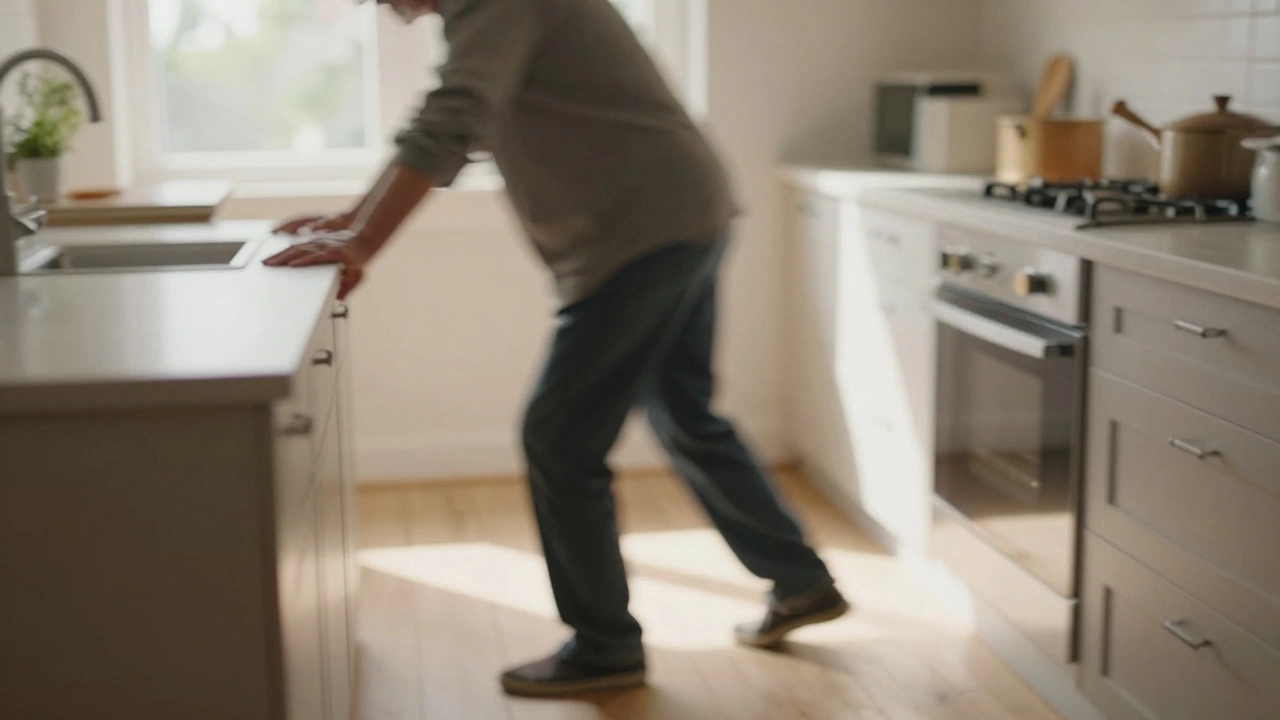
Closely tied to drowsiness is another major physical side effect: dizziness and ataxia (loss of coordination). If you have ever felt like the room was spinning slightly while walking across the kitchen, you know the risk here. This is particularly dangerous for older adults. Falls are a leading cause of injury in seniors, and adding a medication that affects balance increases that risk significantly.
Ataxia manifests as unsteady gait, slurred speech, or trouble with fine motor skills like buttoning a shirt. Unlike drowsiness, which you might sleep off, ataxia requires active caution. Patients are advised to avoid climbing ladders, operating heavy machinery, or even walking on uneven surfaces until they know how their body reacts. This combination of sedation and dizziness creates a "double whammy" that impacts daily functionality more than either symptom alone.
| Symptom | Frequency | Severity | Action Required |
|---|---|---|---|
| Drowsiness/Sedation | Very Common (10-15%) | Mild to Moderate | Adjust timing of dose; avoid driving initially |
| Dizziness/Ataxia | Common (8-10%) | Moderate | Use fall precautions; rise slowly from sitting |
| Peripheral Edema | Common (5-7%) | Mild | Monitor weight; elevate legs |
| Suicidal Thoughts | Rare (<1%) | Severe | Seek immediate medical help |
| Respiratory Depression | Rare (with opioids) | Life-Threatening | Emergency care required |
Swelling and Weight Gain: The Physical Toll
Beyond the brain, gabapentin affects the body physically. Many patients report peripheral edema, or swelling in the hands, ankles, and feet. This happens because the medication can cause fluid retention. For most, it’s a minor annoyance-a tight ring or stiff shoes. But for individuals with heart failure or kidney issues, this extra fluid load can strain the cardiovascular system.
Weight gain is another frequent concern. While gabapentin is not a direct appetite stimulant like some antipsychotics, the sedation it causes reduces physical activity levels. Less movement combined with potential changes in metabolism leads to gradual weight increase. Studies suggest an average gain of 2 to 5 pounds in the first few months, though some patients see more. Monitoring your weight weekly when starting the drug can help catch this trend early.
The Mental Health Warning: Mood Changes
We cannot discuss gabapentin without addressing its impact on mental health. The FDA issued a black box warning-the strongest type-for all antiepileptic drugs, including gabapentin, regarding an increased risk of suicidal thoughts and behaviors. While the absolute risk is small (affecting fewer than 1 in 500 patients), it is real.
Patients and families need to watch for sudden shifts in mood, agitation, depression, or unusual anxiety. This is not just about sadness; it can manifest as irritability or aggressive behavior. If you or a loved one experiences these changes, do not wait for the next scheduled appointment. Contact a healthcare provider immediately. Mental health monitoring is a critical part of gabapentin therapy, especially during the first few weeks of treatment.
The Danger of Mixing: Respiratory Depression
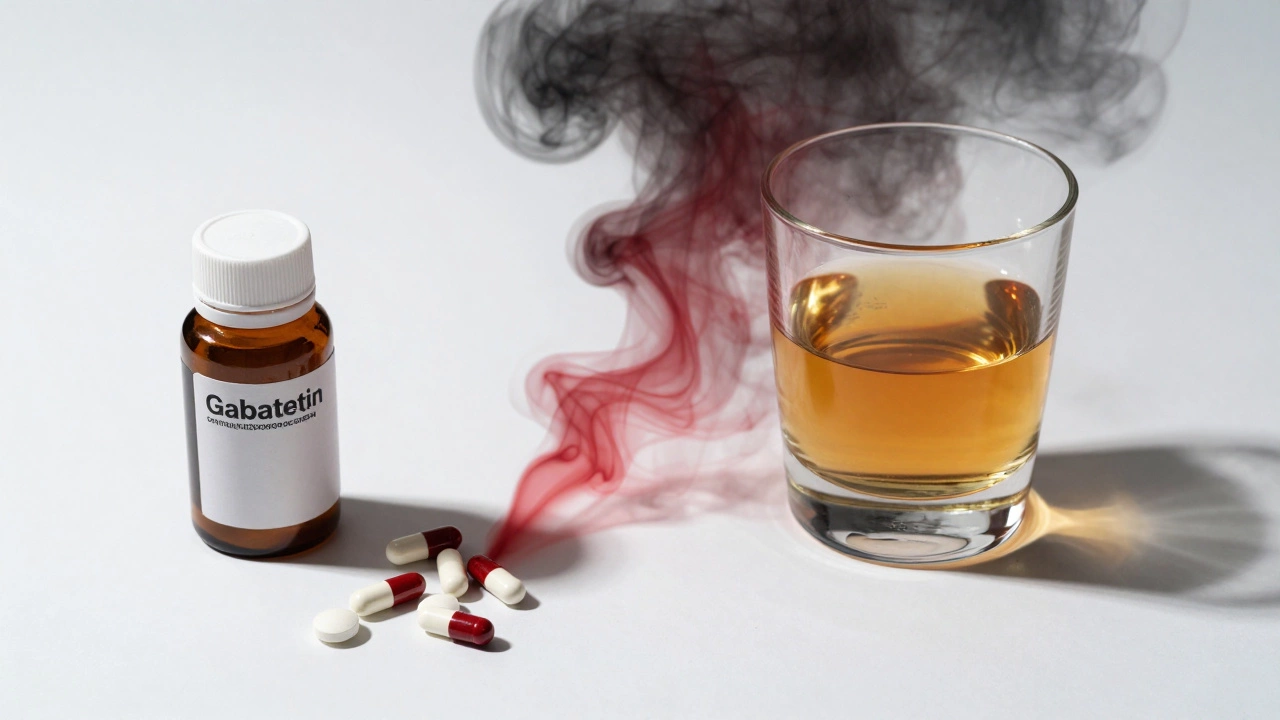
Here is where things get serious. Gabapentin itself rarely causes breathing problems in healthy individuals. However, when combined with other central nervous system depressants-particularly opioids (like oxycodone or hydrocodone) or alcohol-the risk skyrockets. This combination can lead to respiratory depression, where breathing becomes dangerously slow or shallow.
In recent years, public health agencies have highlighted this interaction due to rising overdose rates. If you are prescribed gabapentin alongside painkillers, your doctor should carefully monitor your dosage. Never mix gabapentin with alcohol or benzodiazepines without explicit medical guidance. The synergy between these substances amplifies their sedative effects, potentially leading to coma or death.
Withdrawal: The Hidden Risk of Stopping Abruptly
Many people think side effects only happen when you take the drug. But stopping gabapentin suddenly can trigger its own set of severe symptoms. Because the brain adapts to the presence of the medication, abrupt cessation can cause withdrawal syndrome. Symptoms include insomnia, anxiety, nausea, sweating, and in severe cases, seizures-even in people who did not have seizures before.
This is why tapering is non-negotiable. Doctors typically reduce the dose gradually over weeks or months. Trying to quit "cold turkey" is dangerous and counterproductive. If you plan to stop taking gabapentin, work with your provider to create a safe tapering schedule. Your brain needs time to readjust its chemical balance.
How to Minimize Side Effects: Practical Strategies
You don’t have to accept side effects as inevitable. Several strategies can help manage them:
- Start Low, Go Slow: Begin with the lowest effective dose. Increase only as tolerated.
- Time Your Dose: Take the largest portion of your daily dose at night. This leverages the sedative effect to help you sleep rather than disrupt your day.
- Stay Hydrated: Drink plenty of water to help mitigate peripheral edema and support kidney function.
- Avoid Alcohol: Even moderate drinking can intensify drowsiness and dizziness.
- Monitor Mood: Keep a journal of your emotional state. Share any concerns with your doctor promptly.
Remember, everyone’s body is different. What causes severe drowsiness in one person might have minimal effect on another. Patience and communication with your healthcare team are key to finding the right balance between pain relief and quality of life.
Is drowsiness from gabapentin permanent?
For most people, no. The initial drowsiness often improves within the first week or two as your body adjusts to the medication. If it persists beyond a month, talk to your doctor about adjusting the dose or switching medications.
Can gabapentin cause memory loss?
Some patients report mild cognitive fog or difficulty concentrating, which can feel like memory issues. True long-term memory loss is rare but has been reported in case studies. If you notice significant memory changes, consult your healthcare provider.
Does gabapentin interact with blood pressure medication?
Gabapentin can sometimes lower blood pressure further, especially when standing up quickly (orthostatic hypotension). If you take blood pressure meds, monitor for dizziness upon standing and inform your doctor.
Is it safe to drive while taking gabapentin?
Not initially. Due to risks of drowsiness and dizziness, you should avoid driving until you know how the medication affects you. Once stable and if side effects are minimal, driving may be safe, but always follow local laws and medical advice.
Can I take gabapentin with food?
Yes, gabapentin can be taken with or without food. Taking it with food may help reduce stomach upset, which is another possible side effect, though less common than drowsiness.