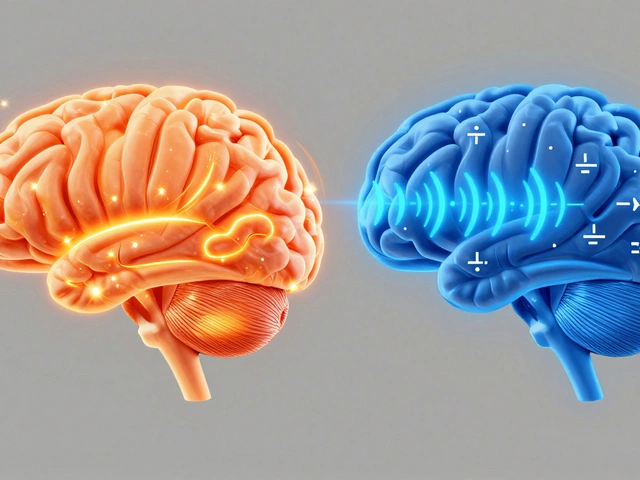
Mental Health: Understanding Therapy, ADHD, and What Really Helps
When you think about mental health, your emotional, psychological, and social well-being that affects how you think, feel, and handle daily life. Also known as psychological well-being, it’s not just the absence of crisis—it’s how you cope with stress, connect with others, and make choices every day. In India, mental health is often ignored until it’s too late. People wait until they can’t sleep, can’t focus, or can’t get out of bed. But mental health isn’t a luxury. It’s the foundation of everything else—your job, your relationships, your peace.
Therapy, a structured conversation with a trained professional to understand and change how you think, feel, and behave. Also known as counseling, it’s not just for people in crisis. Many go just to talk—to unpack guilt, loneliness, or the quiet ache of feeling stuck. But therapy isn’t magic. It works best when you’re ready to show up, and when you pick the right kind. Some people find relief in CBT, a practical, time-limited therapy that helps reframe negative thought patterns. Others need something slower, like talk therapy or group support. And yes, therapy can be expensive—because of training costs, lack of insurance coverage, and limited access in small towns. But there are cheaper ways to start: support groups, community centers, even apps that guide you through breathing exercises or journaling.
ADHD, a neurodevelopmental condition marked by inattention, impulsivity, and hyperactivity that often lasts into adulthood. Also known as attention deficit disorder, it’s not just about being distracted. Untreated ADHD can wreck your finances, your job, your marriage. Adults with ADHD aren’t lazy—they’re overwhelmed by their own brains. They forget bills, miss deadlines, lose keys, and feel like they’re failing even when they’re trying hard. And yes, ADHD doesn’t magically disappear with age. It changes. The restlessness becomes internal anxiety. The forgetfulness turns into chronic shame. But it’s treatable. Therapy, structure, medication, and simple daily habits can make a huge difference—if you recognize the signs early.
What actually moves the needle for mental health?
Therapy helps. But so do other things—often more. Getting enough sleep. Moving your body. Eating real food. Talking to someone who doesn’t judge you. Writing down your thoughts. Sitting quietly for five minutes. These aren’t self-help buzzwords. They’re science-backed tools that rebuild your nervous system. One study showed people who walked 30 minutes a day improved their depression as much as those on medication. Another found that people in support groups recovered faster than those in weekly therapy alone. Mental health isn’t just about fixing what’s broken. It’s about building habits that make you feel human again.
You’ll find real stories here—not theory. Articles that cut through the noise: why therapy costs so much, what happens when ADHD goes untreated, whether too much therapy can hurt you, and what practices actually work better than sitting on a couch talking. No jargon. No fluff. Just clear, honest info that helps you decide what to do next.

How do I know I should go to therapy? Signs and guidance
Learn the clear signs that indicate it is time to seek professional help for your mental health. This guide explains symptoms, types of therapy, and steps to start treatment.

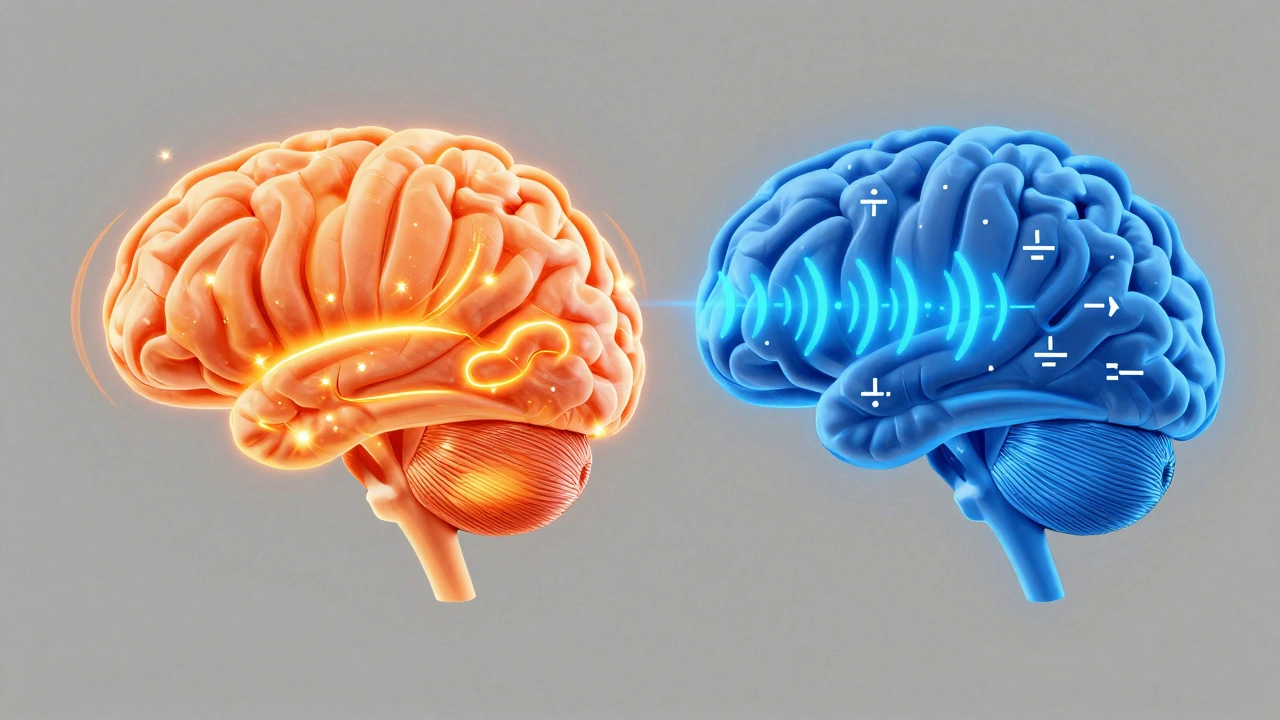
Is ADHD a Form of Autism? Clear Facts About the Connection
ADHD and autism are separate neurodevelopmental conditions that often occur together. Learn how they differ, why they’re confused, and what to do if you suspect both.

Why Does My Therapist Watch My Hands? The Hidden Signals in Body Language
Therapists watch your hands because they reveal emotions words can't hide. Fidgeting, clenching, or stillness can signal anxiety, trauma, or avoidance. Understanding these cues helps uncover deeper healing.

What Is the Strongest Form of Therapy for Mental Health?
The strongest form of therapy isn't one-size-fits-all-but CBT has the most evidence for treating anxiety, depression, and OCD. Learn how CBT, EMDR, and DBT compare and which one works best for your specific needs.

Do I Need Counseling or Therapy? A Clear Guide to Knowing When to Seek Help
Wondering if you need counseling or therapy? This guide breaks down the differences, signs you should seek help, how to find support in India, and how to start-even if you're unsure.

Does ADHD Worsen With Age? Facts & Insights
Explore whether ADHD intensifies with age, how symptoms shift, key influencing factors, and effective adult management strategies-all in plain language.

Does Mental Health Therapy Really Work? Evidence, Types, and How to Choose
A concise look at whether mental health therapy works, backed by research, comparison of major approaches, success factors, and practical steps to start therapy.

Beyond Therapy: Practices That Boost Mental Health More Than Traditional Sessions
Explore eight evidence‑based practices-mindfulness, exercise, sleep, nutrition, social support, creativity, and medication-that can boost mental health faster and often stronger than traditional therapy.
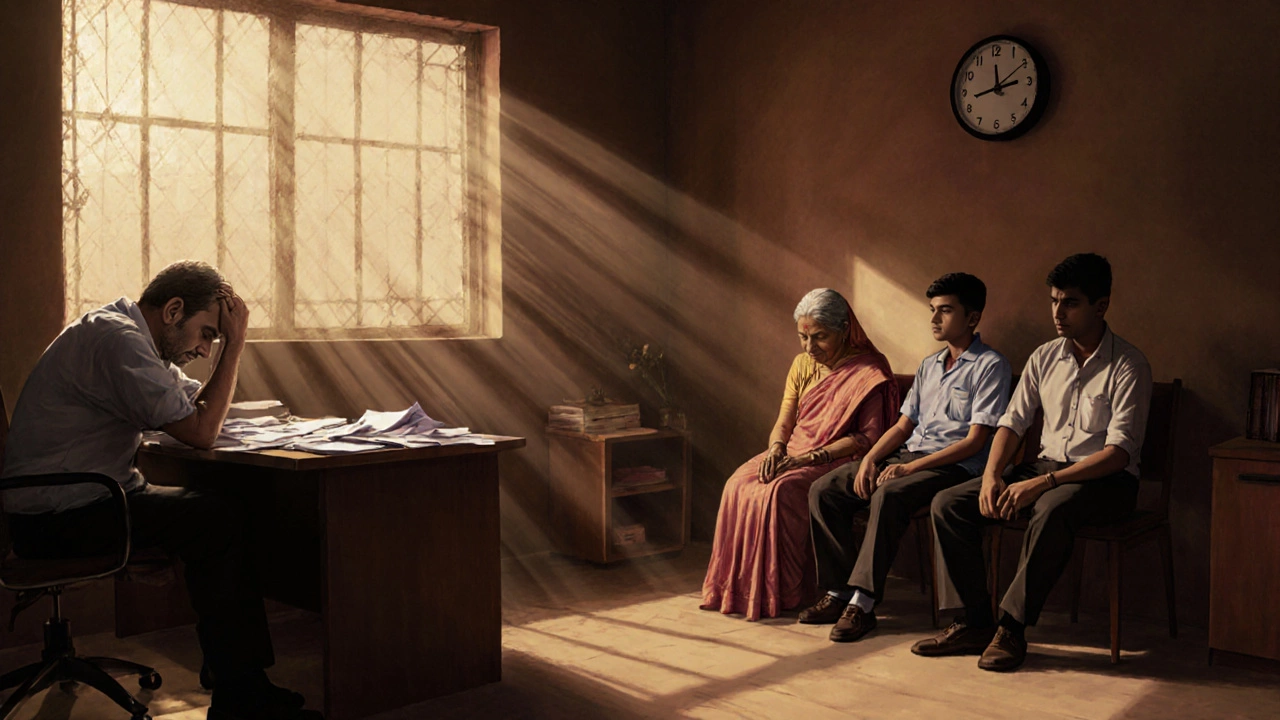
Is Too Much Therapy Harmful? Risks of Over‑doing Counseling
Explore how excessive therapy can backfire, recognize warning signs, and learn practical ways to keep counseling effective and balanced.

Can You Go to Therapy Just to Talk? Therapist Insights and What to Expect
Wondering if you can see a therapist just to talk? Learn how therapy works, why people go without a crisis, and what you can expect from those conversations.

Untreated ADHD: What Really Happens If You Ignore It?
Untreated ADHD doesn't just make you more forgetful or distractible. It can mess with your relationships, work, finances, and even your self-esteem. This article breaks down what can go wrong if ADHD is ignored and what signs you should look out for. You'll also learn about practical tips to cope and why therapy helps. Don't wait for things to spiral — knowing what happens next can be a game-changer.

Top 10 Most Disabling Mental Illnesses: What You Need to Know
Discover the top 10 most disabling mental illnesses that impact millions worldwide. Understand their symptoms, challenges, and debilitating effects on daily life. Learn practical tips for coping and managing these conditions. Stay informed and equipped to support yourself or others facing these struggles.
Recent Posts

When Should We Sleep According to Ayurveda? The Right Time for Deep Rest
December 23, 2025
Cancer with the Lowest Survival Rate
April 7, 2025